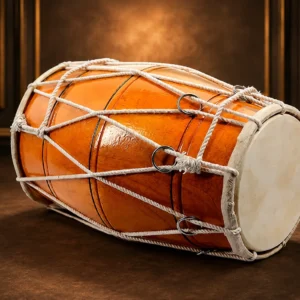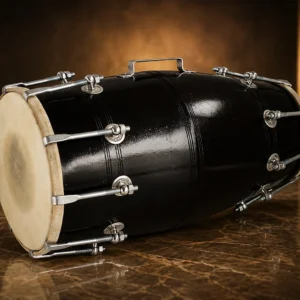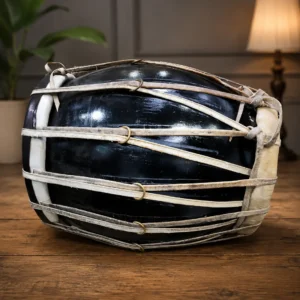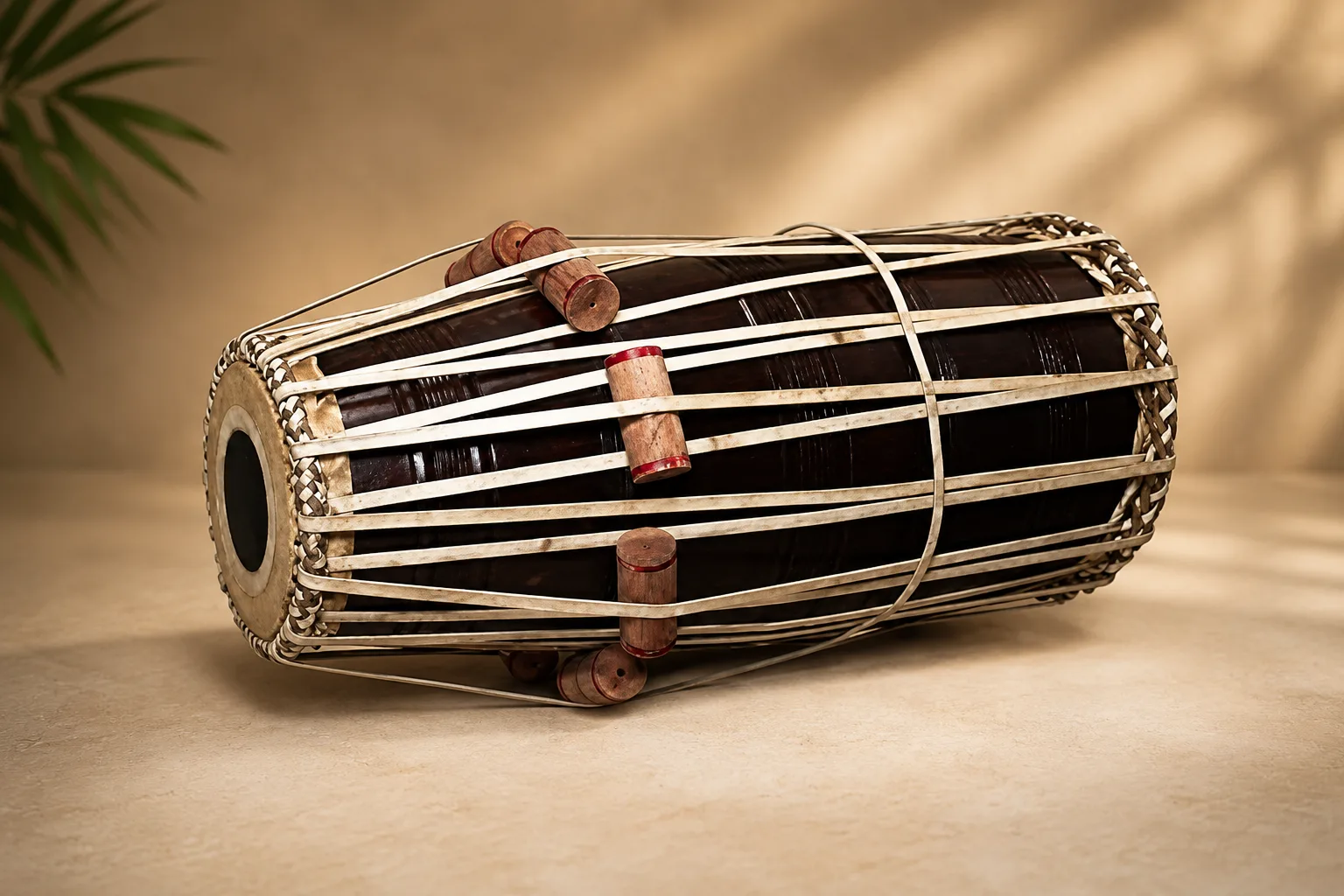
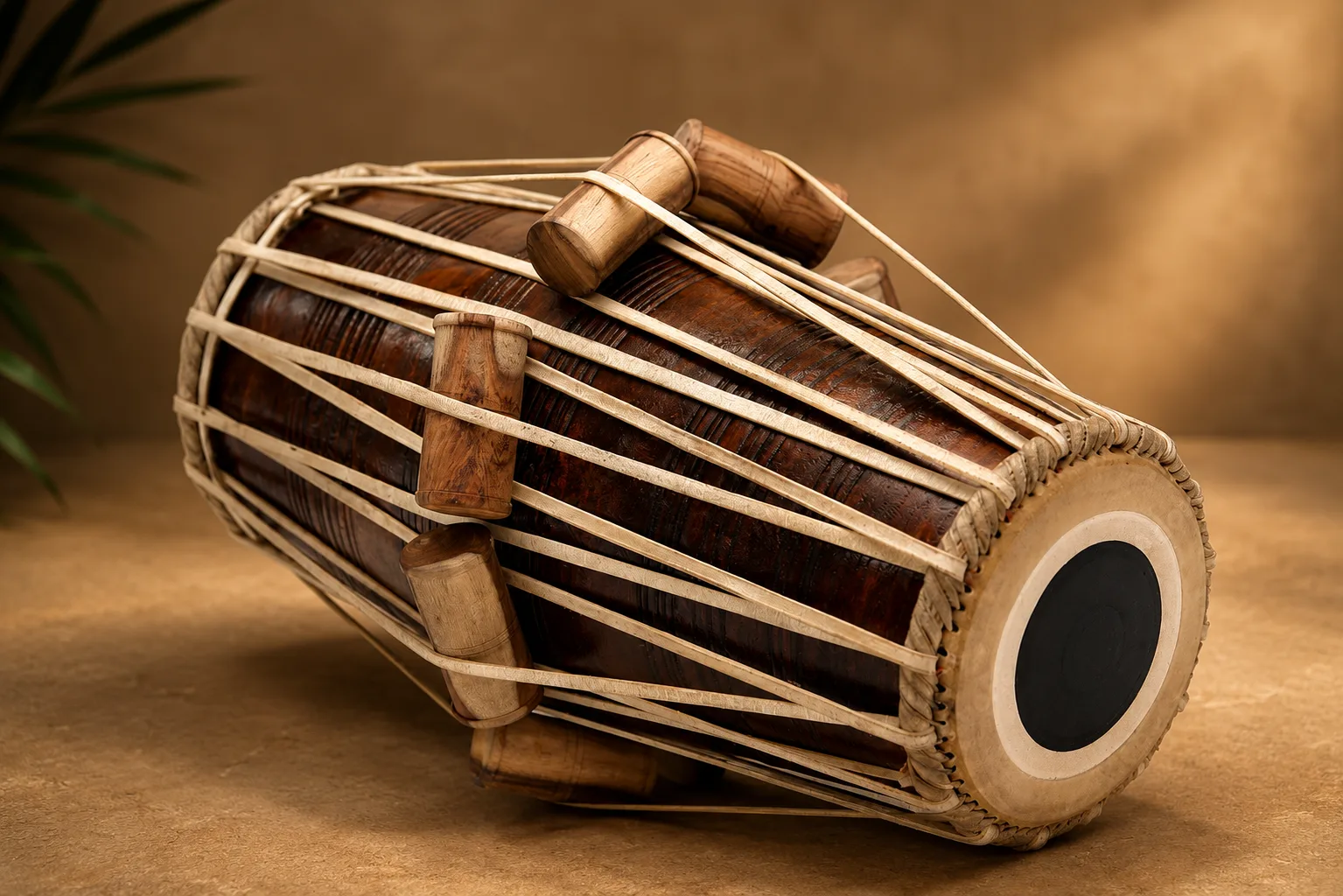
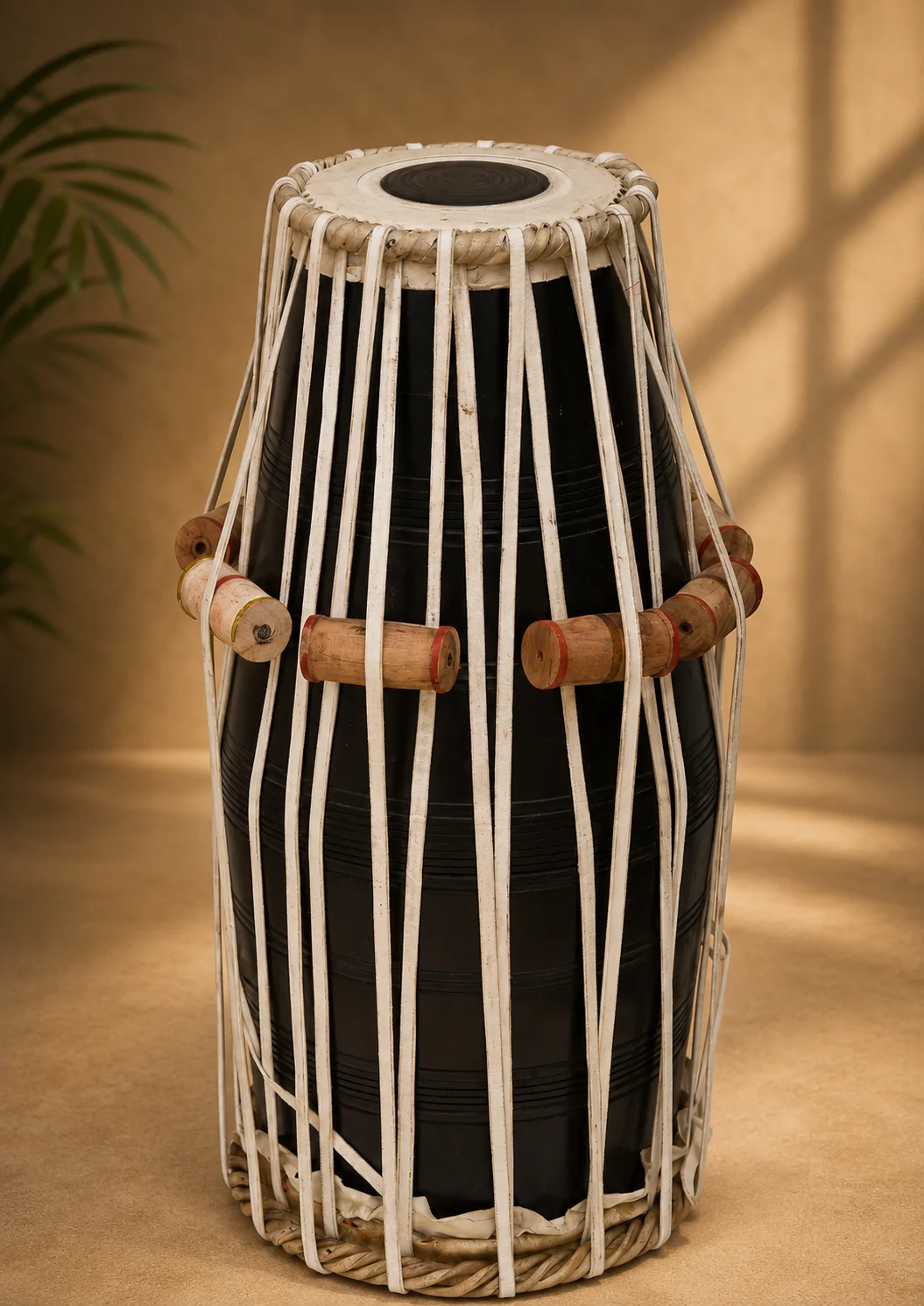
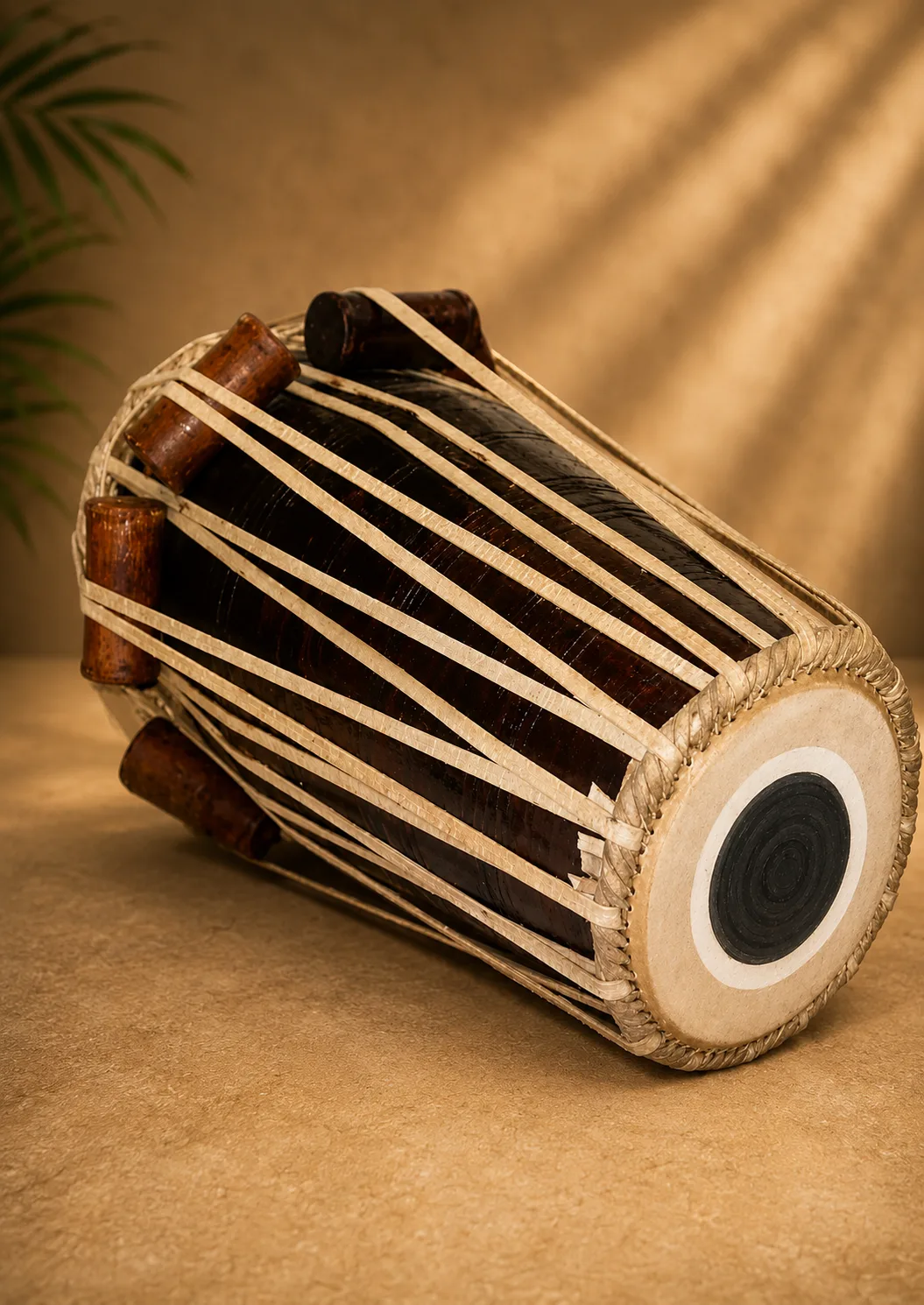
Pakhwaj Features:
Nice sound & quality, made of wood. Shipping Free within India.
Delivery Time: 12-15 Working Days after Successful Payment.
Warranty: 1 Year Manufacturing Warranty
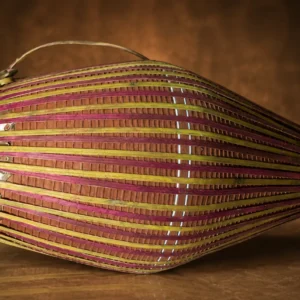
In The Box: Pakhwaj, Bag
For More information SMS 8300 Name Email Country and Send to +919830066661
N.B: All prices are inclusive of Shipping, Packing, Tax and Insurance (within India). No hidden costs.
International Customers (shipping globally): Please switch the currency to US$, as the product will be Upgraded for International Customers. International Freight and International Insurance will be added extra.
Please read our Terms & Conditions, Privacy Policy and Shipping Policy.
History (Wikipedia):
From where we get Pakhawaj- Small history below:
Our knowledge about the instrument is from Wikipedia. As per Wikipedia, we shared this small history to let our customers know about the history. Firstly, the pakhavaj is a barrel-shaped, two-headed drum. It originating from the Indian subcontinent, as well as the kendang of Maritime Southeast Asia and other Indian double-headed drums. In fact, its older forms used clay. Moreover, musicians most commonly use the pakhawaj as a percussion instrument in the dhrupad style of Indian classical music. They also use it less frequently to accompany various other forms of music and dance, such as Kathak, Odissi, and, furthermore, Marathi performances. The pakhawaj produces a low, mellow tone that sounds rich in harmonics. Artisans make its sides from animal skin, often goat skin.
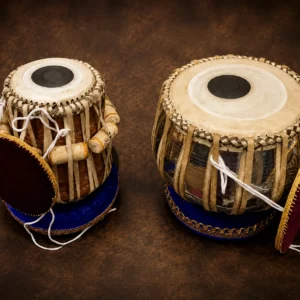
Specifically, a right-handed person places the larger bass-skin on the left side and the treble skin on the right. Furthermore, the bass face tends to be smeared with some fresh wheat dough, which acts as the kiran and gives a vivid bass sound to the pakhavaj. In comparison, the tuning of the pakhavaj is similar to that of the tabla – with the wooden wedges placed under the tautening straps. Due to the varied thickness of the skin that covers the treble face, the treble face can produce at least two tones that are a semitone apart.
For example, if you tune the centre stroke (the bol दिन din) to produce the note C, striking closer to the edge (using the bol ता ta, for example) can produce the note C#. You can fine-tune the pitch using the woven outer ring (गजरा – gajra), which extends the skin that forms the playing surface. This provides a basic history of the instrument.