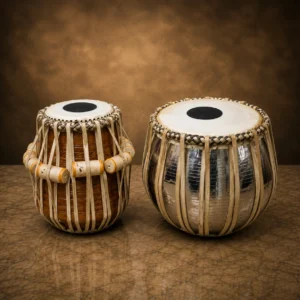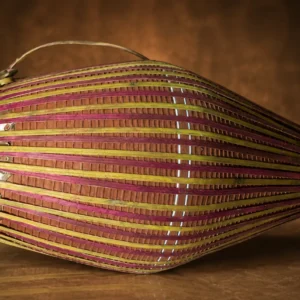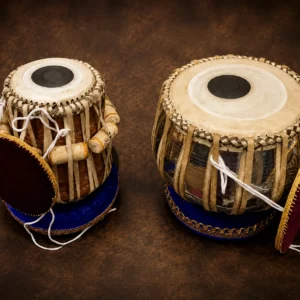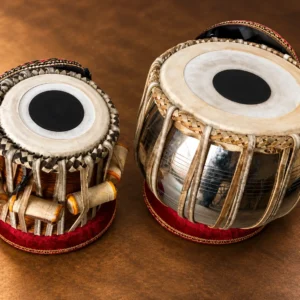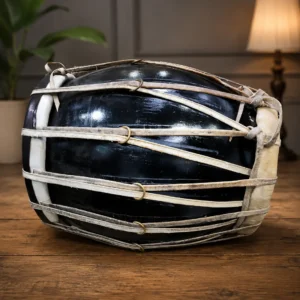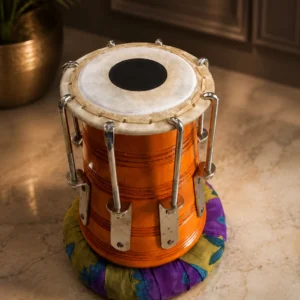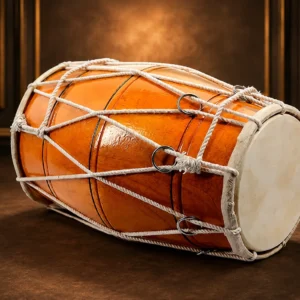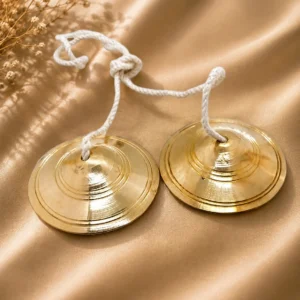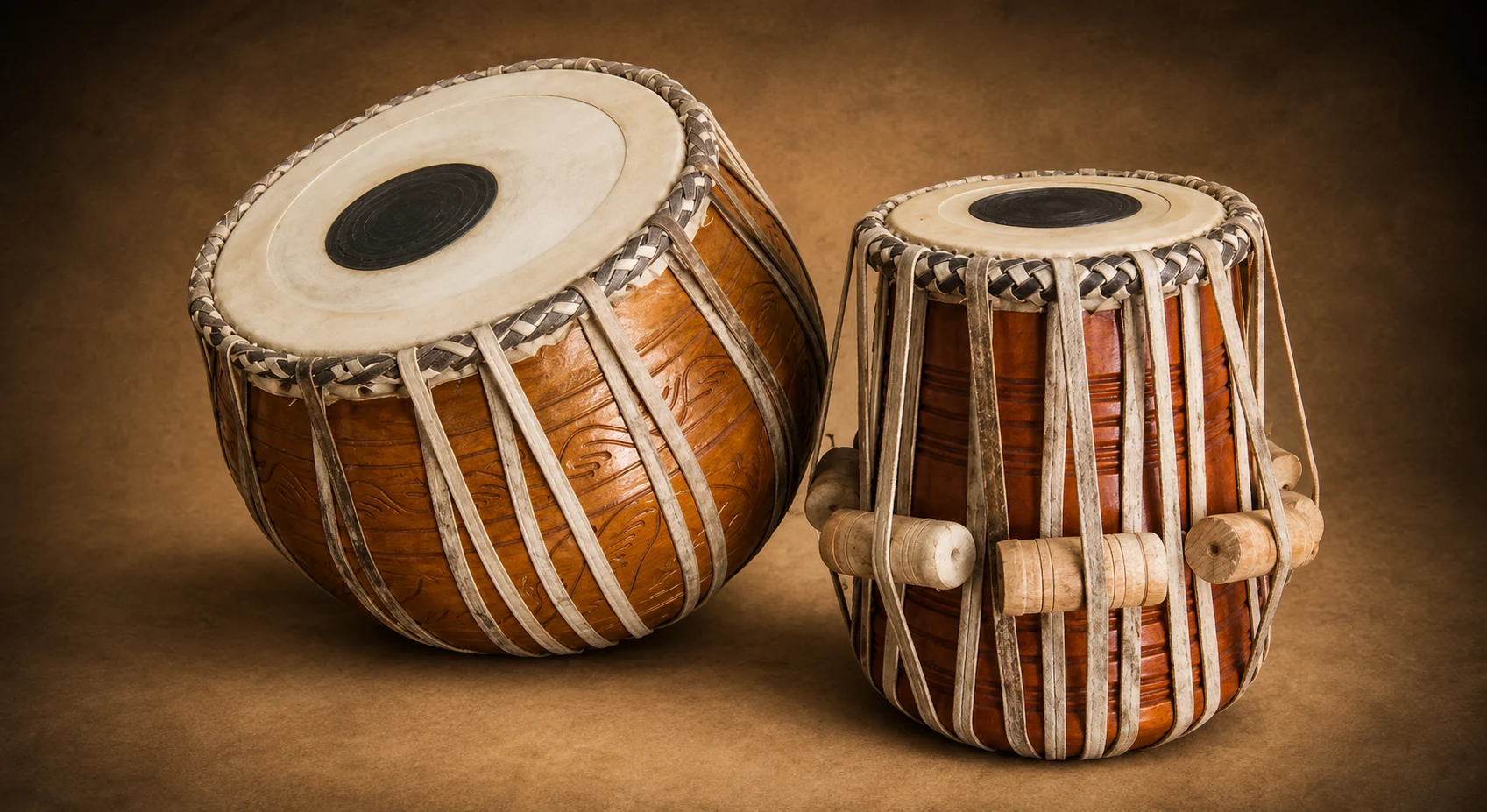
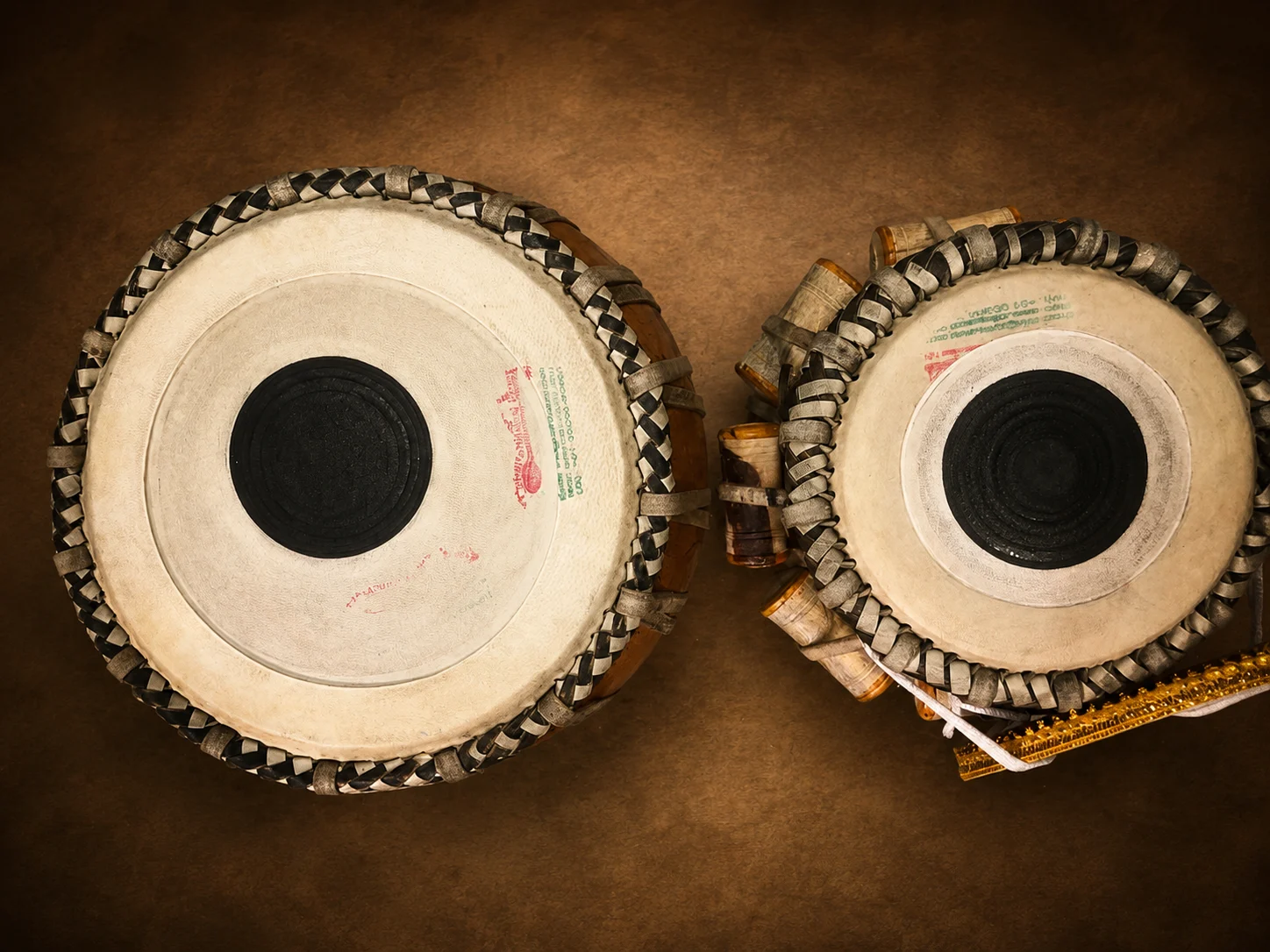
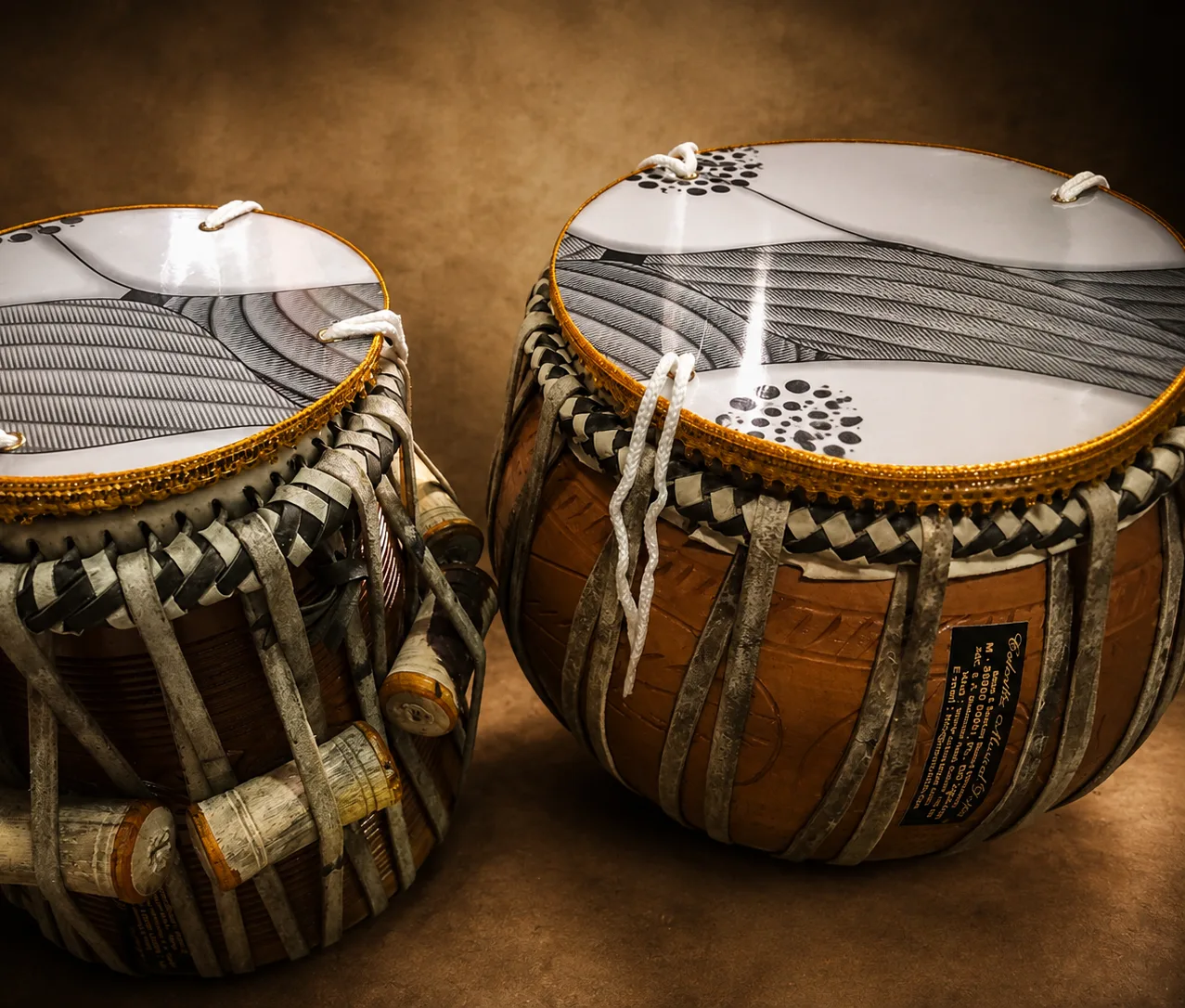
Clay Tabla Features:
Nice sound & quality, made of clay. Shipping Free within India.
Delivery Time: 7-10 Working Days after Successful Payment.
Warranty: 1 Year Manufacturing Warranty
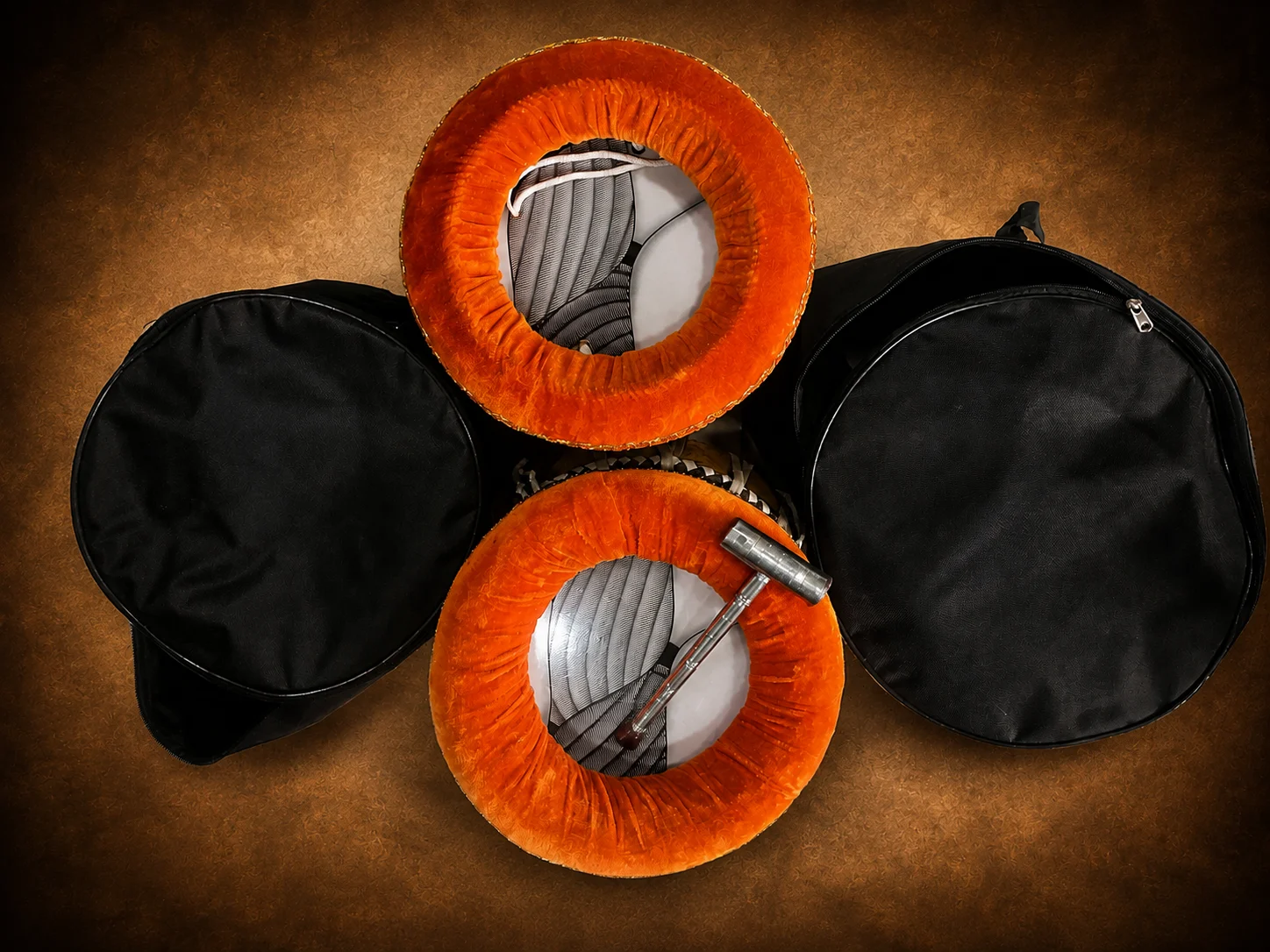
In The Box: Clay Tabla, Hammer, Bire, Top Cover, Bag
For More information SMS 4000 Name Email Country and Send to +919830066661
N.B: All prices are inclusive of Shipping, Packing, Tax and Insurance (within India). No hidden costs.
International Customers (shipping globally): Please switch the currency to US$, as the product will be Upgraded for International Customers. International Freight and International Insurance will be added extra.
Please read our Terms & Conditions, Privacy Policy and Shipping Policy.
History (Wikipedia):
From where we get Clay Tabla- Small history below:
Our knowledge about the CLay Tabla is from Wikipedia. As per Wikipedia, we shared this small history to let our customers know about the Tabla history. The Vedic era texts mention drums and talas. Moreover, musicians in the pre-5th century Indian subcontinent used a percussion instrument with two or three small drums, held with strings, called Pushkara (also spelled Pushkala). In addition, they played alongside other drums such as the Mridang. However, they did not refer to these as tabla at that time. For example, the pre-5th century paintings in the Ajanta Caves depict a group of musicians playing small tabla-like upright seated drums, a kettle-shaped mridang drum, and cymbals. Similarly, artwork featuring seated musicians playing drums, carved in stone, can be found in the Ellora Caves and other locations.
Tibetan and Chinese memoirs written by Buddhist monks who visited the Indian subcontinent in the 1st millennium CE mention, notably, a type of small Indian drum, along with many other musical instruments. Furthermore, in Tibetan literature, the pushkala are called rdzogs pa (pronounced dzokpa). In addition, many ancient texts on Jainism and Buddhism, such as the Samavayasutra, Lalitavistara, and Sutralamkara, also reference the pushkara drums.
According to the classifications of musical instruments defined in the Natyashastra, the text classifies the tabla specifically in the Avanadha Vadya category of rhythm instruments. Moreover, artisans create these instruments by capping an empty vessel with a stretched skin. This provides a basic history of the Clay Tabla.