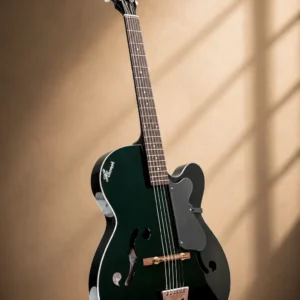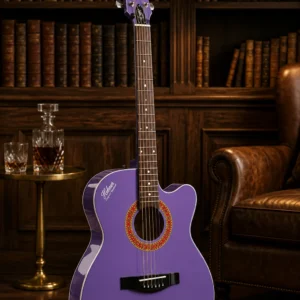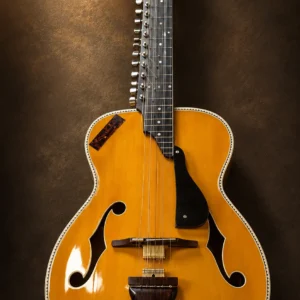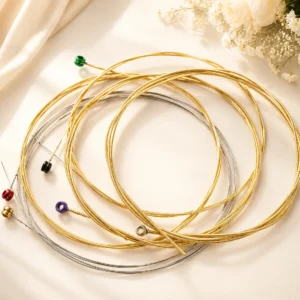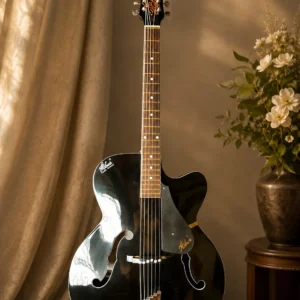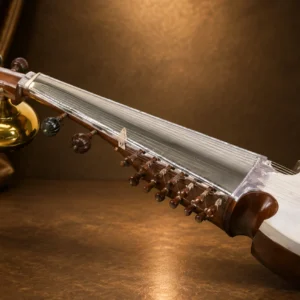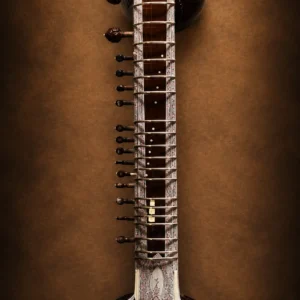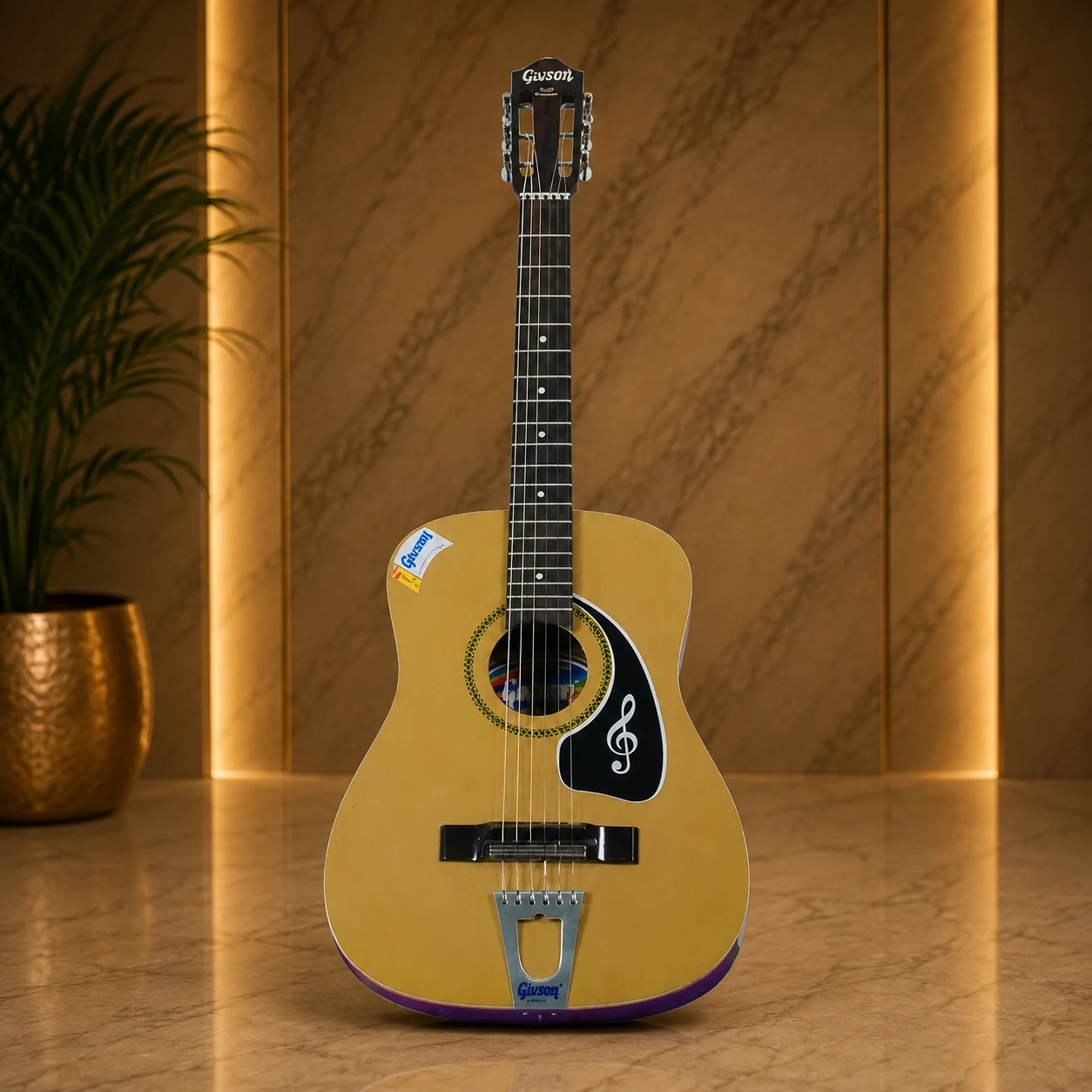
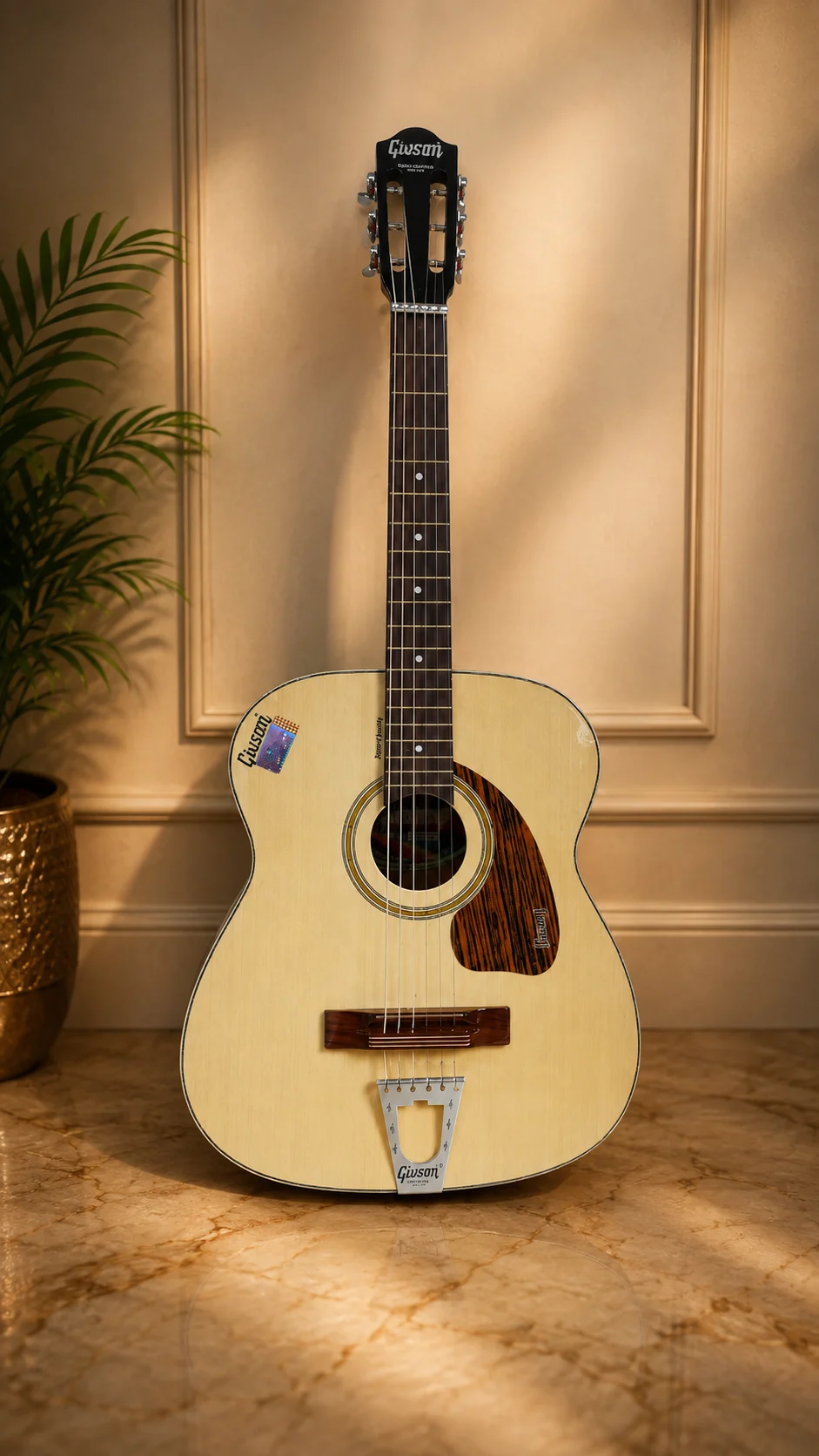
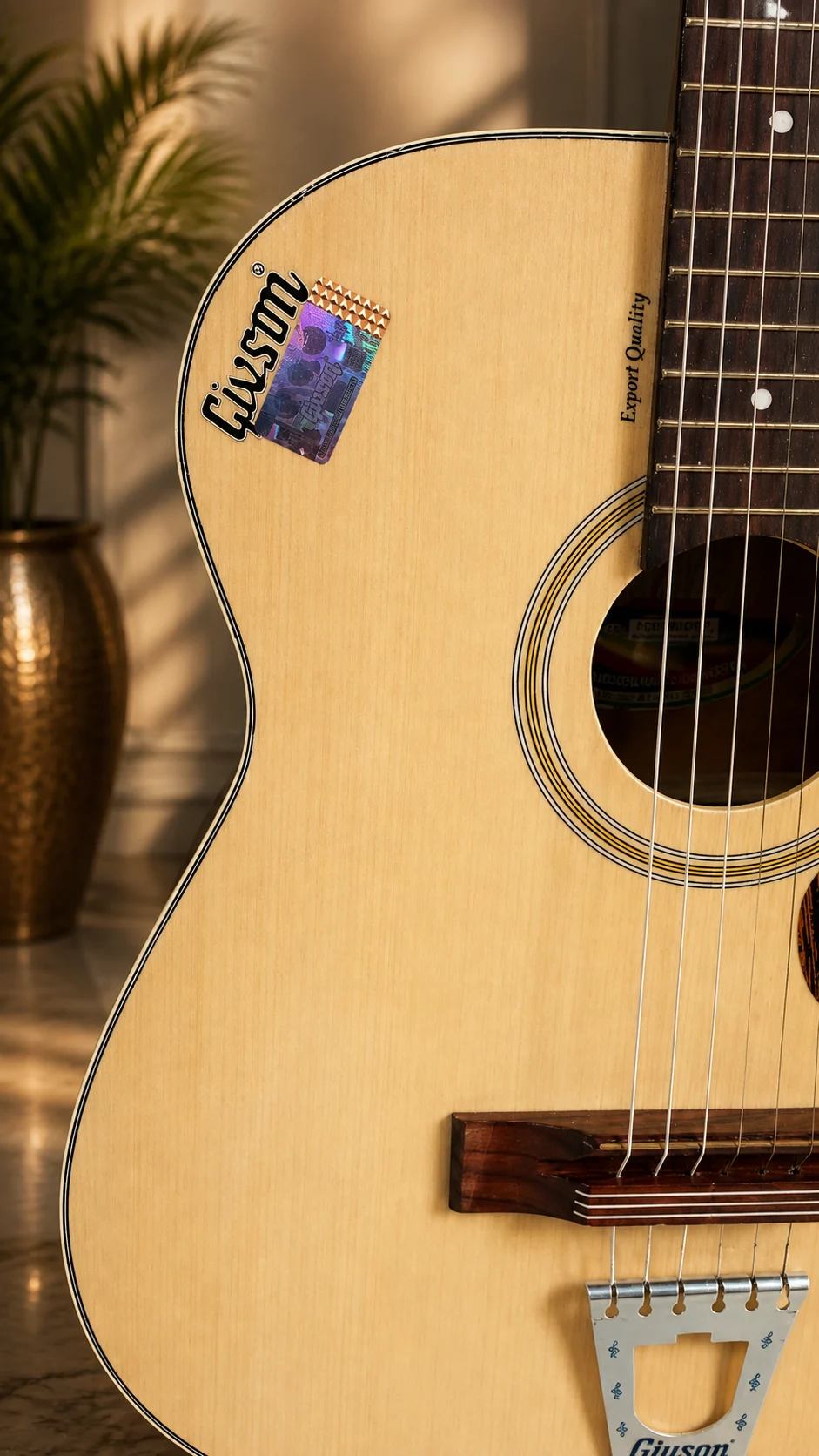
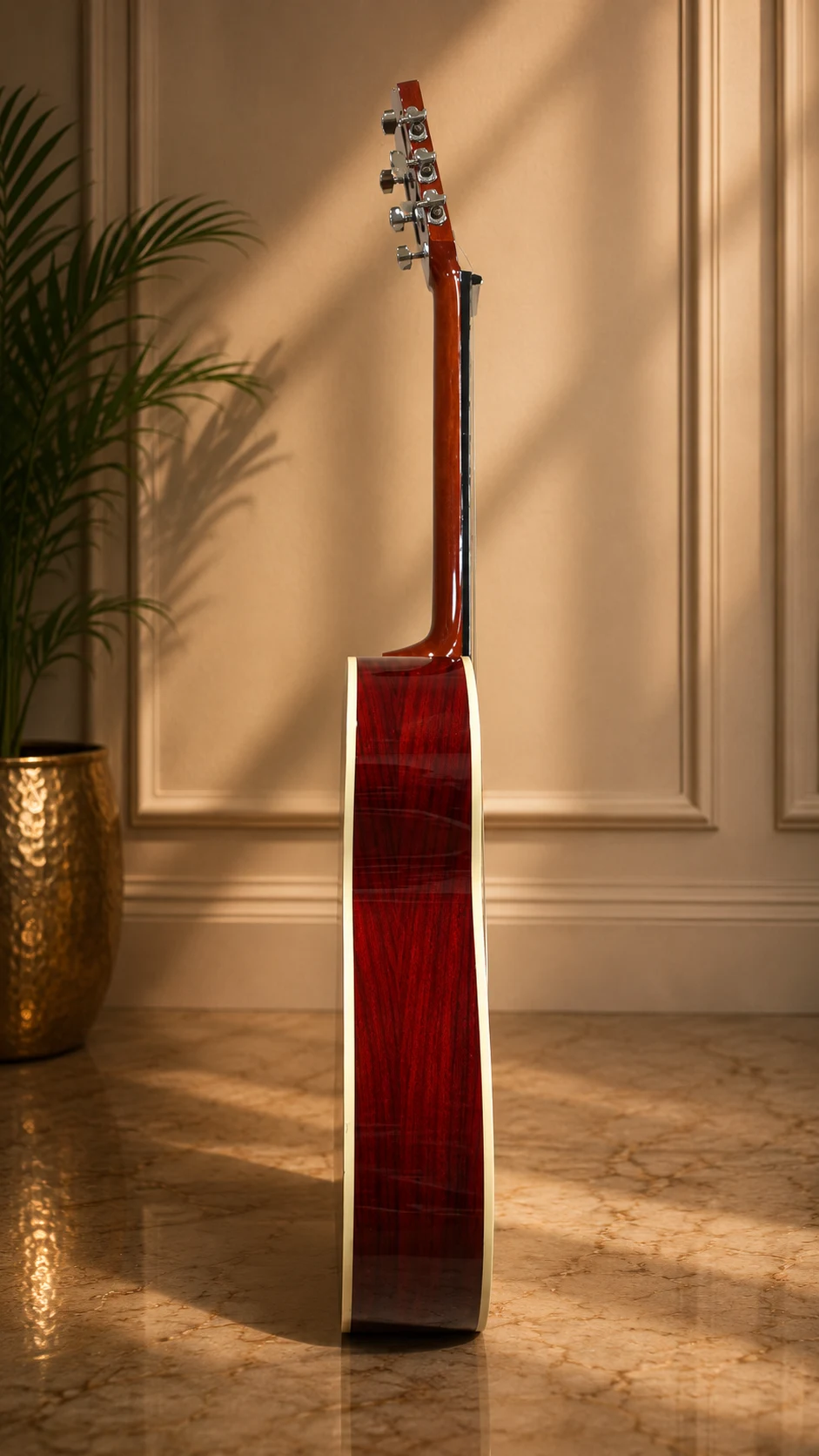
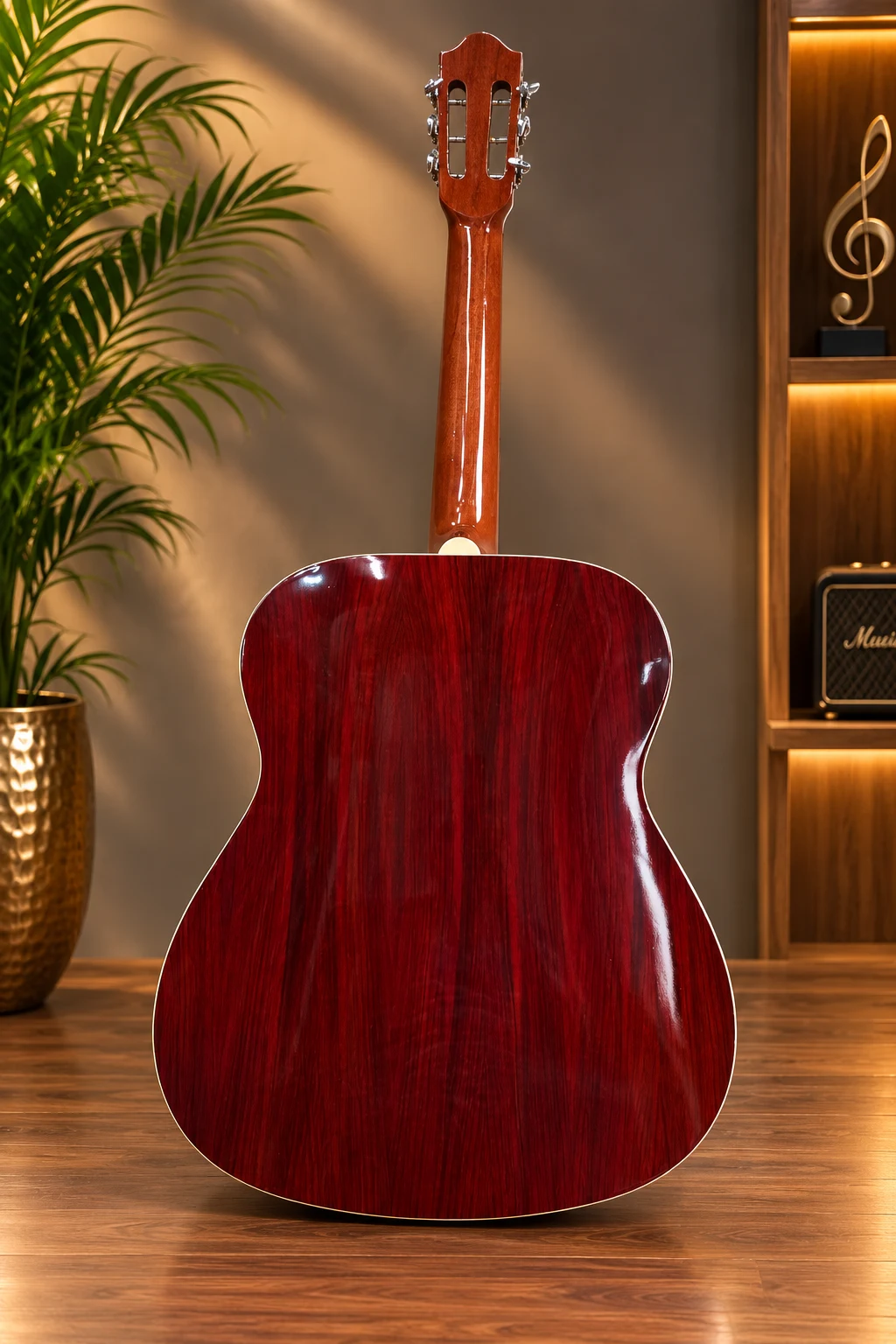
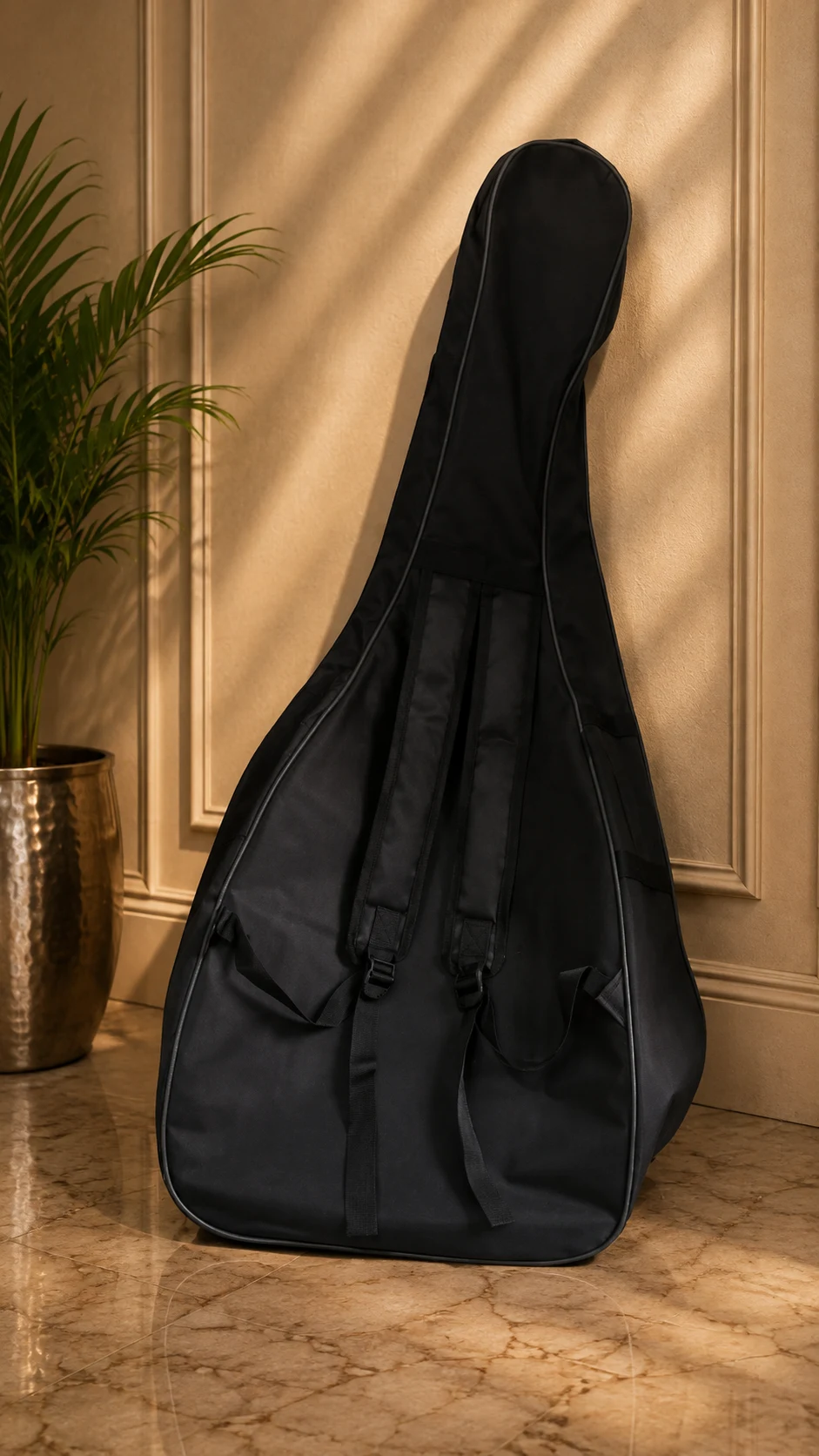
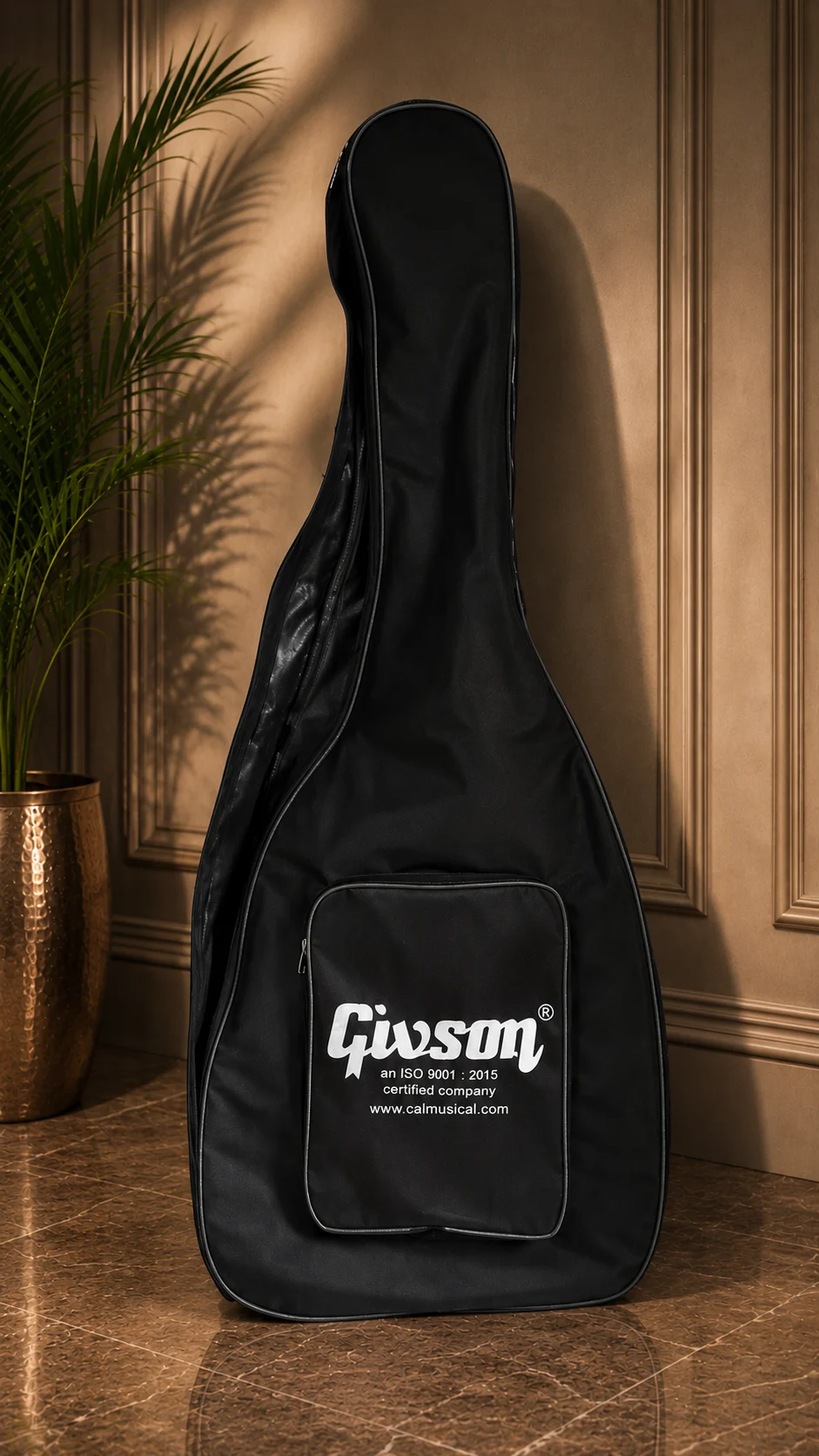
Guitar (Hawaiian)- Givson Features:
Fully hard in tune. Decorated polish grains in body. Shipping Free within India.
Delivery Time: 7-10 Working Days after Successful Payment.
Warranty: 1 Year Manufacturing Warranty
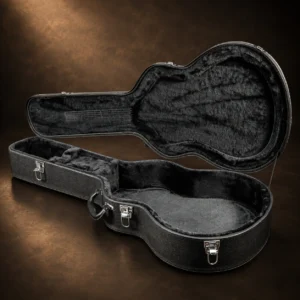
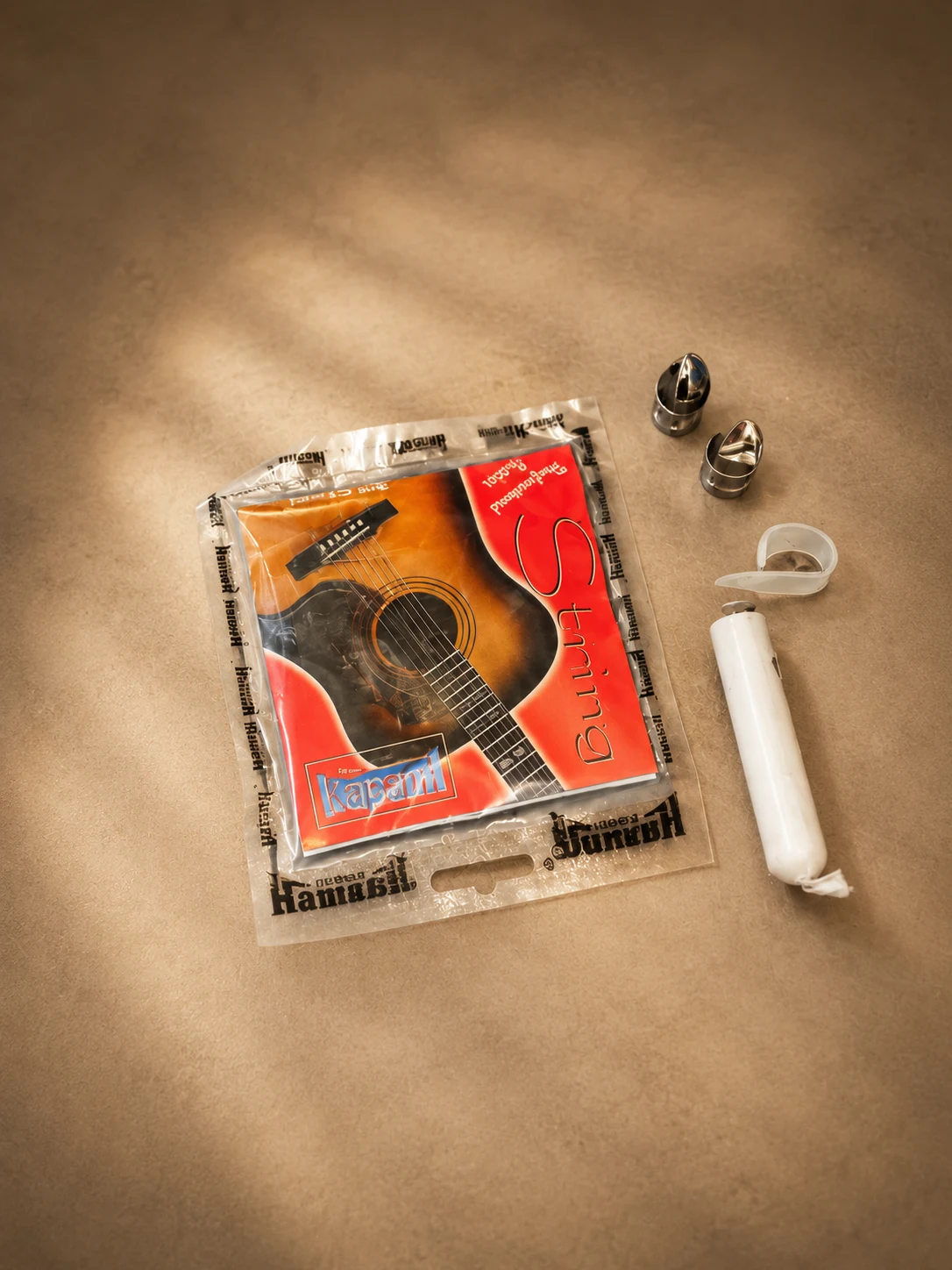
In The Box: Guitar (Hawaiian)-Givson, Plectrum, Metal Bar, Metal Picks, Bag
For More information SMS 1100H Name Email Country and Send to +919830066661
N.B: All prices are inclusive of Shipping, Packing, Tax and Insurance (within India). No hidden costs.
International Customers (shipping globally): Please switch the currency to US$, as the product will be Upgraded for International Customers. International Freight and International Insurance will be added extra.
Please read our Terms & Conditions, Privacy Policy and Shipping Policy.
History (Wikipedia):
From where we get Guitar (Hawaiian)- Small history below:
Our knowledge about the Guitar (Hawaiian) is from Wikipedia. As per Wikipedia, we shared this small history to let our customers know about the Guitar (Hawaiian) history. First and foremost, we know that Spanish settlers introduced guitars to the Hawaiian Islands as early as the 1830s. However, the Hawaiians did not embrace the standard guitar tuning that had been used for centuries. Instead, they re-tuned the guitars to create a chord when all the strings sounded together, a technique known as “open tuning.” Furthermore, they called this style “slack-key,” or “kī hōʻalu” in Hawaiian, because they slackened certain strings to achieve it. Consequently, the Hawaiians learned to play fingerstyle in this manner, crafting melodies over the full resonant tones of the open strings. As a result, the genre became known as slack-key guitar.
Around 1885, after manufacturers introduced steel guitar strings, Joseph Kekuku on the island of Oahu developed and popularized the technique of playing in open tuning while seated with the guitar across his knees and pressing a steel bar against the strings. Consequently, following Kekuku’s lead, other Hawaiians began to adopt this new style, thus laying the guitar across their laps instead of holding it against their bodies in the traditional manner. As a result, once the horizontal style gained popularity throughout the islands, it spread internationally and became known (typically outside of Hawaii) as “Hawaiian style”. In conclusion, this provides a basic history of Guitar (Hawaiian).