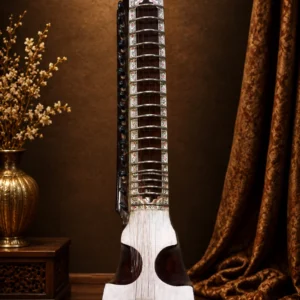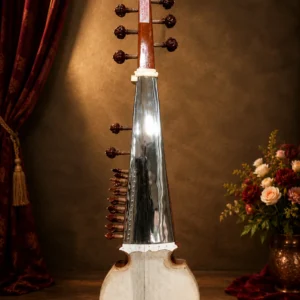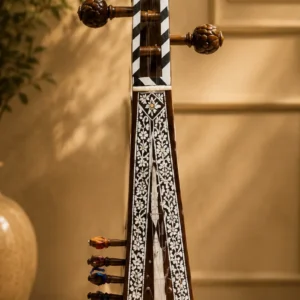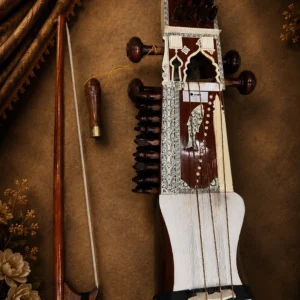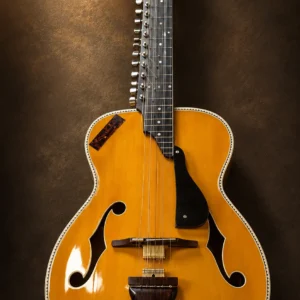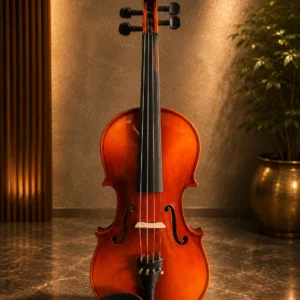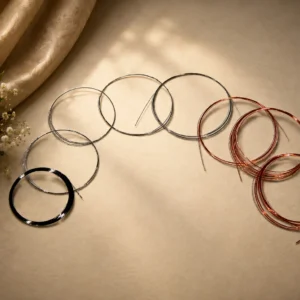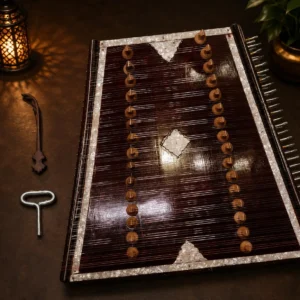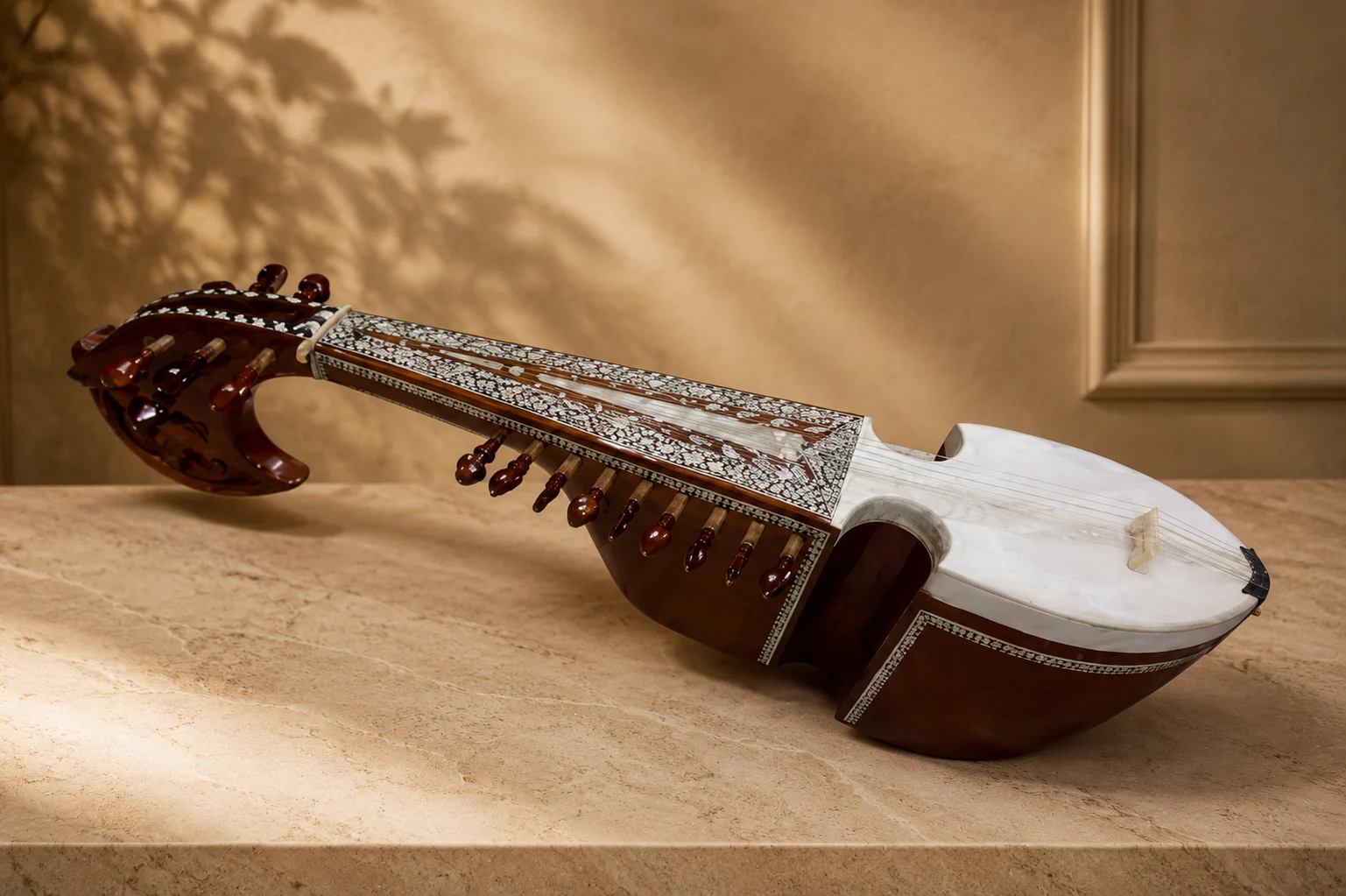
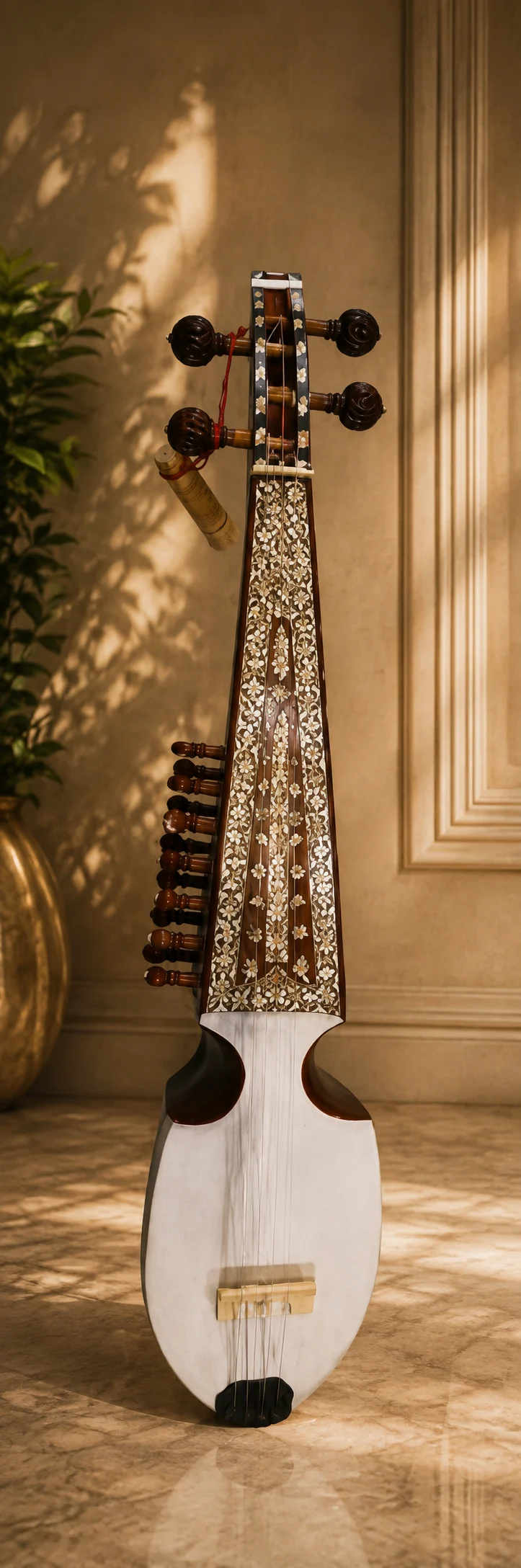
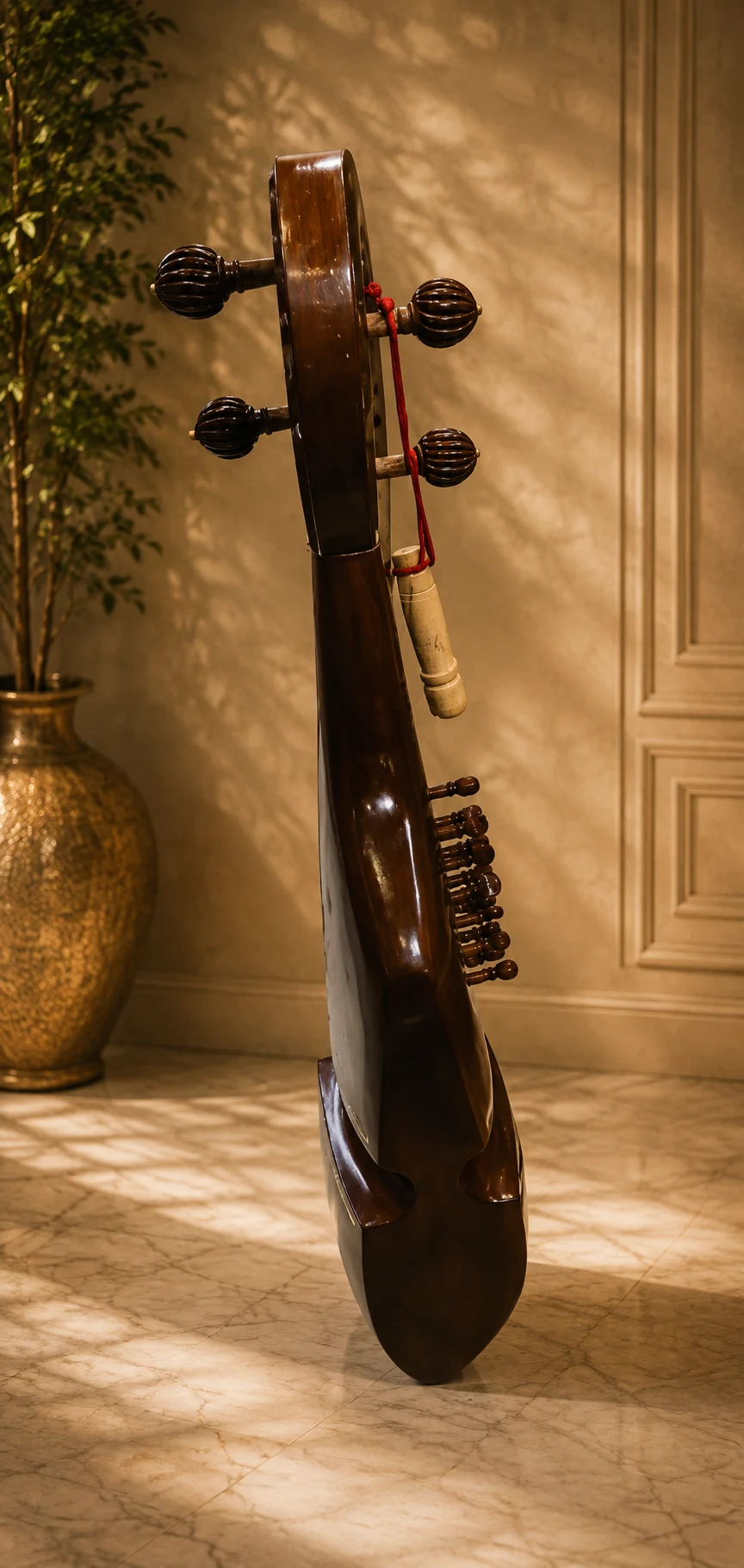
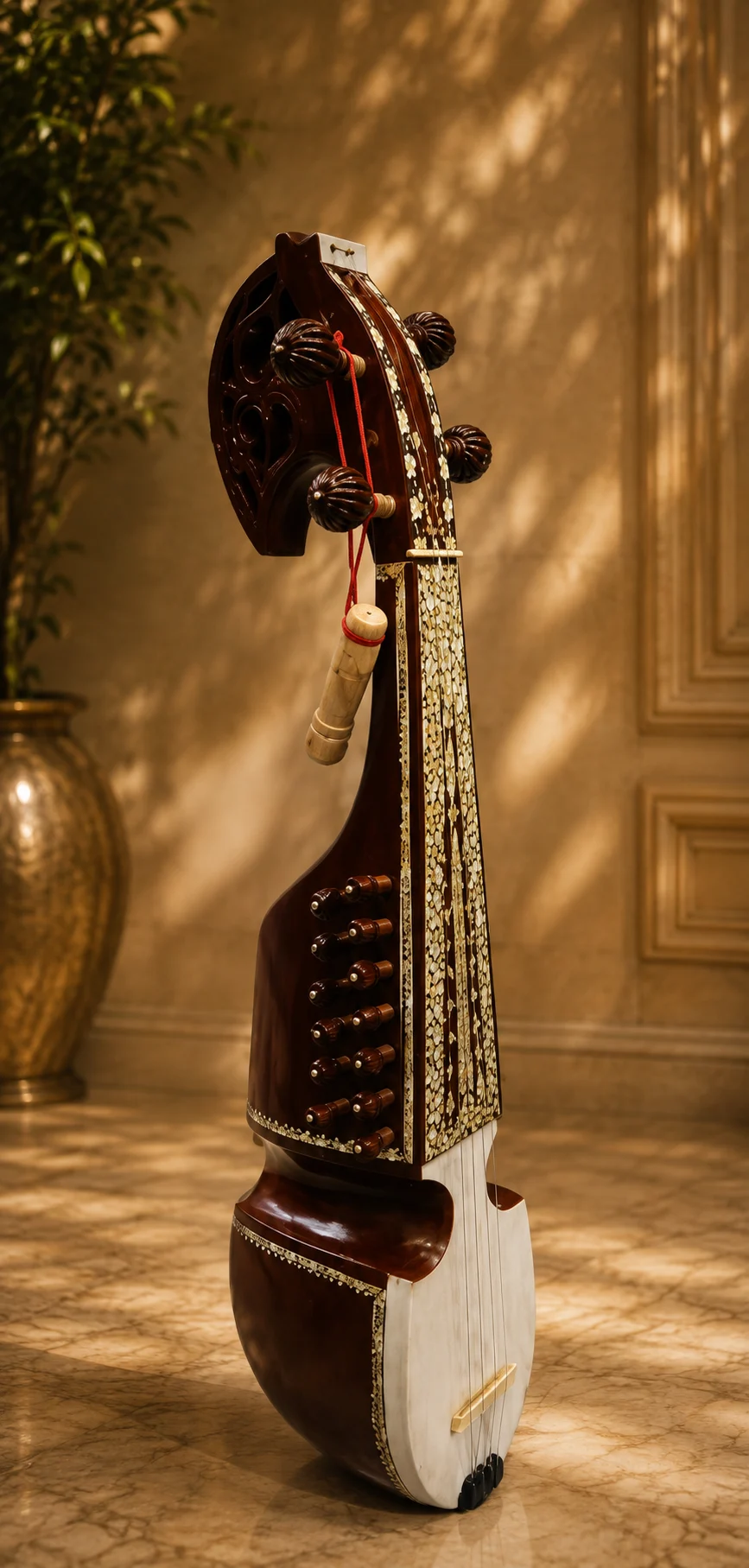
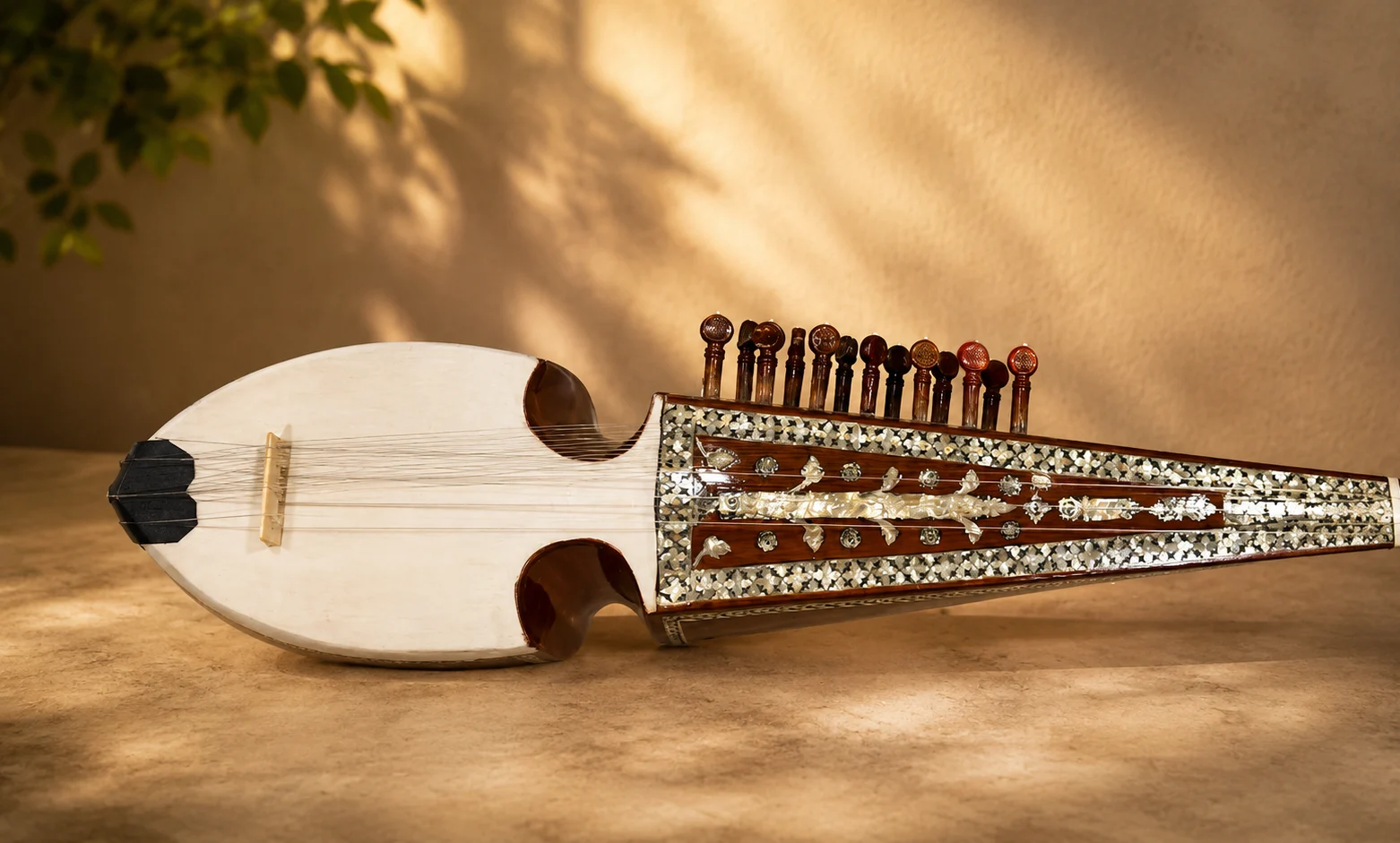
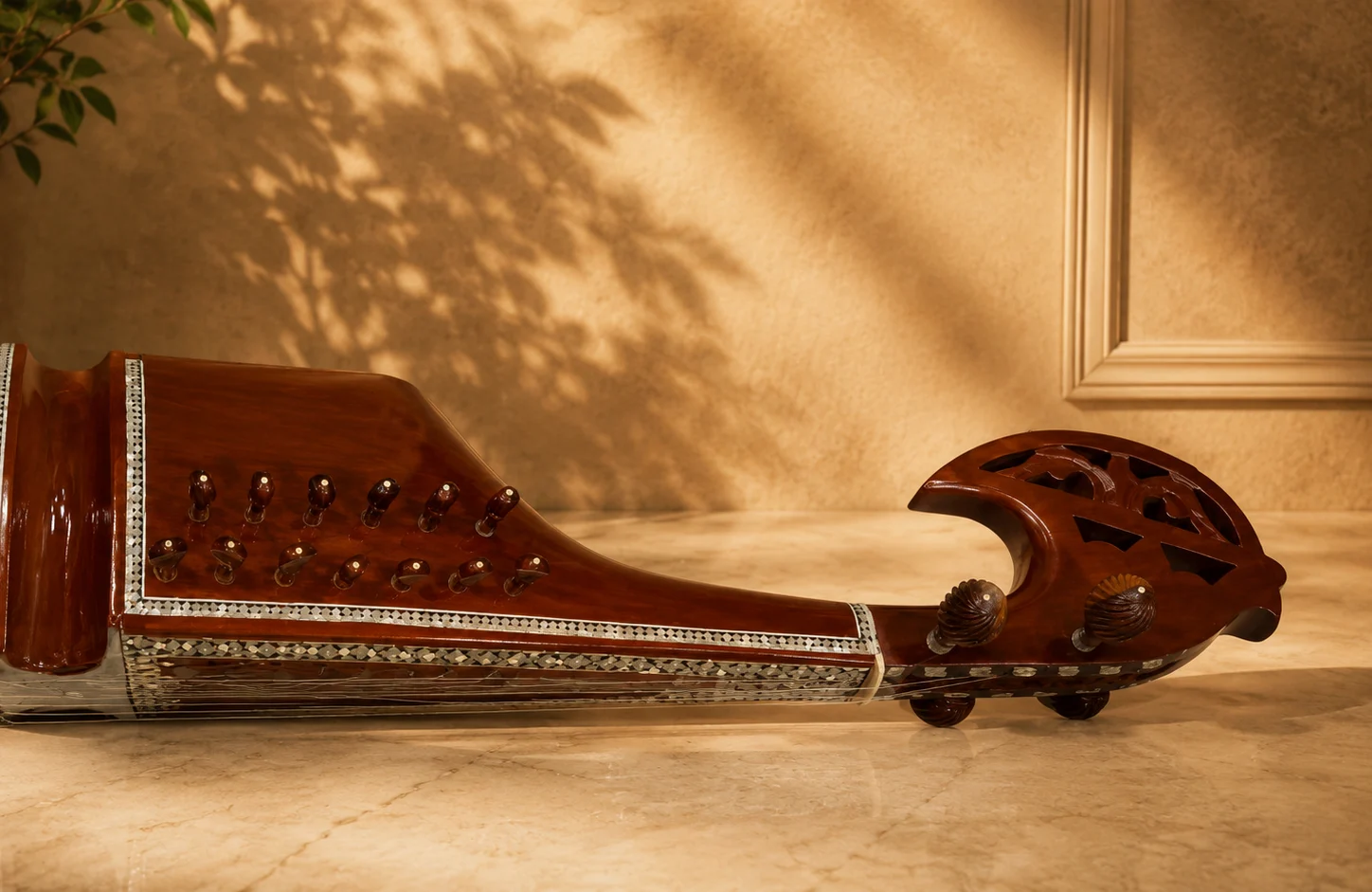
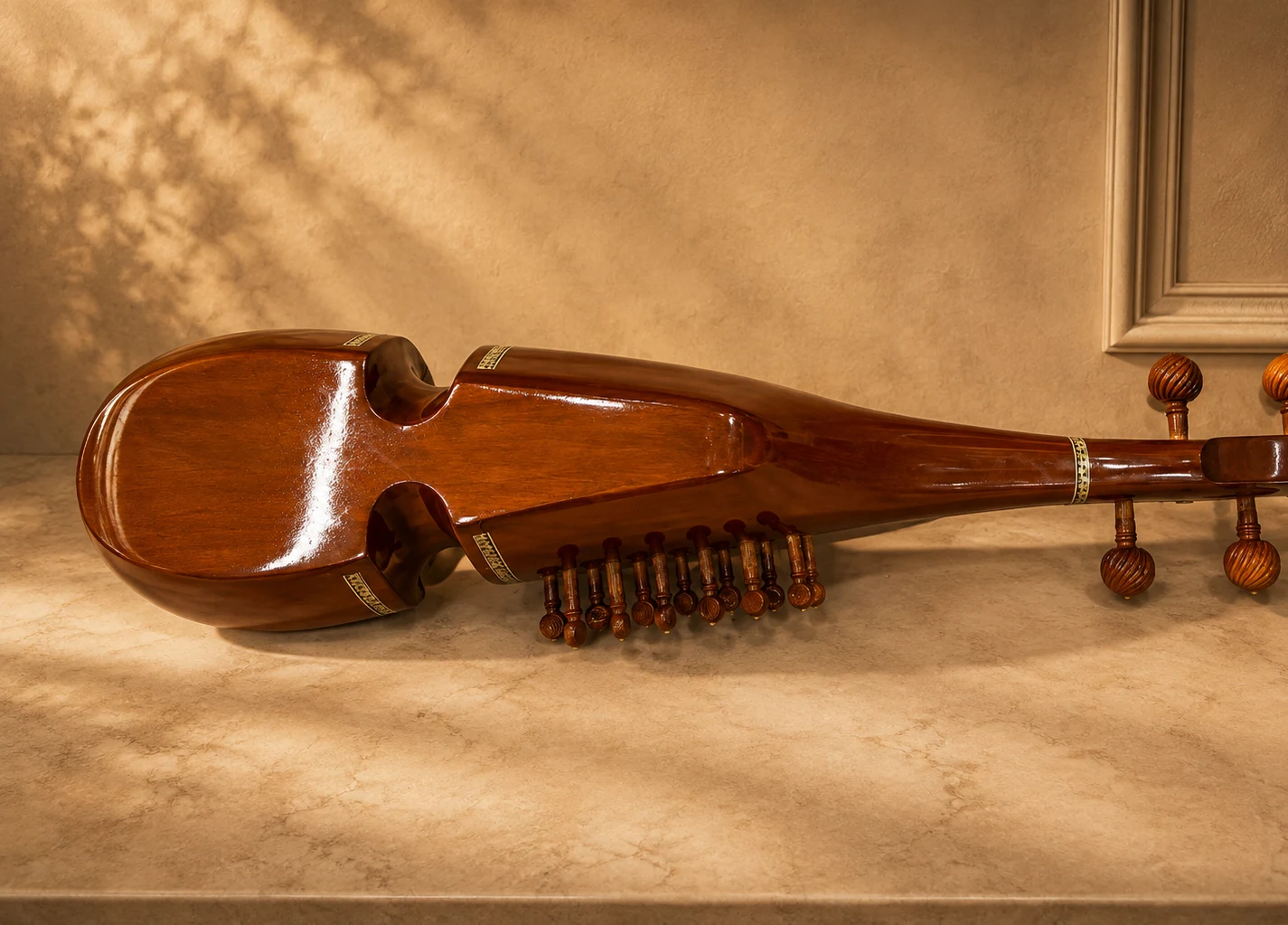
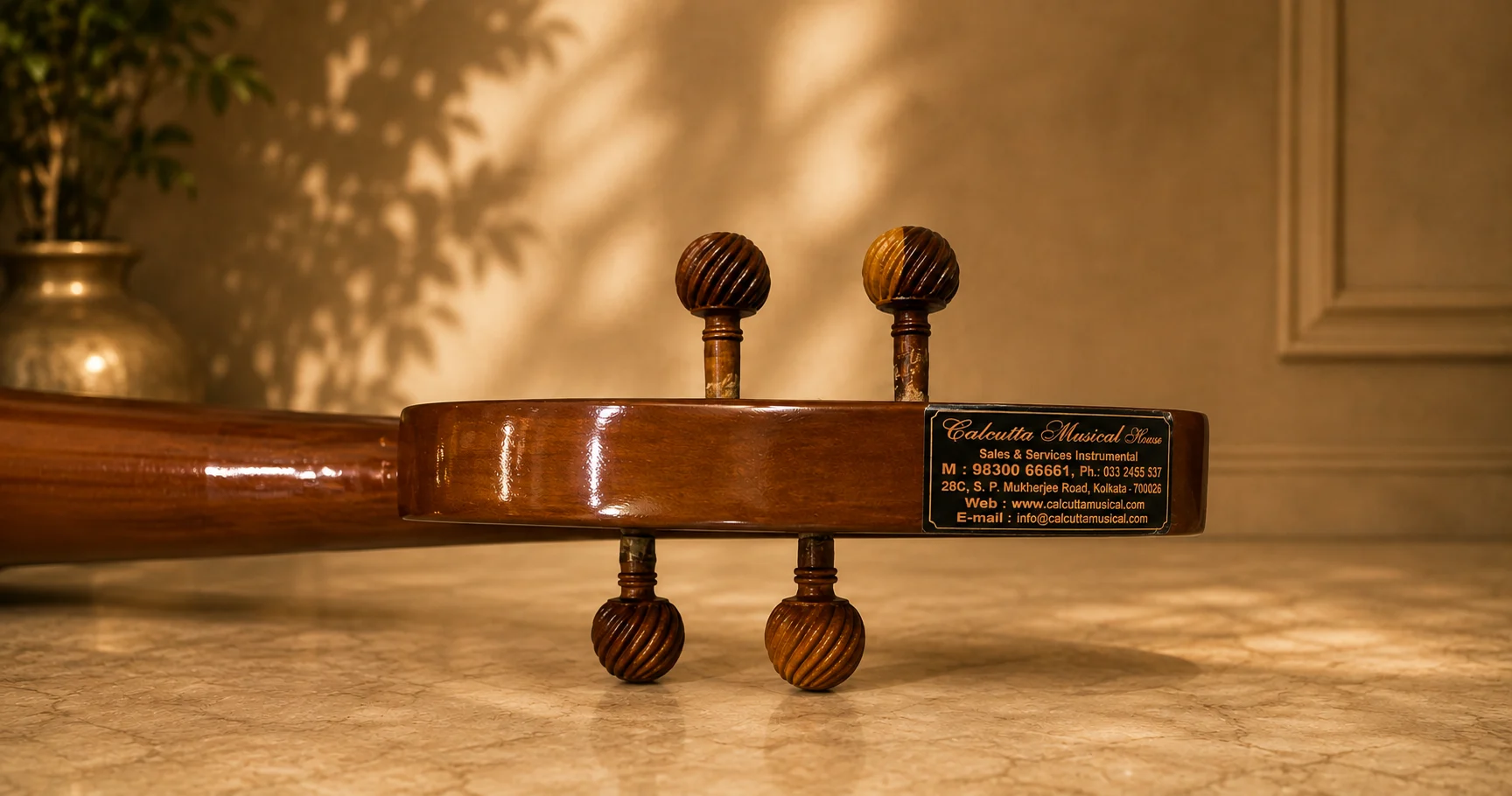
Rabab Features:
Good sound quality, classically tuned. Shipping Free within India.
Delivery Time: 12-15 Working Days after Successful Payment.
Warranty: 1 Year Manufacturing Warranty
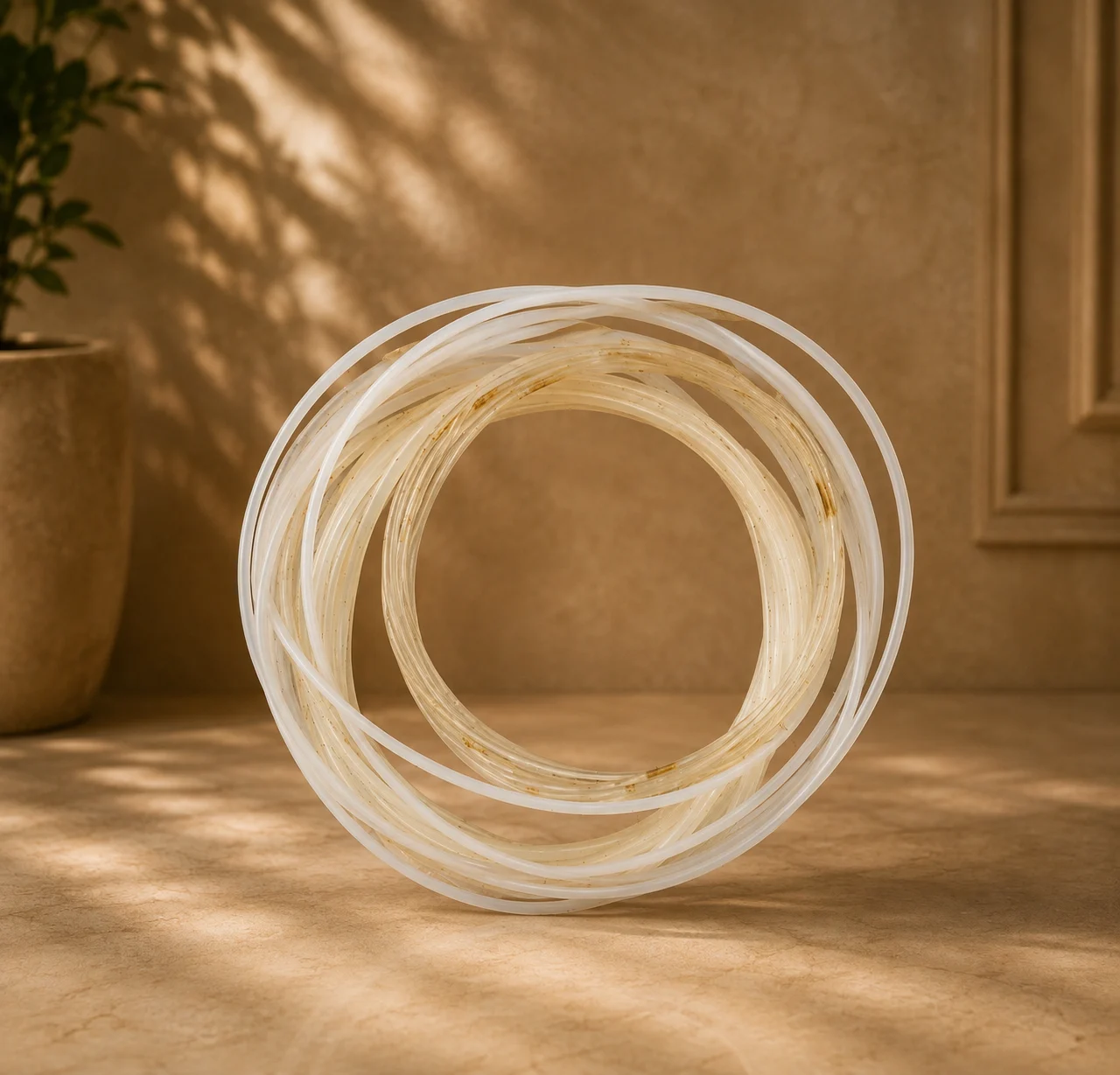
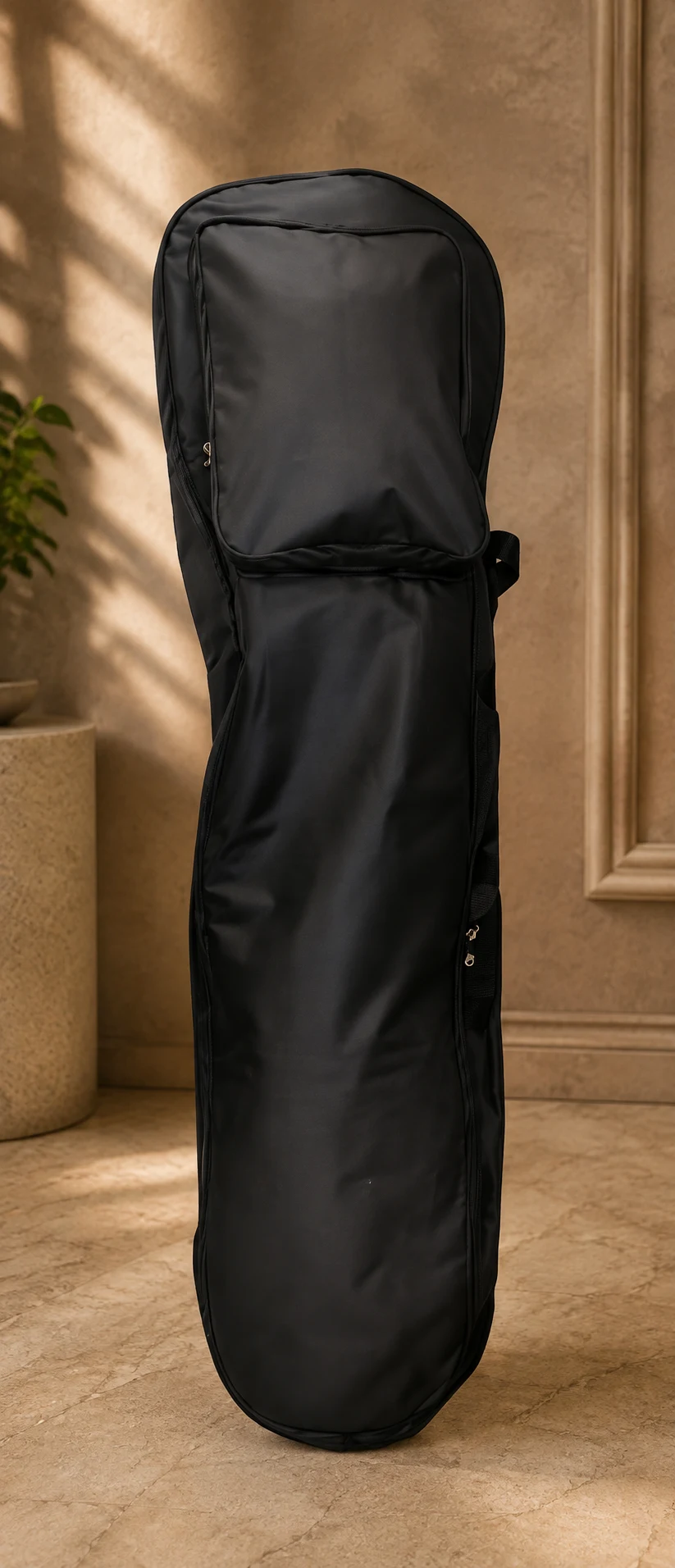
In The Box: Rabab, Stroker, Bag
For More information SMS 2900 Name Email Country and Send to +919830066661
N.B: All prices are inclusive of Shipping, Packing, Tax and Insurance (within India). No hidden costs.
International Customers (shipping globally): Please switch the currency to US$, as the product will be Upgraded for International Customers. International Freight and International Insurance will be added extra.
Please read our Terms & Conditions, Privacy Policy and Shipping Policy.
History (Wikipedia):
From where we get Rabab- Small history below:
Our knowledge about the Rabab is from Wikipedia. As per Wikipedia, we shared this small history to let our customers know about the Rabab history. Rubab, robab, or rabab (Persian: رُباب, Punjabi: ਰਬਾਬ, Kashmiri: رَبابہٕ, Sindhi: رَبابُ (Arabic script), रबाबु (Devanagari), Azerbaijani / Turkish: Rübab, Tajik / Uzbek рубоб) serves as a lute-like musical instrument. Interestingly, the people of Afghanistan consider the rubab their national musical instrument. Furthermore, musicians commonly play it in India and Pakistan, mostly by Pashtuns, Balochis, Sindhis, Kashmiris, and Punjabis.
Moreover, musicians create variants of the rubab, including the Kabuli rebab of Afghanistan, the Rawap of Xinjiang, the Pamiri rubab of Tajikistan, and the seni rebab of northern India. As a result, the instrument and its variants spread throughout West, Central, South, and Southeast Asia. Notably, the Kabuli rebab from Afghanistan derives its name from the Arabic rebab, and musicians play it with a bow; in contrast, in Central Asia and the Indian subcontinent, players pluck the instrument, which is distinctly different in construction.
Henry George Farmer identified the earliest historical record of an instrument named rabab in 10th-century Arabic texts. Moreover, musicians subsequently gained popularity for this instrument, along with its variations like rubab, rebab, and rabob, in various regions of West, Central, South, and Southeast Asia. In addition, old Persian books mention it, and many Sufi poets include it in their poems. Furthermore, the traditional instrument of Khorasan is present in Afghanistan, and musicians widely use it in countries such as Pakistan, Azerbaijan, Iran, Turkey, Iraq, Tajikistan, and Uzbekistan, as well as in the Xinjiang province of northwest China and the Jammu and Kashmir and Punjab regions of northwest India, this provides a basic history of the instrument.