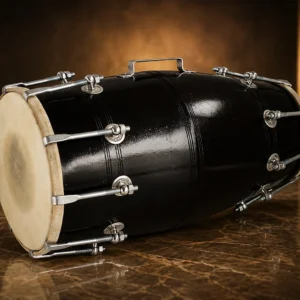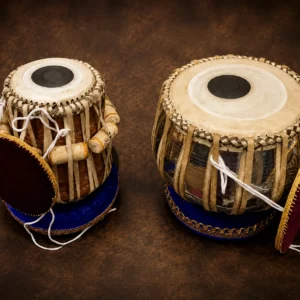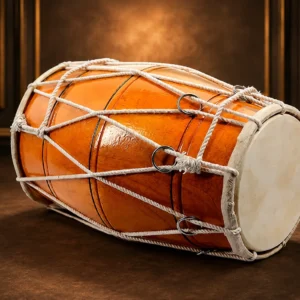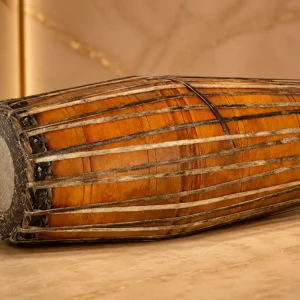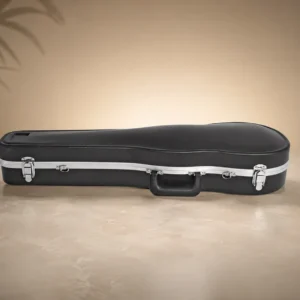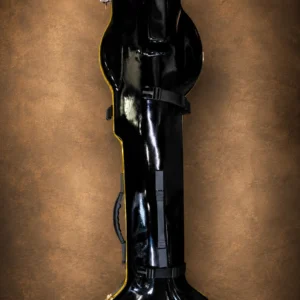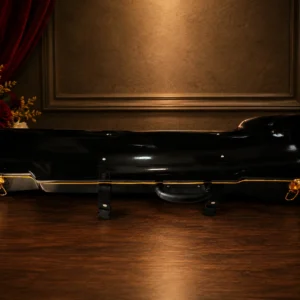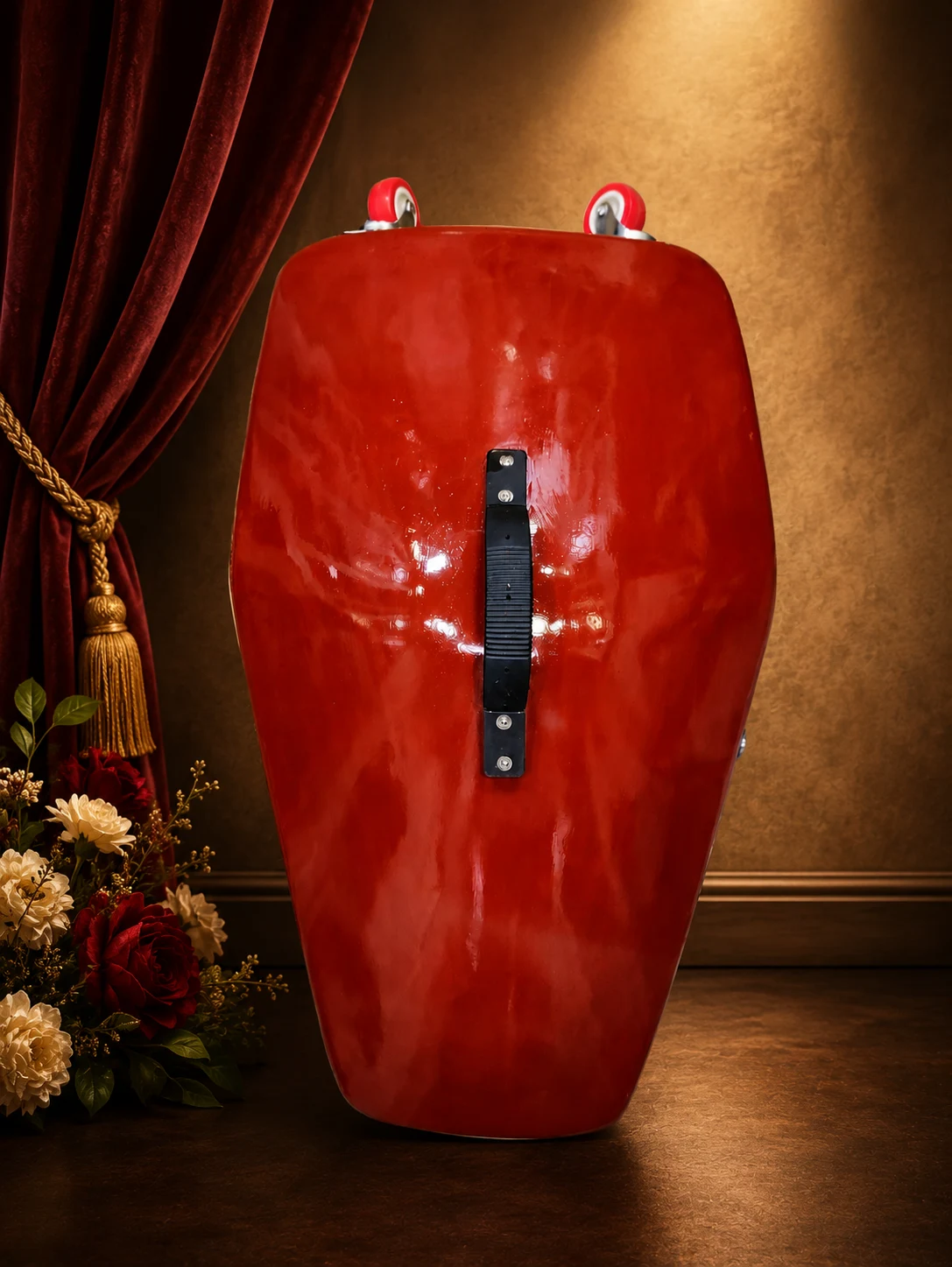
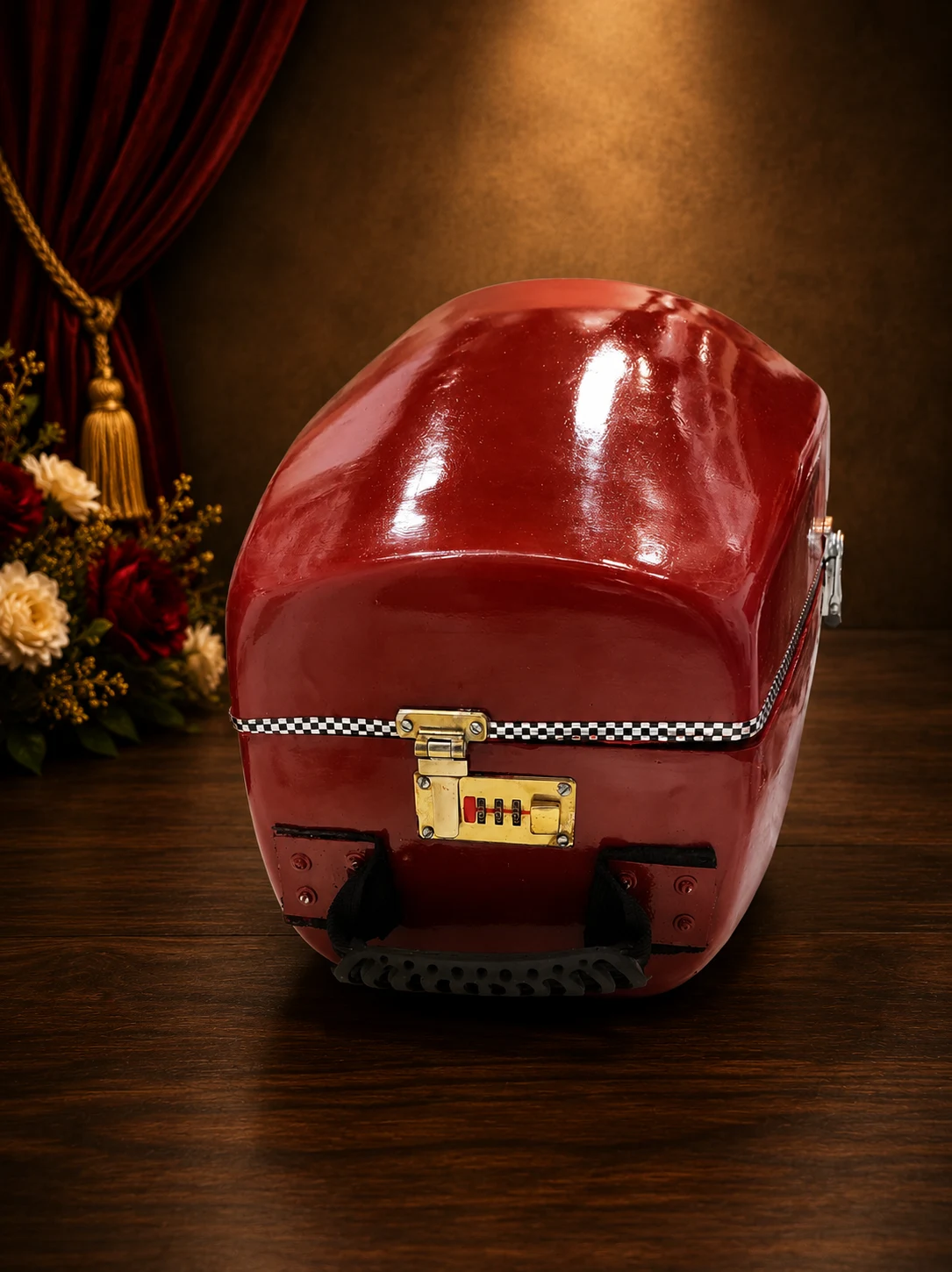
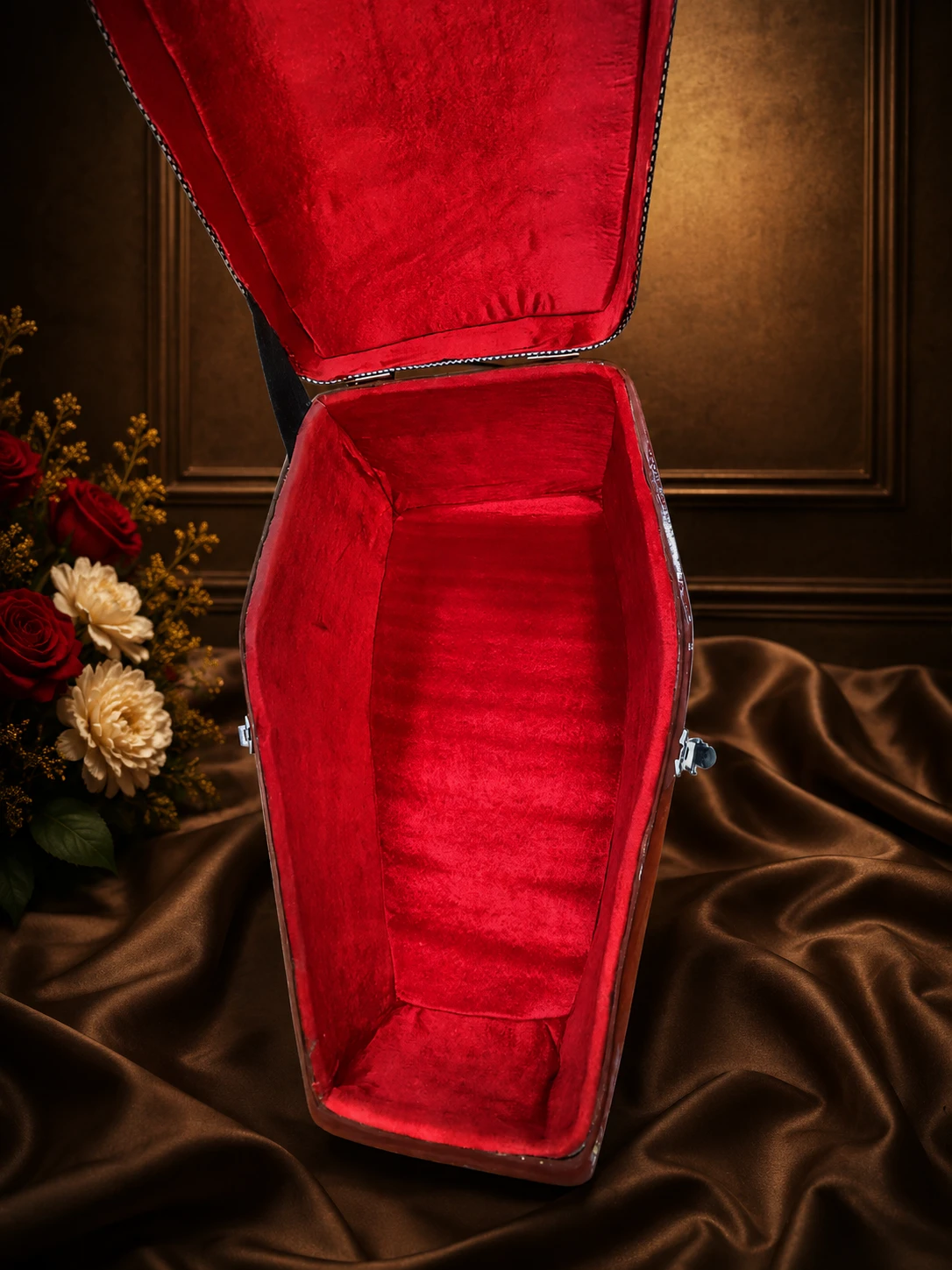
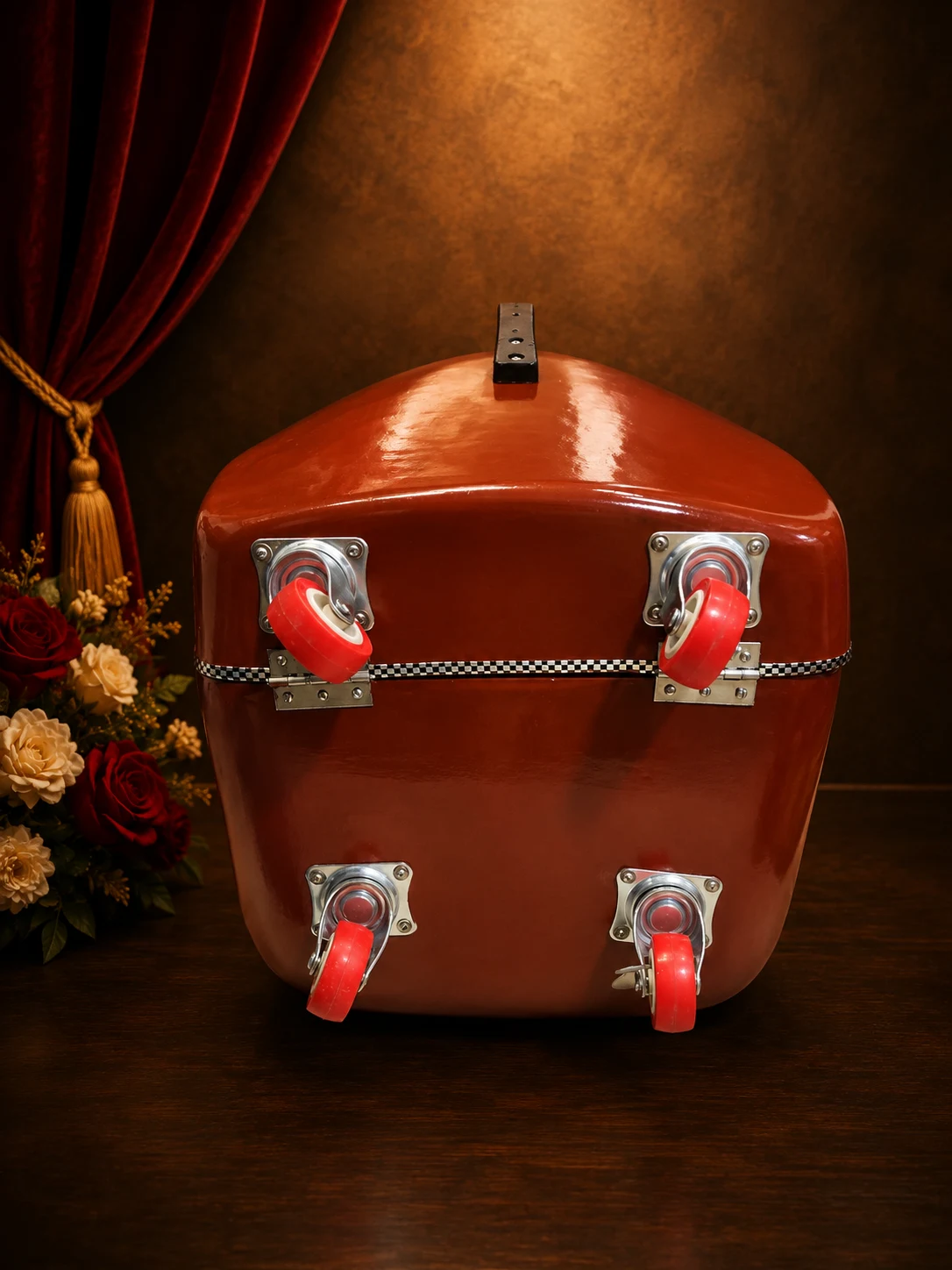
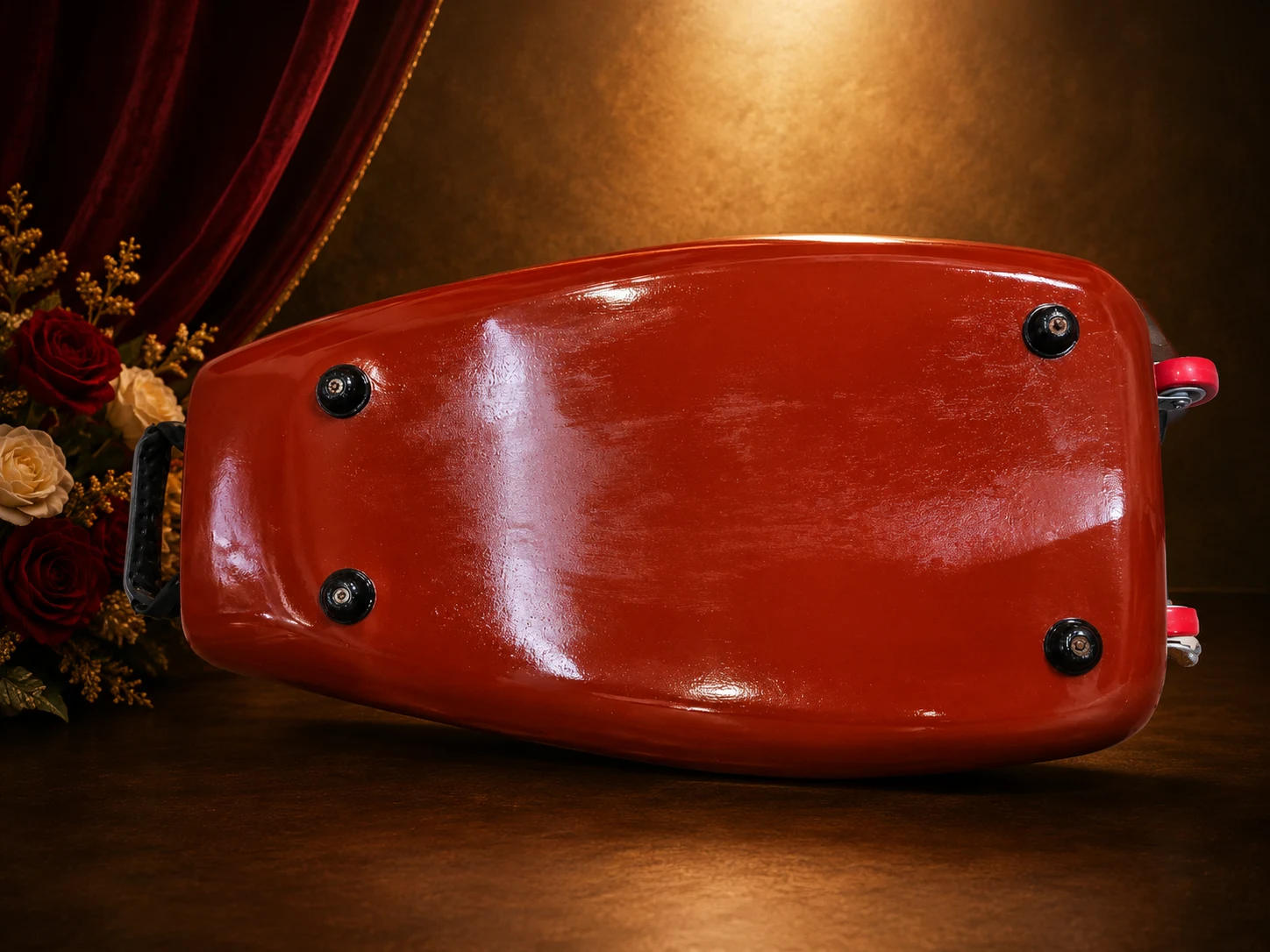
Khol Case Features:
Professional Quality & Easy to Carry. Shipping Free within India.
Delivery Time: 12-15 Working Days after Successful Payment.
Warranty: 1 Year Manufacturing Warranty
In The Box: Khol Case
For More information SMS 8100 Name Email Country and Send to +919830066661
N.B: All prices are inclusive of Shipping, Packing, Tax and Insurance (within India). No hidden costs.
International Customers (shipping globally): Please switch the currency to US$, as the product will be Upgraded for International Customers. International Freight and International Insurance will be added extra.
Please read our Terms & Conditions, Privacy Policy and Shipping Policy.
History (Wikipedia):
From where we get Khol (Clay)- Small history below:
Our knowledge about the Khol (Clay) is from Wikipedia. As per Wikipedia, we shared this small history to let our customers know about the Khol (Clay) history. Musicians use the khol, a terracotta two-sided drum, in northern and eastern India for accompaniment with devotional music (bhakti). Moreover, they also know it as a mridanga (< Sanskrit mṛd + aṅga, lit. ’clay limb’), not to be confused with mridangam. Additionally, the Indian states of Odisha, West Bengal, Assam, and Manipur produce it. Players strike the drum with the palms and fingers of both hands.
Furthermore, artists regard the khol as resembling the ancient gopuchha shape of drums, as described in Natya Shastra. Specifically, the right face of the drum has a high pitch and produces a metallic sound, whereas the left face produces a lower bass sound. Interestingly, musicians can tune the larger side with humidity. For instance, on a humid day, the larger side loosens up and vibrates more, producing the lower sound. Conversely, during a dry day, the side tightens up, producing a high-pitched sound. Consequently, players of the instrument add water to their drum if they feel it does not produce a low enough sound. In this case, they put a bit of water on their finger and spread it around the edge of the large side. Finally, they either let it sit there for a few minutes or manually stretch it with their palm.
Many histories tell about its origin. Additionally, different types of Khol exist in northeastern India. For instance, people commonly find Odisha, Manipur, Bengal, and Assamese Khol in different forms. Moreover, the Assamese polymath Sankardev made the wooden khol into terracotta. This provides a basic history of the instrument.