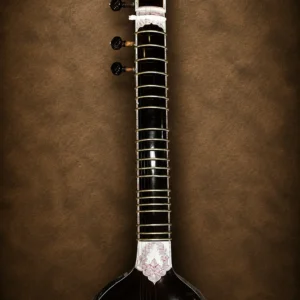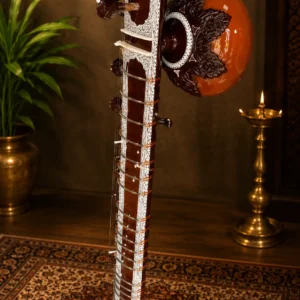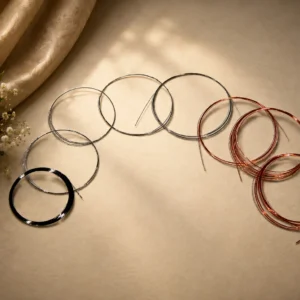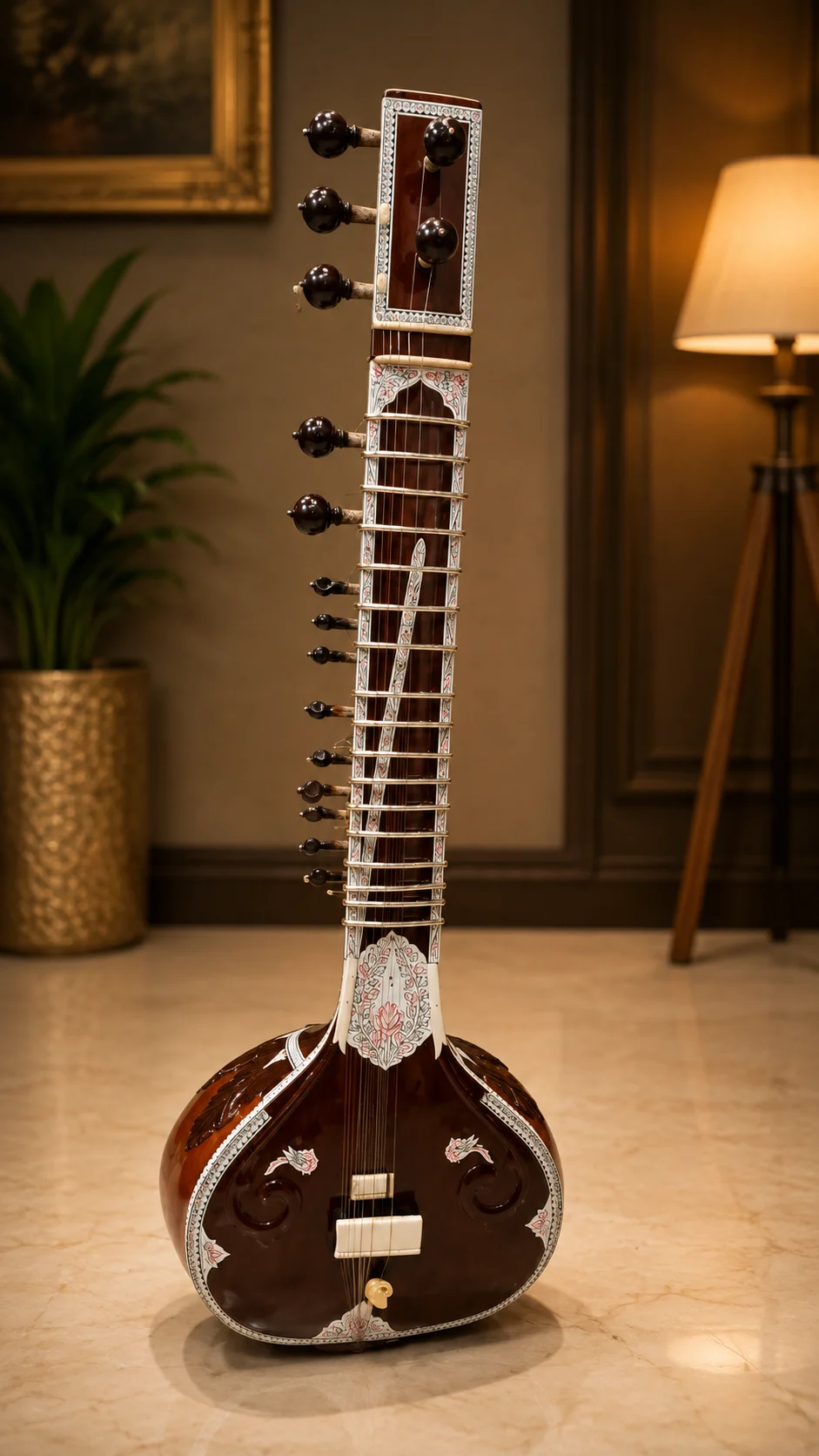
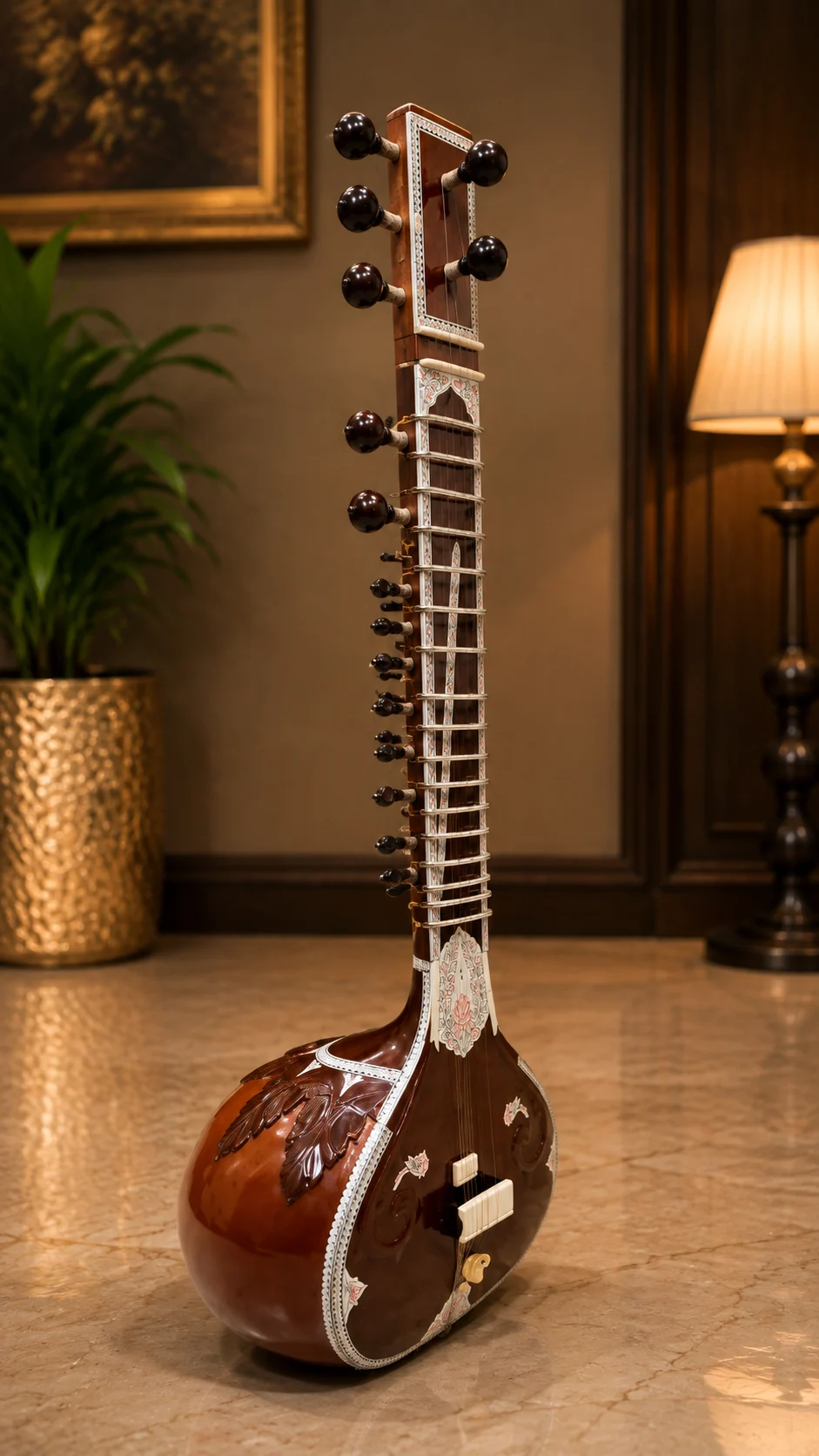
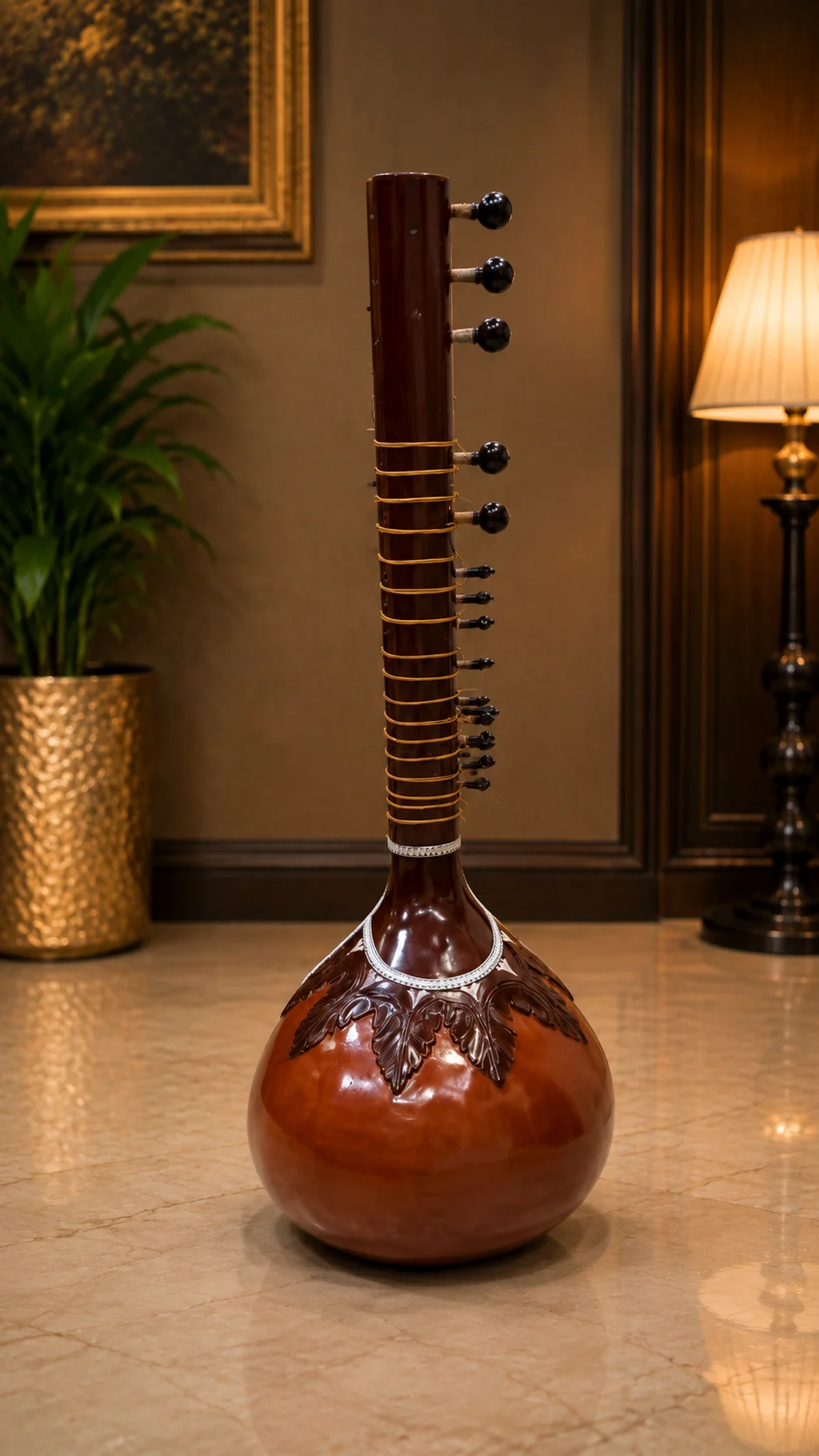
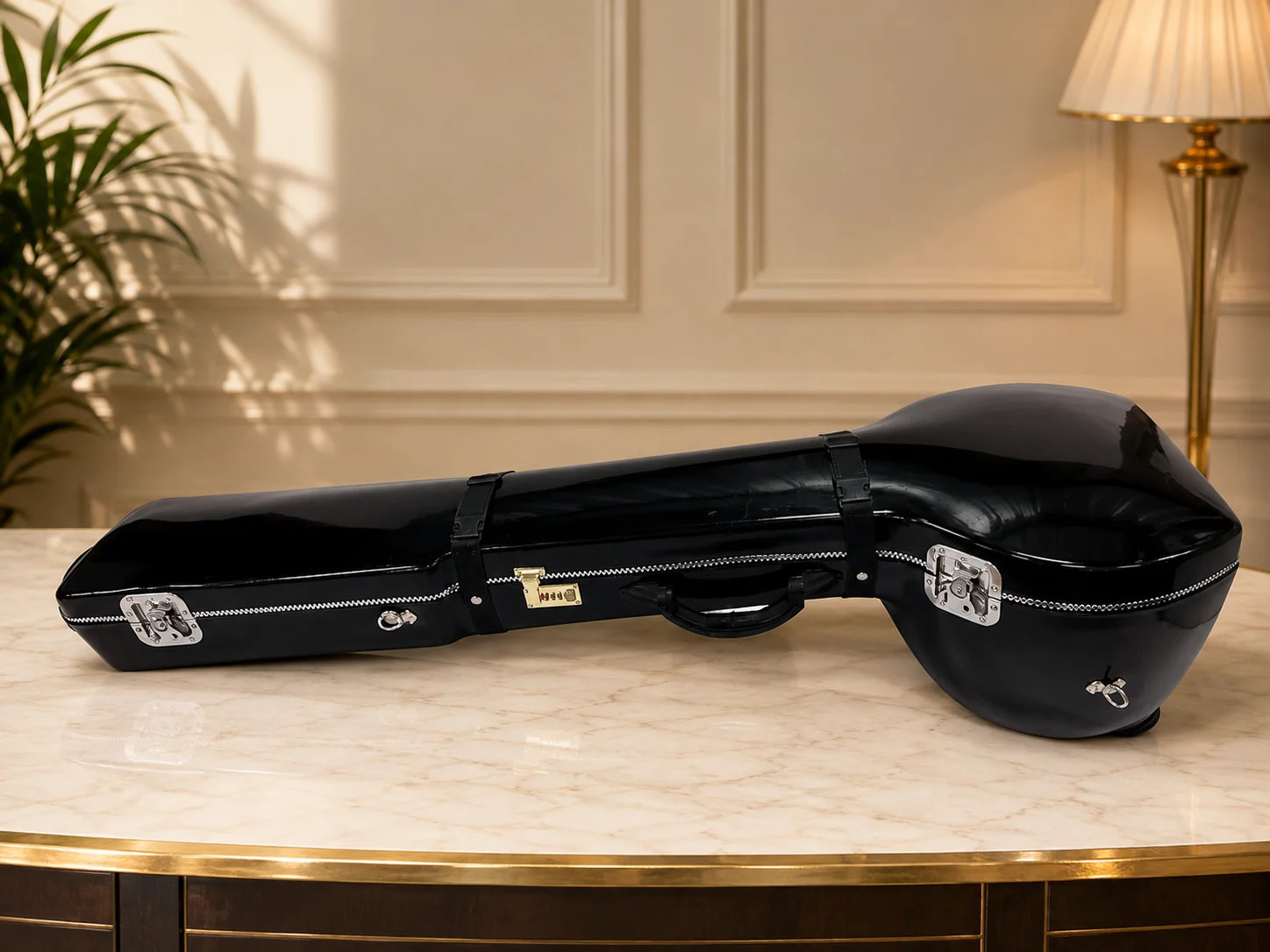
Baby Sitar Features:
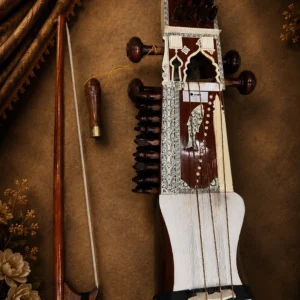
Both side engraving works of Tabli and Dandee, Mango leafs on the neck of the Sitar, Rose pegs half decorated. Shipping Free within India.
Delivery Time: 15-20 Working Days after Successful Payment.
Warranty: 1 Year Manufacturing Warranty
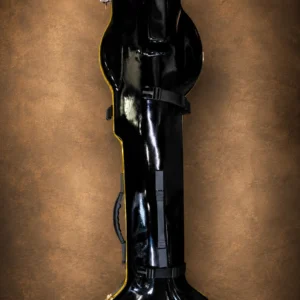
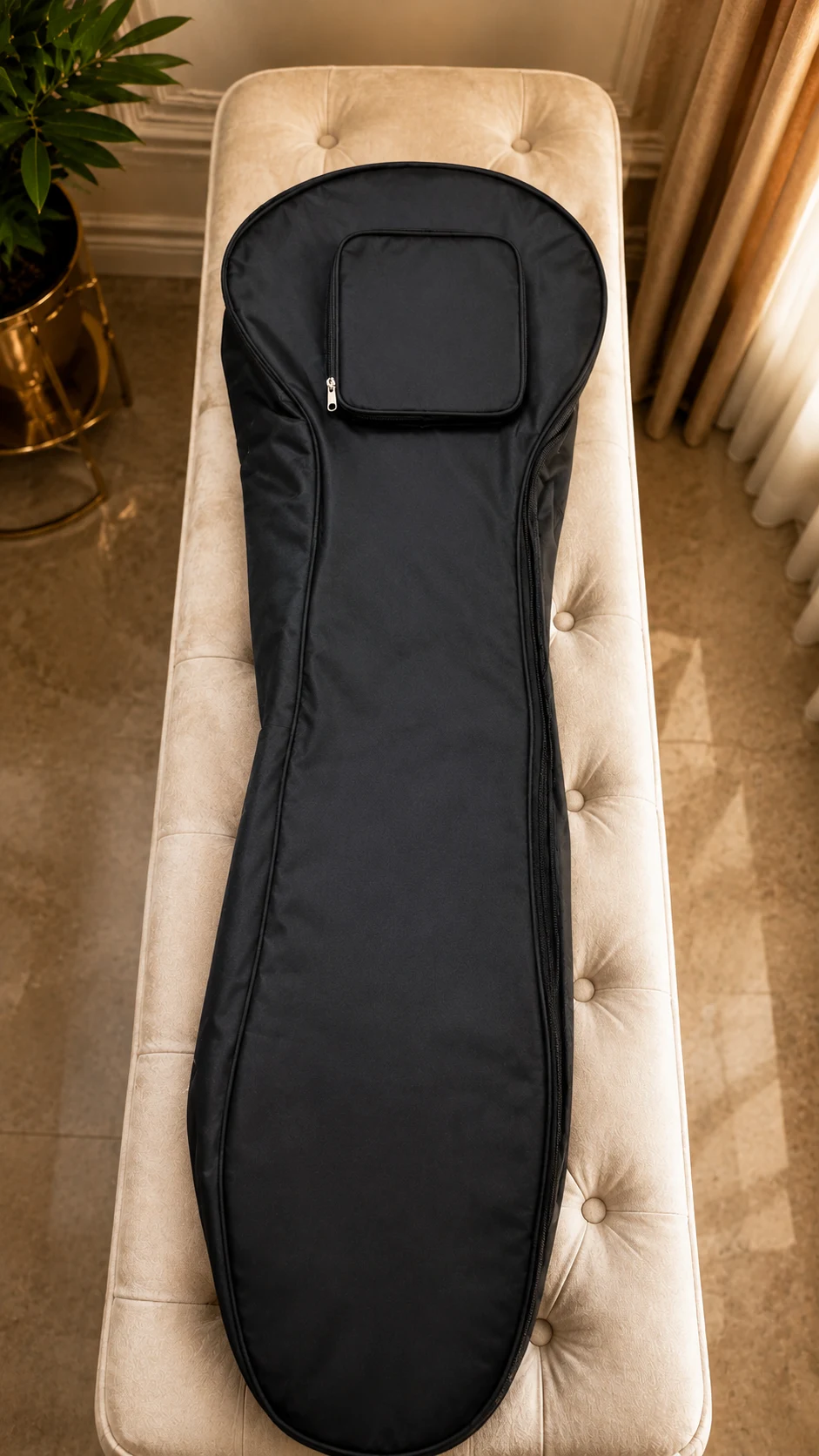
In The Box: Baby Sitar, Mizrub, Cloth Cover, Hard Case Cover
For More information SMS 900B Name Email Country and Send to +919830066661
N.B: All prices are inclusive of Shipping, Packing, Tax and Insurance (within India). No hidden costs.
International Customers (shipping globally): Please switch the currency to US$, as the product will be Upgraded for International Customers. International Freight and International Insurance will be added extra.
Please read our Terms & Conditions, Privacy Policy and Shipping Policy.
History (Wikipedia):
From where we get Baby Sitar- Small history below:
Our knowledge about the Baby Sitar is from Wikipedia. As per Wikipedia, we shared this small history to let our customers know about the Sitar history. Scholars theorized that Amir Khusrow (c. 1253–1325), a renowned Sufi inventor, poet, and pioneer of Khyal, Tarana, and Qawwali, invented or developed the sitar during the 13th century. However, many consider this tradition discredited, as no records from that period refer to the instrument as a “sitar.” Furthermore, an ambiguous statement in a 19th-century work by Captain N. Augustus Willard may have led to the incorrect association of the famous poet Amir Khusrow with a later figure, possibly named Khusrau Khan, who lived in the 18th century
The earliest mention of the sitar, in fact, dates back to 1739 AD, as found in the “Muraqqa-i-Dehli,” which was written by Dargah Quli Khan during the reign of Muhammad Shah Rangila. Moreover, historians analyzing both oral and textual evidence suggest that Khusrau Khan, an 18th-century figure from the Mughal court, originated the sitar from the small Persian three-stringed setar. Consequently, during the late Mughal Empire, the instrument began to evolve into its modern shape, featuring a wider neck, a bowl made of gourd instead of glued wooden lathes, metal frets, and, importantly, a bone nut on the neck. Moreover, there are two popular modern styles of sitar. The fully decorated “instrumental style” (sometimes called the “Ravi Shankar style”) and the “gayaki” style (sometimes called the “Vilayat Khan” style). This provides a basic history of the instrument.