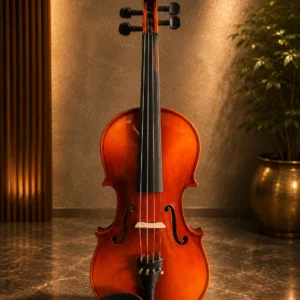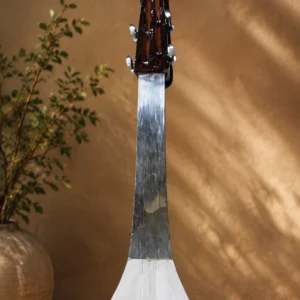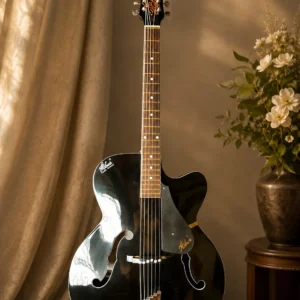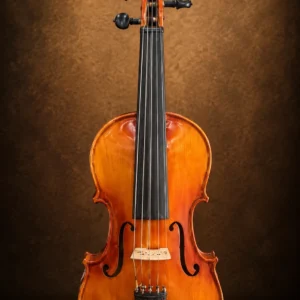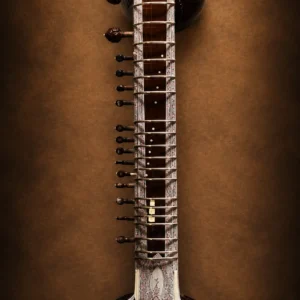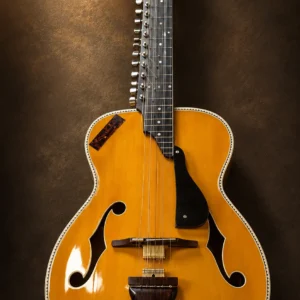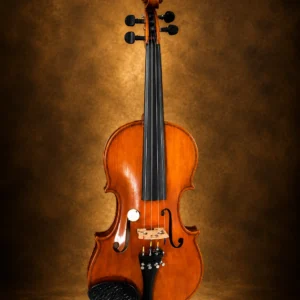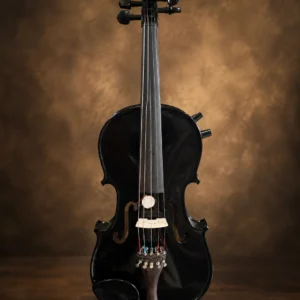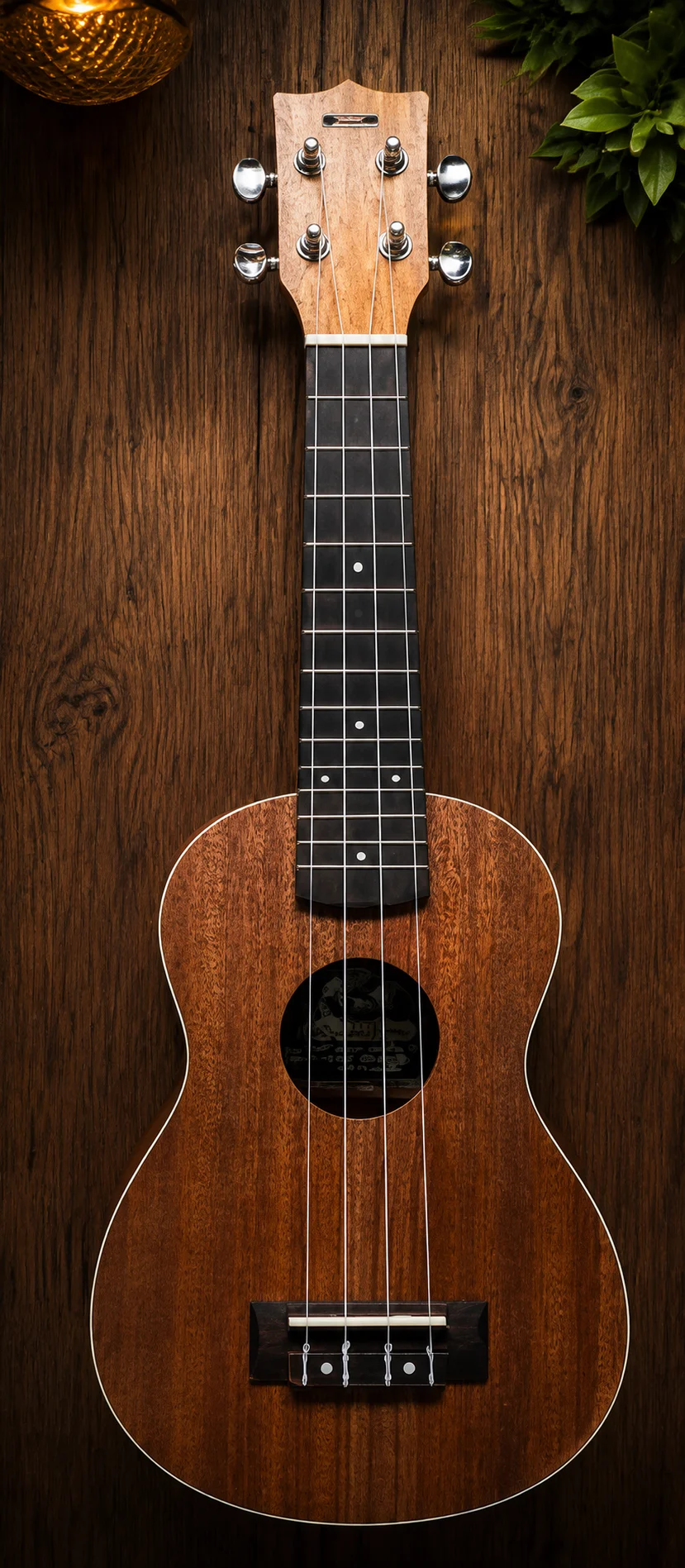
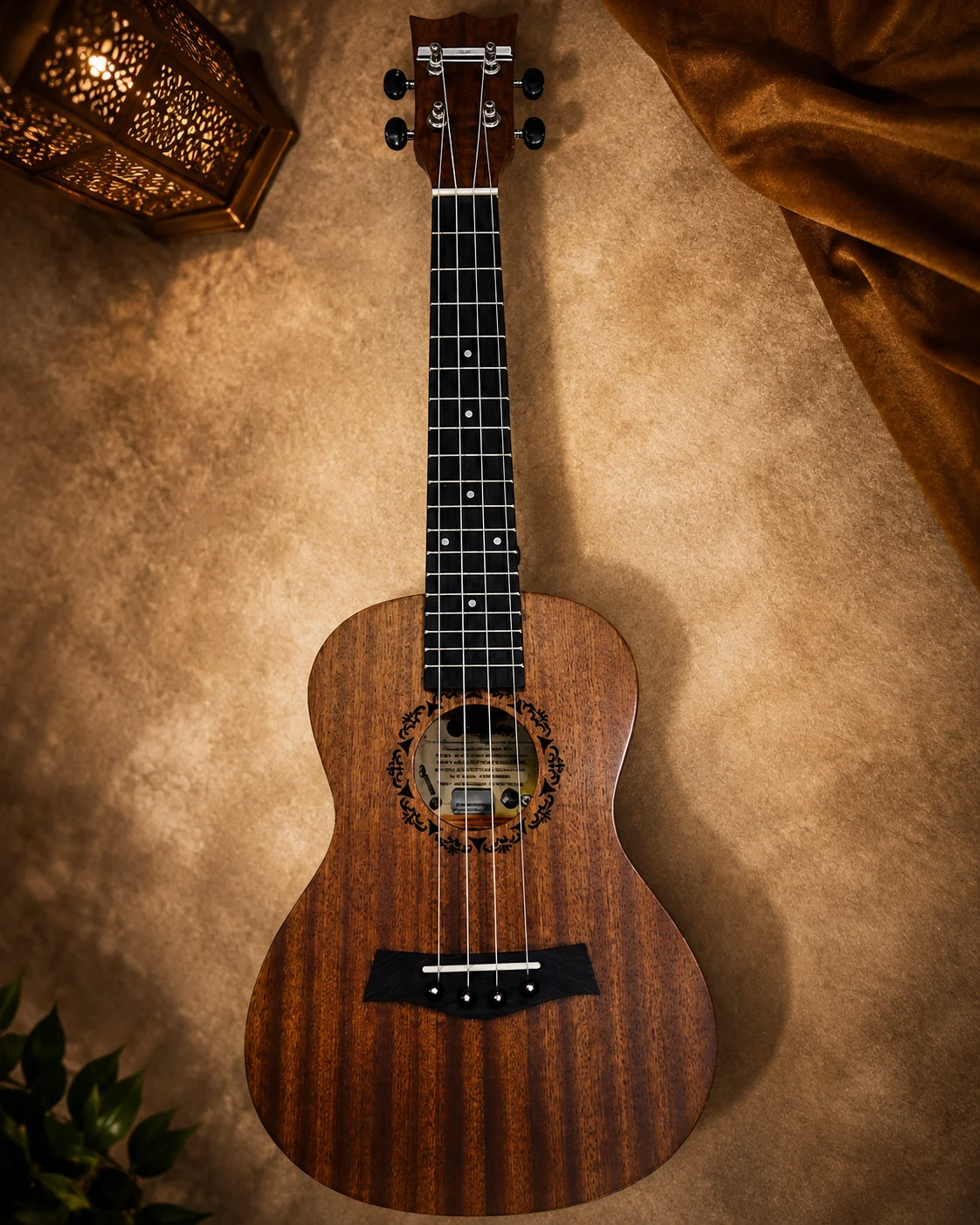
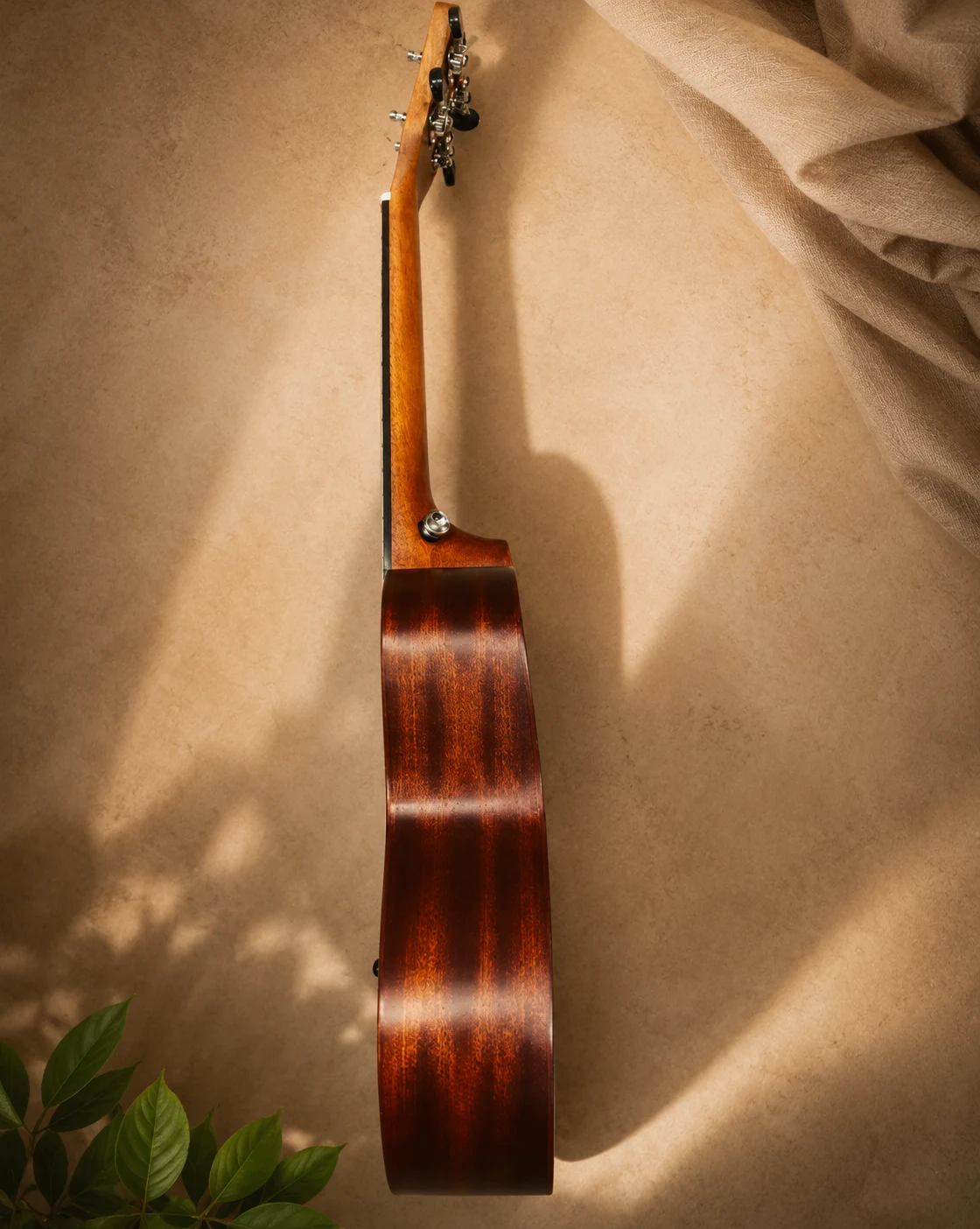
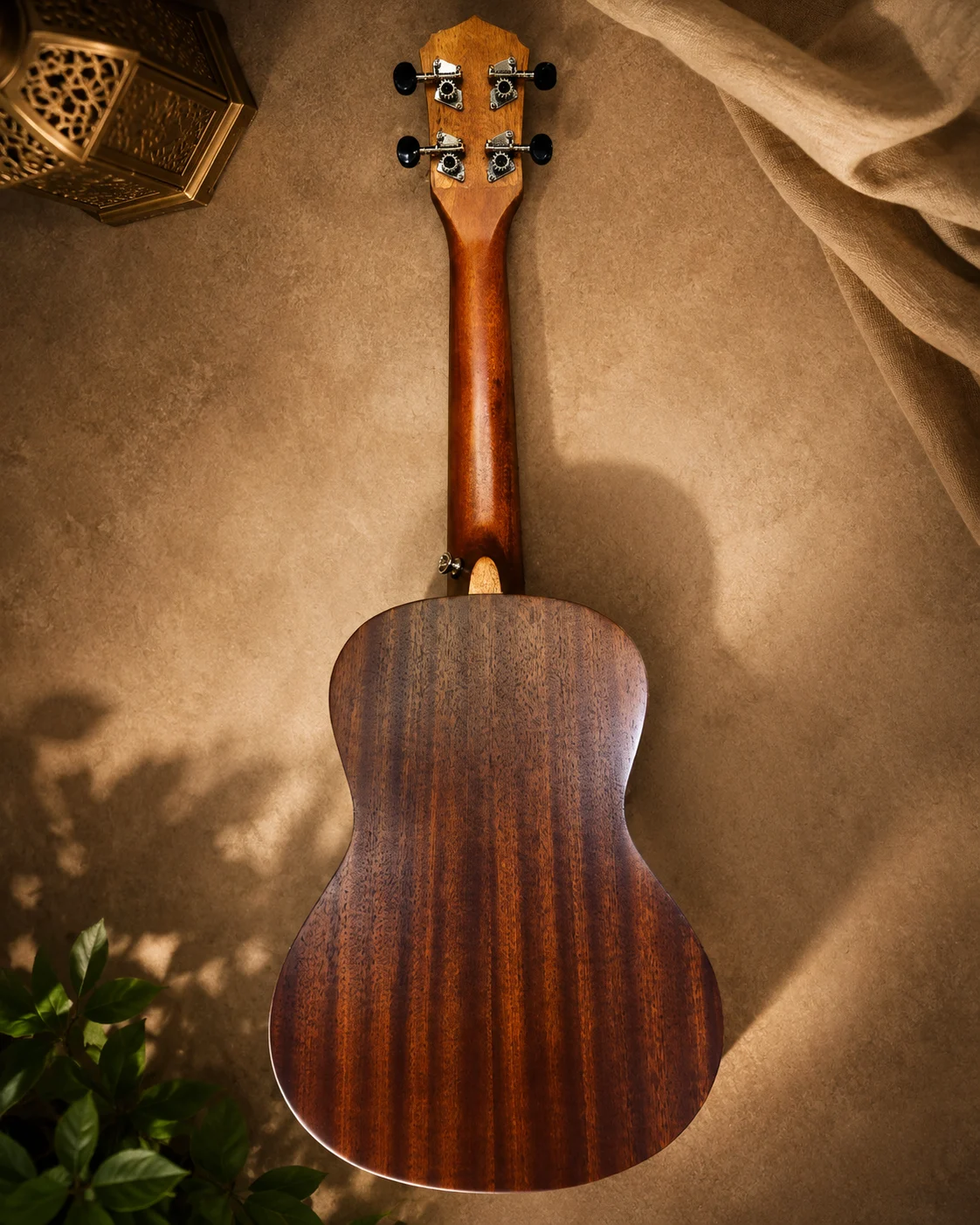
Ukulele Features:
Good sound quality, classically tuned. Shipping Free within India.
Delivery Time: 10-15 Working Days after Successful Payment.
Warranty: 1 Year Manufacturing Warranty
In The Box: Ukulele, Stroker, Bag
For More information SMS 7500S Name Email Country and Send to +919830066661
N.B: All prices are inclusive of Shipping, Packing, Tax and Insurance (within India). No hidden costs.
International Customers (shipping globally): Please switch the currency to US$, as the product will be Upgraded for International Customers. International Freight and International Insurance will be added extra.
Please read our Terms & Conditions, Privacy Policy and Shipping Policy.
History (Wikipedia):
From where we get Ukulele- Small history below:
Our knowledge about the instrument is from Wikipedia. As per Wikipedia, we shared this small history to let our customers know about the Ukulele history. Developed in the 1880s, the ukulele draws inspiration from several small, guitar-like instruments of Portuguese origin, including the machete, cavaquinho, and rajão. Furthermore, Portuguese immigrants from Madeira, the Azores, and Cape Verde introduced these instruments to the Hawaiian Islands. Notably, three immigrants—Madeiran cabinet makers Manuel Nunes, José do Espírito Santo, and Augusto Dias—are generally credited as the first ukulele makers. In fact, just two weeks after they arrived on the SS Ravenscrag in late August 1879, the Hawaiian Gazette reported that “Madeira Islanders recently arrived here have been delighting the people with nightly street concerts.” Thus, the ukulele began to take root in Hawaiian culture.
One of the key factors in establishing the instrument in Hawaiian music and culture was undoubtedly King Kalākaua’s passionate support and promotion of the instrument. Moreover, as a patron of the arts, he integrated the ukulele into performances at royal gatherings, thereby significantly elevating its status and popularity.
In the Hawaiian language, the word “ukulele” roughly translates to “jumping flea”. Likely inspired by the movement of the player’s fingers. Furthermore, legend attributes this nickname to Edward William Purvis. He is an Englishman and one of King Kalākaua’s officers. He known for his small stature, fidgety manner, and exceptional playing skills. Moreover, one of the earliest printed references to the word as a stringed instrument appears in the 1907 Catalogue of the Crosby Brown Collection of Musical Instruments of All Nations, published by the Metropolitan Museum of Art, thus providing a foundational history of the ukulele.