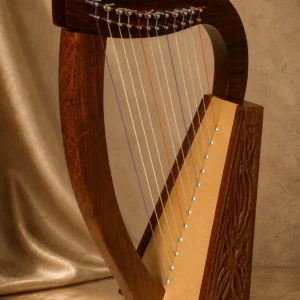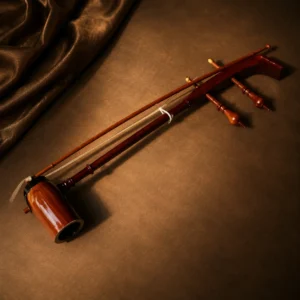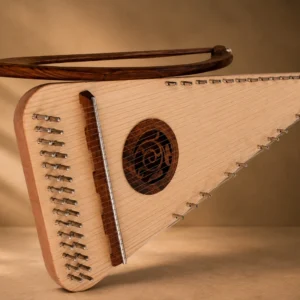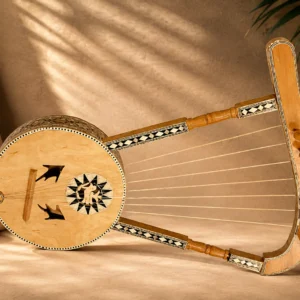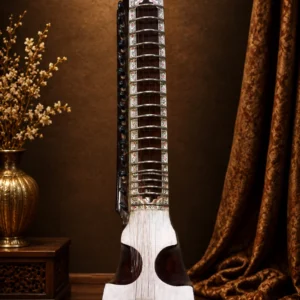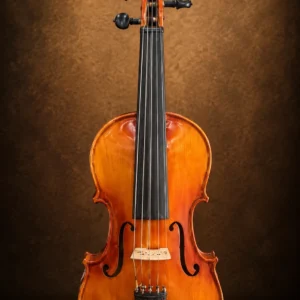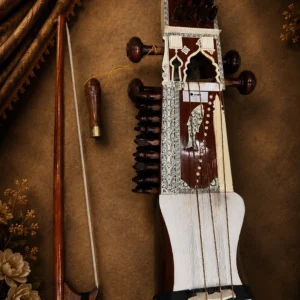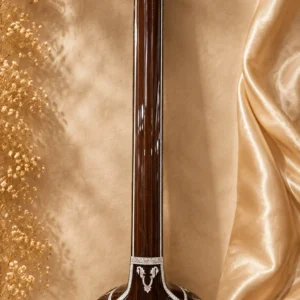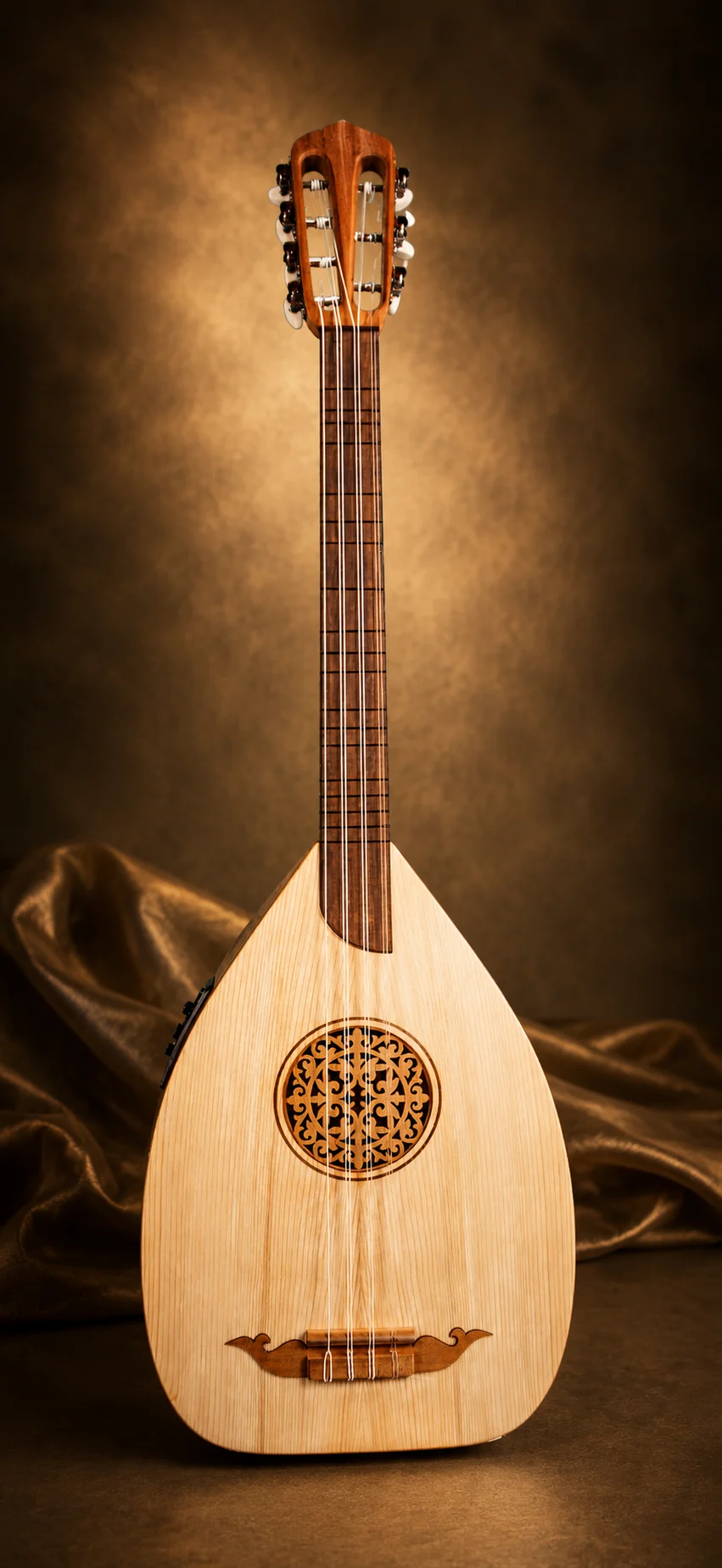
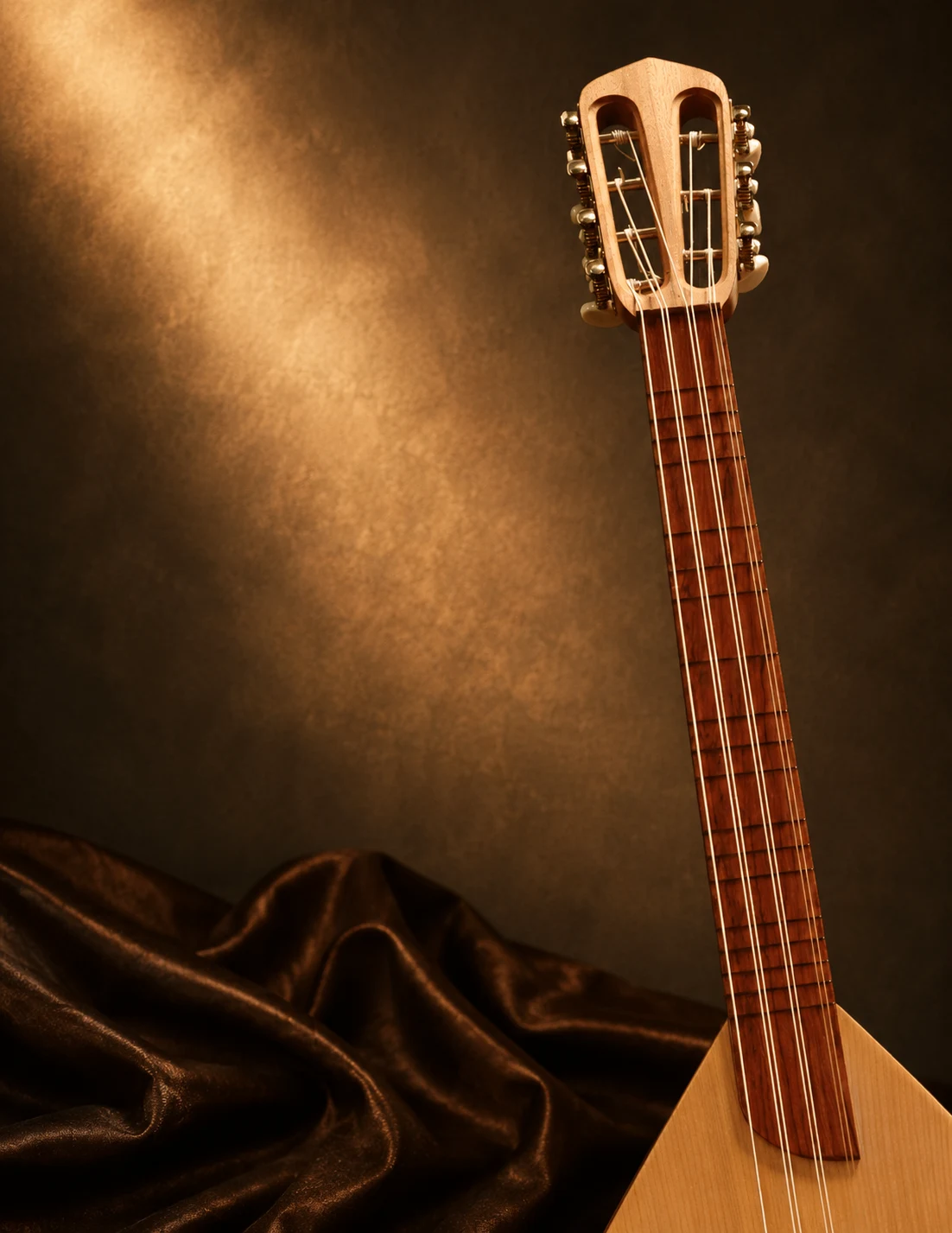
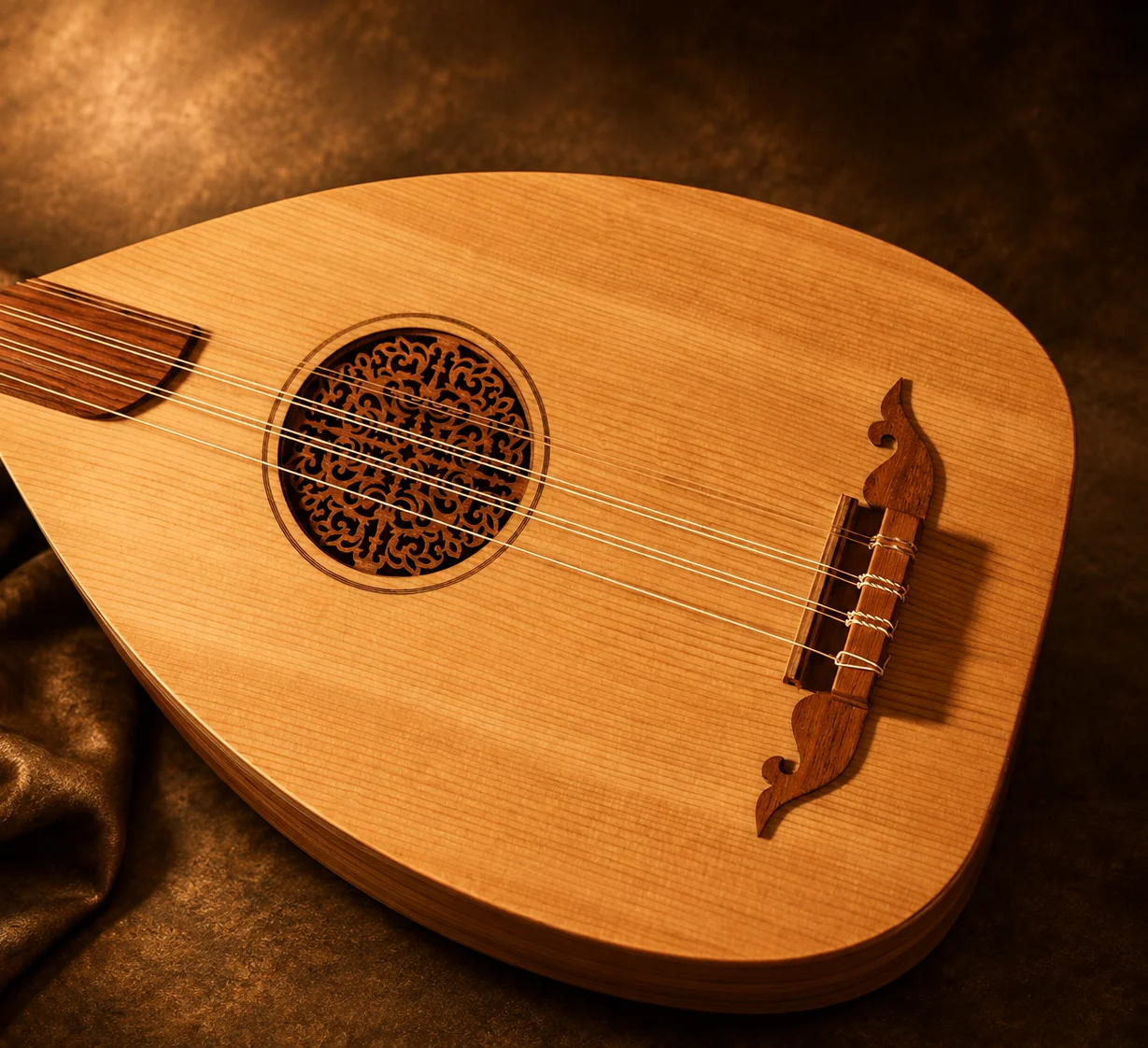
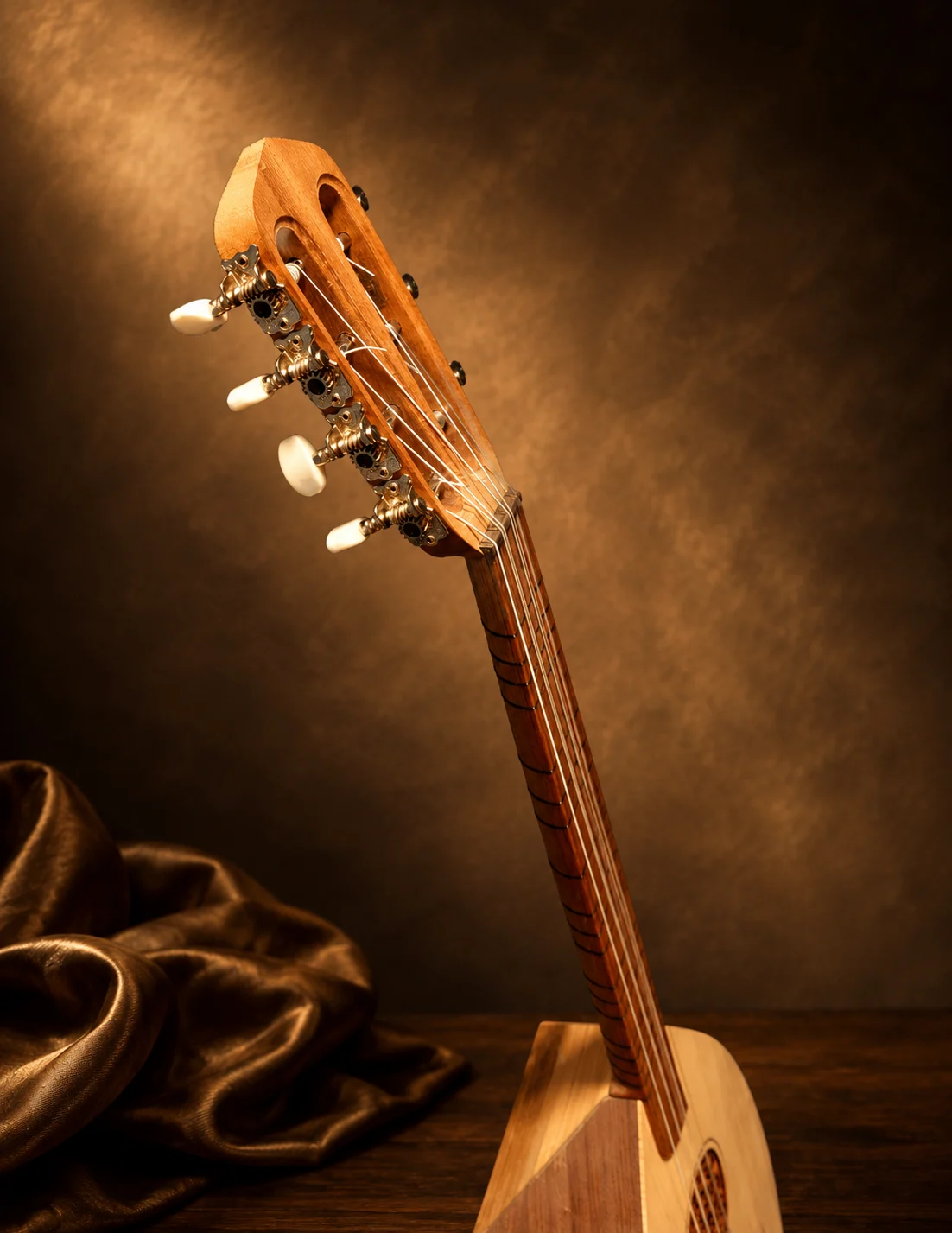
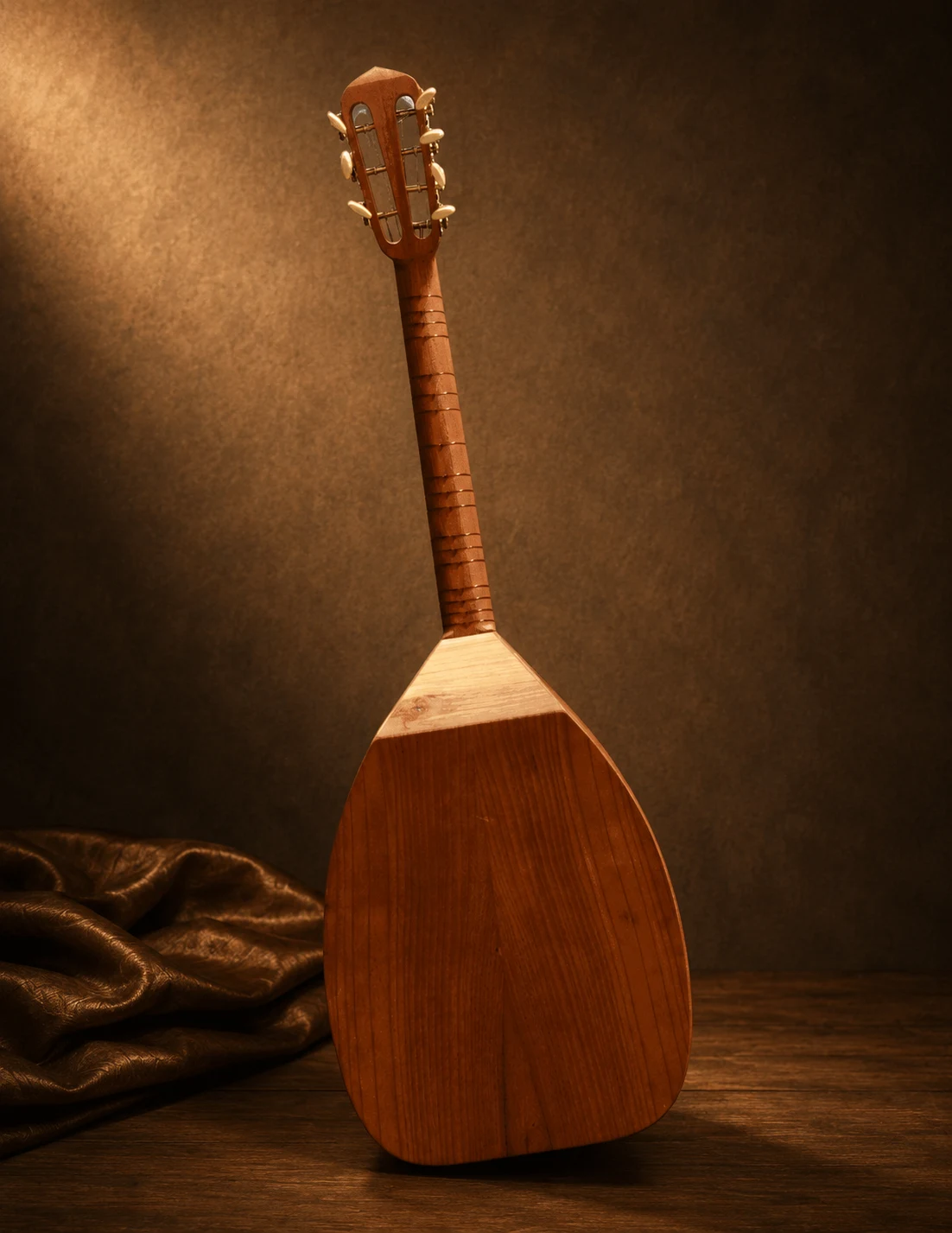
Lute Features:
Good sound quality, classically tuned and small size. Shipping Free within India.
Delivery Time: 30-35 Working Days after Successful Payment.
Warranty: 1 Year Manufacturing Warranty
In The Box: Lute, Bag
For More information SMS 3700 Name Email Country and Send to +919830066661
N.B: All prices are inclusive of Shipping, Packing, Tax and Insurance (within India). No hidden costs.
International Customers (shipping globally): Please switch the currency to US$, as the product will be Upgraded for International Customers. International Freight and International Insurance will be added extra.
Please read our Terms & Conditions, Privacy Policy and Shipping Policy.
History (Wikipedia):
From where we get Lute- Small history below:
Our knowledge about the instrument is from Wikipedia. As per Wikipedia, we shared this small history to let our customers know about the history. A lute (/ljuːt/[1] or /luːt/) players use any plucked string instrument with a neck and a deep round back enclosing a hollow cavity, usually with a sound hole or opening in the body. Musicians may either fret or not fret it.
More specifically, the term “lute” commonly refers to an instrument from the family of European lutes. Furthermore, this family influenced Indian short-necked lutes in Gandhara, and subsequently, these became the predecessors of the Islamic, Sino-Japanese, and European lute families. In addition, the term also generally refers to any necked string instrument that has the strings running in a plane parallel to the sound table (in the Hornbostel–Sachs system).
The player attaches the strings to pegs or posts at the end of the neck. Which have some type of turning mechanism to enable them to tighten the tension on the string or loosen the tension before playing (which respectively raise or lower the pitch of a string). Consequently, they tune each string to a specific pitch (or note). Furthermore, the player plucks or strums the lute with one hand while, on the other hand, “frets” (presses down) the strings on the neck’s fingerboard. By pressing the strings on different places of the fingerboard, the player can, in turn, shorten or lengthen the part of the string that is vibrating; thus, they produce higher or lower pitches (notes). This provides a basic history of the instrument.