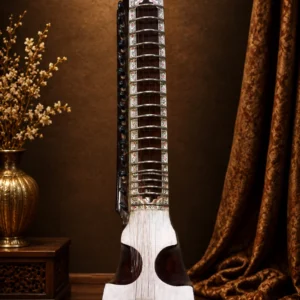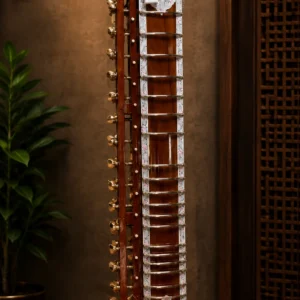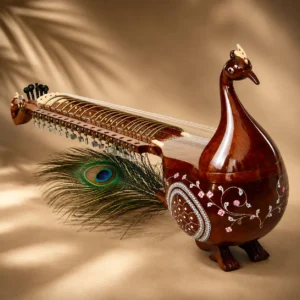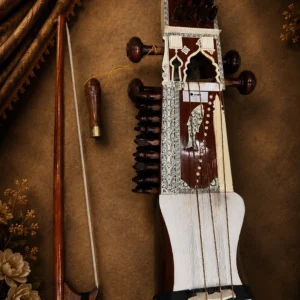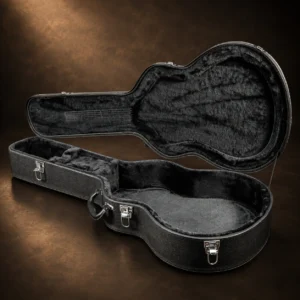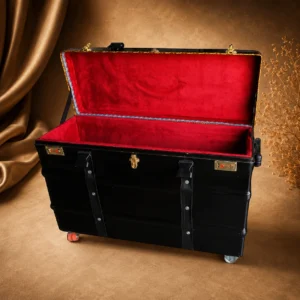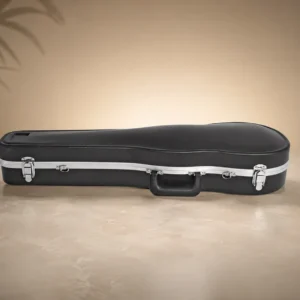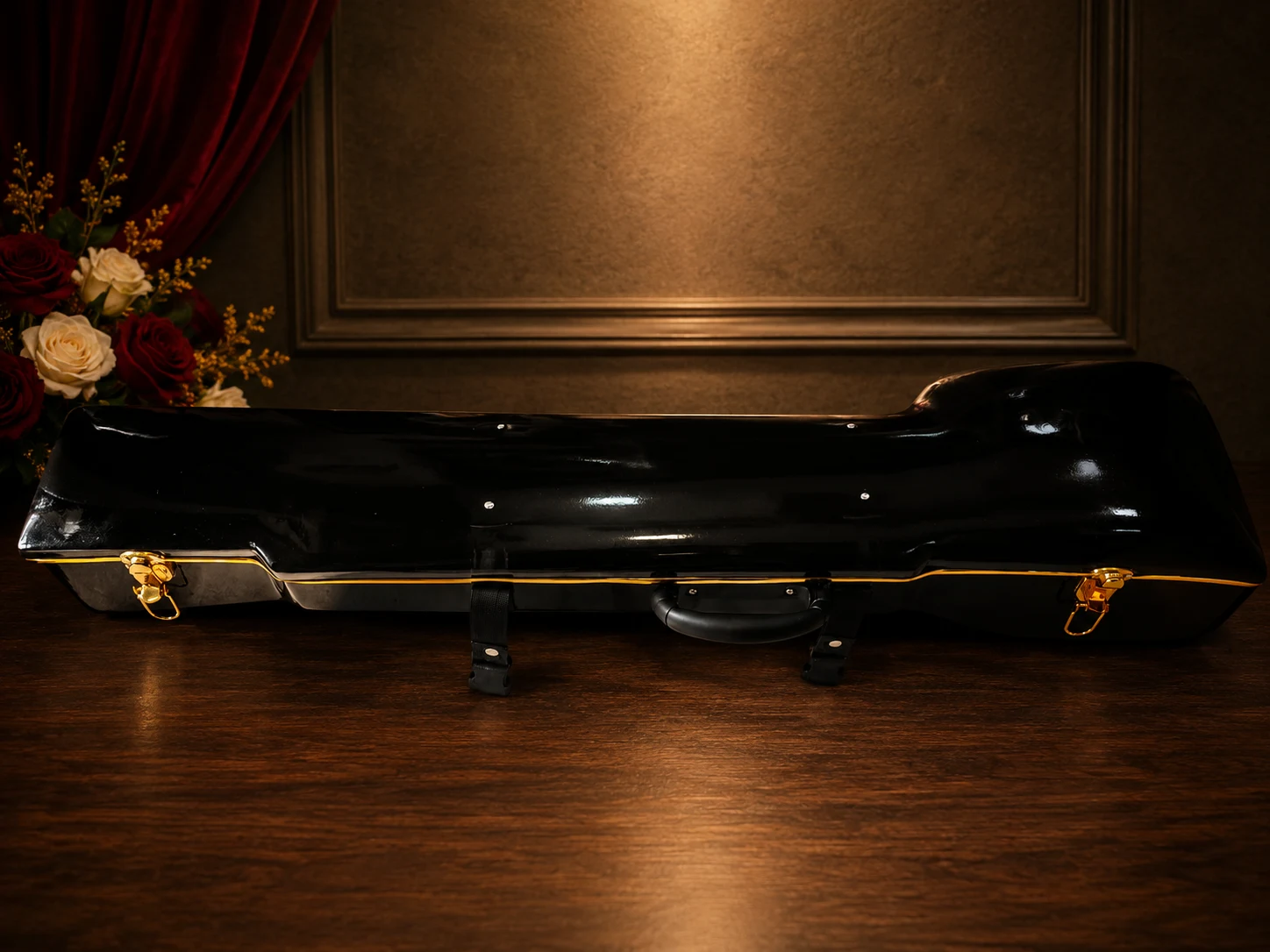
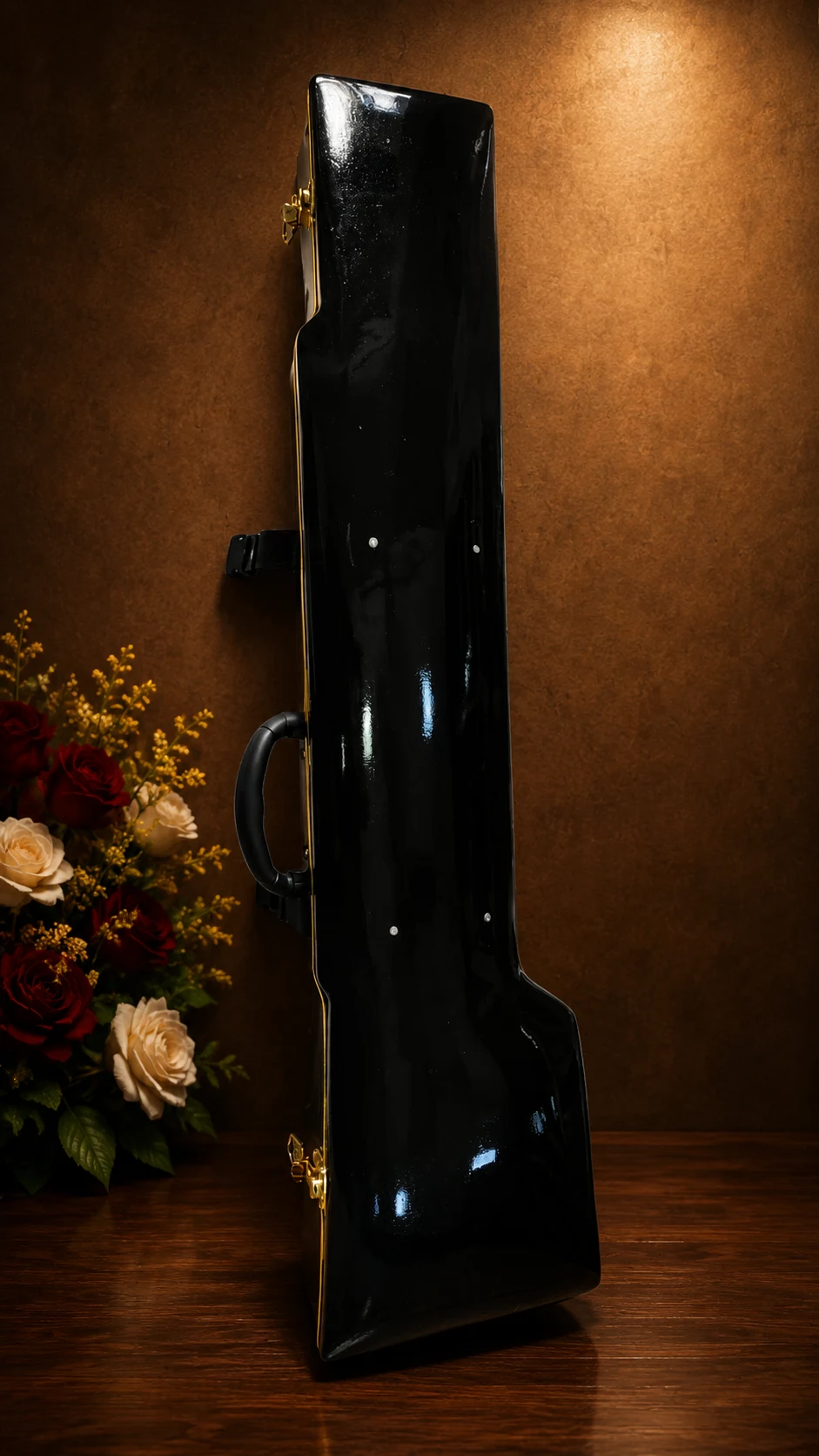
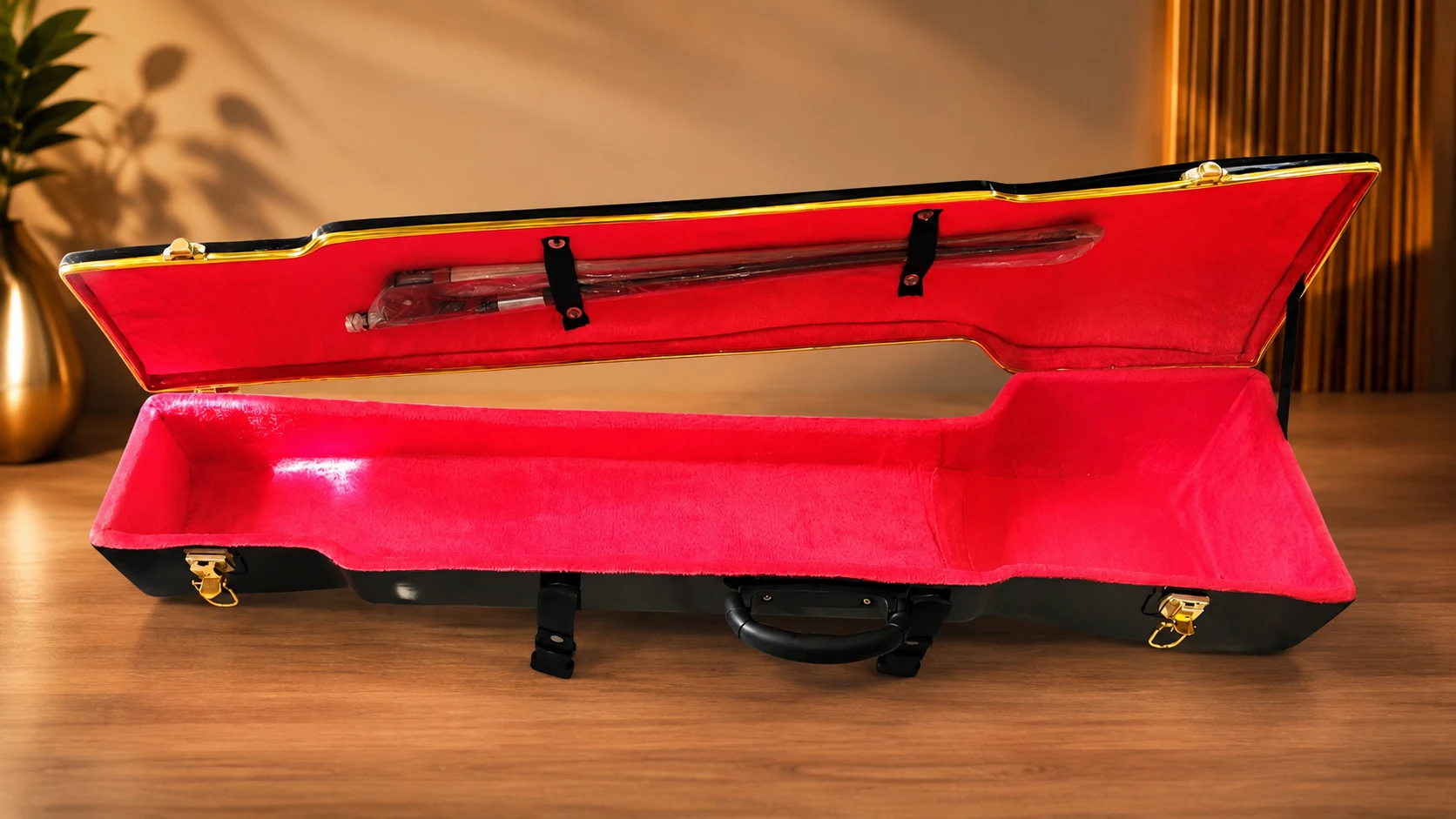
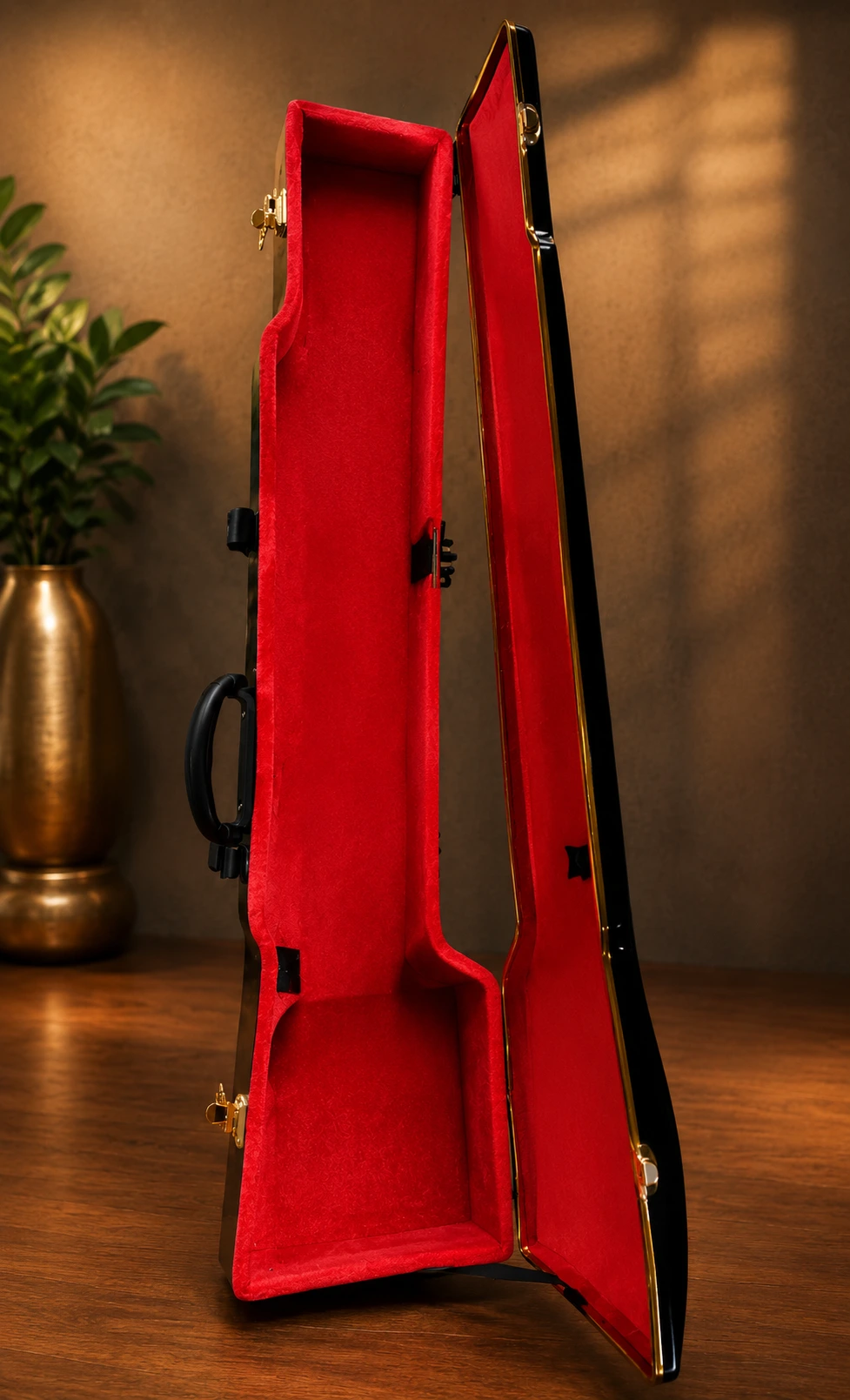
Dilruba Case Features:
Professional Quality & Easy to Carry. Shipping Free within India.
Delivery Time: 12-15 Working Days after Successful Payment.
Warranty: 1 Year Manufacturing Warranty
In The Box: Dilruba Case
For More information SMS 8200 Name Email Country and Send to +919830066661
N.B: All prices are inclusive of Shipping, Packing, Tax and Insurance (within India). No hidden costs.
International Customers (shipping globally): Please switch the currency to US$, as the product will be Upgraded for International Customers. International Freight and International Insurance will be added extra.
Please read our Terms & Conditions, Privacy Policy and Shipping Policy.
History (Wikipedia):
From where we get Dilruba- Small history below:
Our knowledge about the instrument is from Wikipedia. As per Wikipedia, we shared this small history to let our customers know about the history. Guru Gobind Singh, the 10th Sikh Guru, invented the dilruba around 300 years ago. Indeed, he based it on the much older and much heavier taus. Consequently, his innovations made it more convenient for the Sikh army (the khalsa) to carry the instrument on horseback.
Musicians in India originated the dilruba (also spelled dilrupa), a bowed musical instrument. Specifically, it is a type of bowed sitar that’s slightly larger than an esraj and has a larger, square resonance box like a sarangi. Moreover, the Sikh community holds the dilruba in particular importance in their history. Additionally, Western artists, such as the Beatles during their psychedelic phase (most notably in the song “Within You Without You”), helped it become more widely known outside India in the 1960s through their songs. Furthermore, some traditional kirtan bearers, such as Bhai Avtar Singh Raagi, have clarified that Maharaja Bhupinder Singh patronized Mahant Gajja Singh in the creation of the dilruba.
However, after the British Raj introduced the harmonium to the Indian Subcontinent, musicians stopped using the dilruba due to its comparatively steeper learning curve. Nevertheless, in more recent times, it has had a resurgence, as ragis have accompanied it in the Harmandir Sahib (Golden Temple) since 2006. Moreover, music educators have taught it more commonly within India and around the world. This provides a basic history of the instrument.