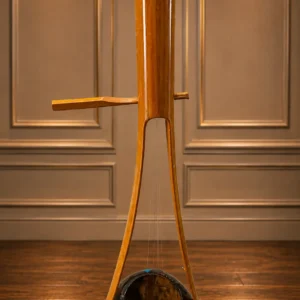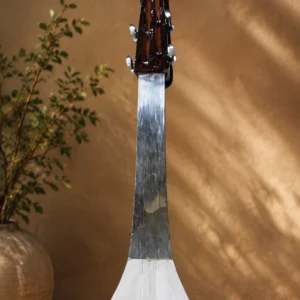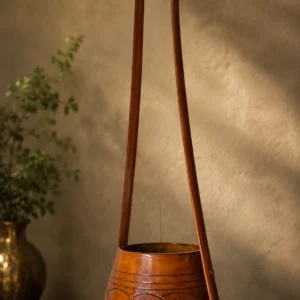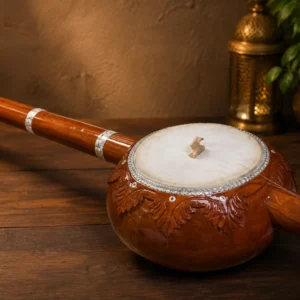
Special Dotara/ Chartara Features:
Best sound quality, classically tuned. Shipping Free within India.
Delivery Time: 12-15 Working Days after Successful Payment.
Warranty: 1 Year Manufacturing Warranty
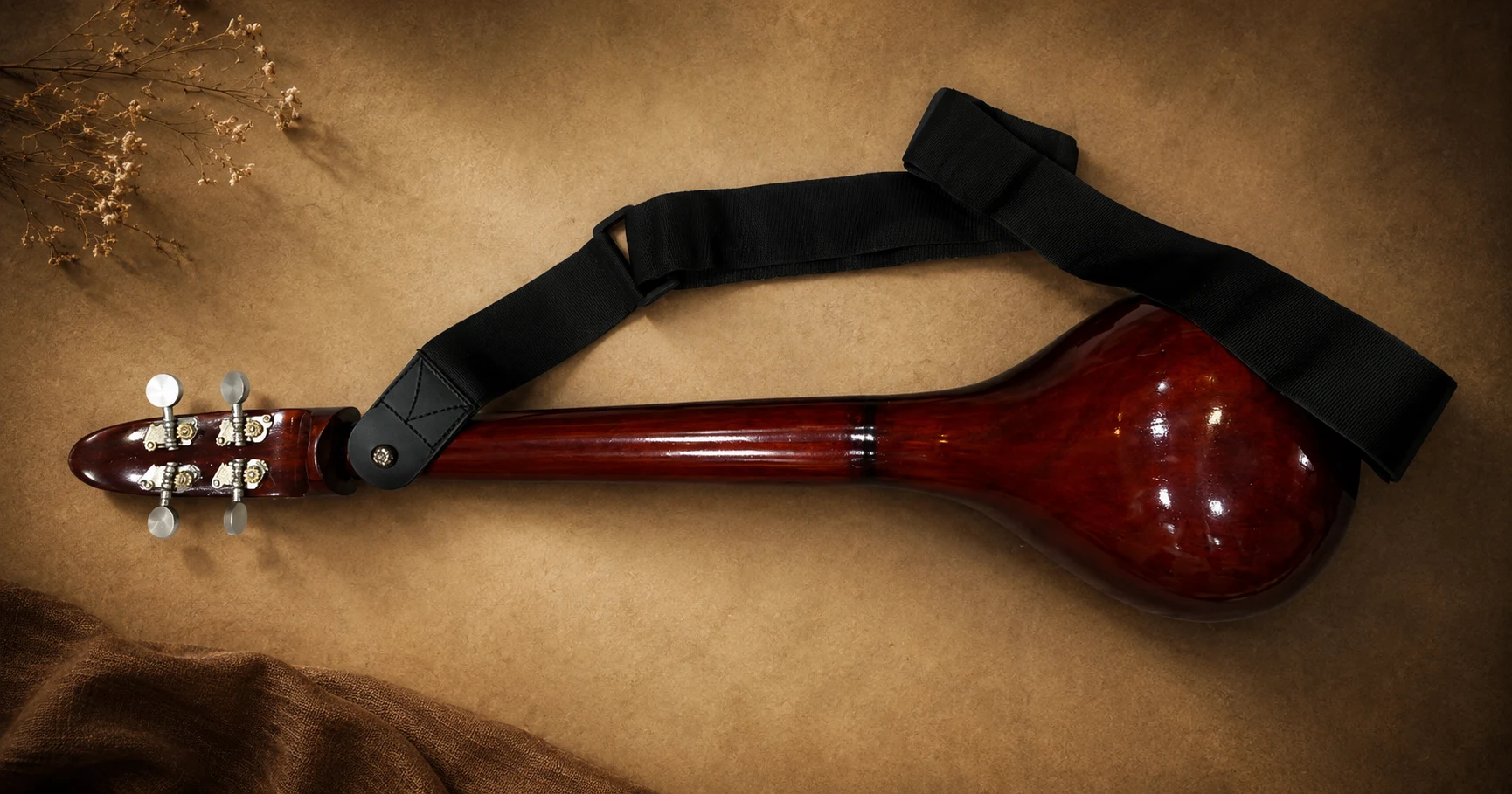
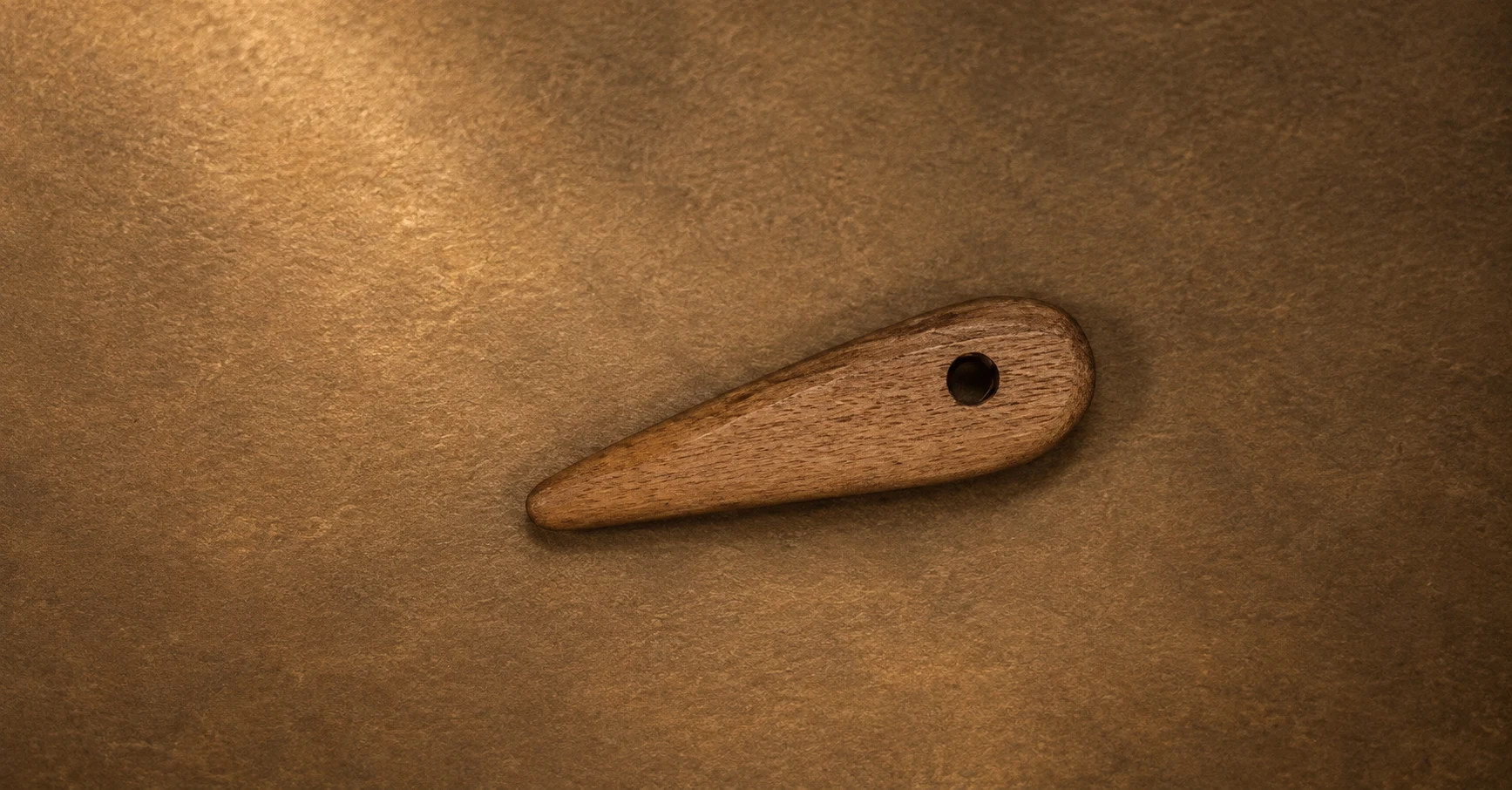
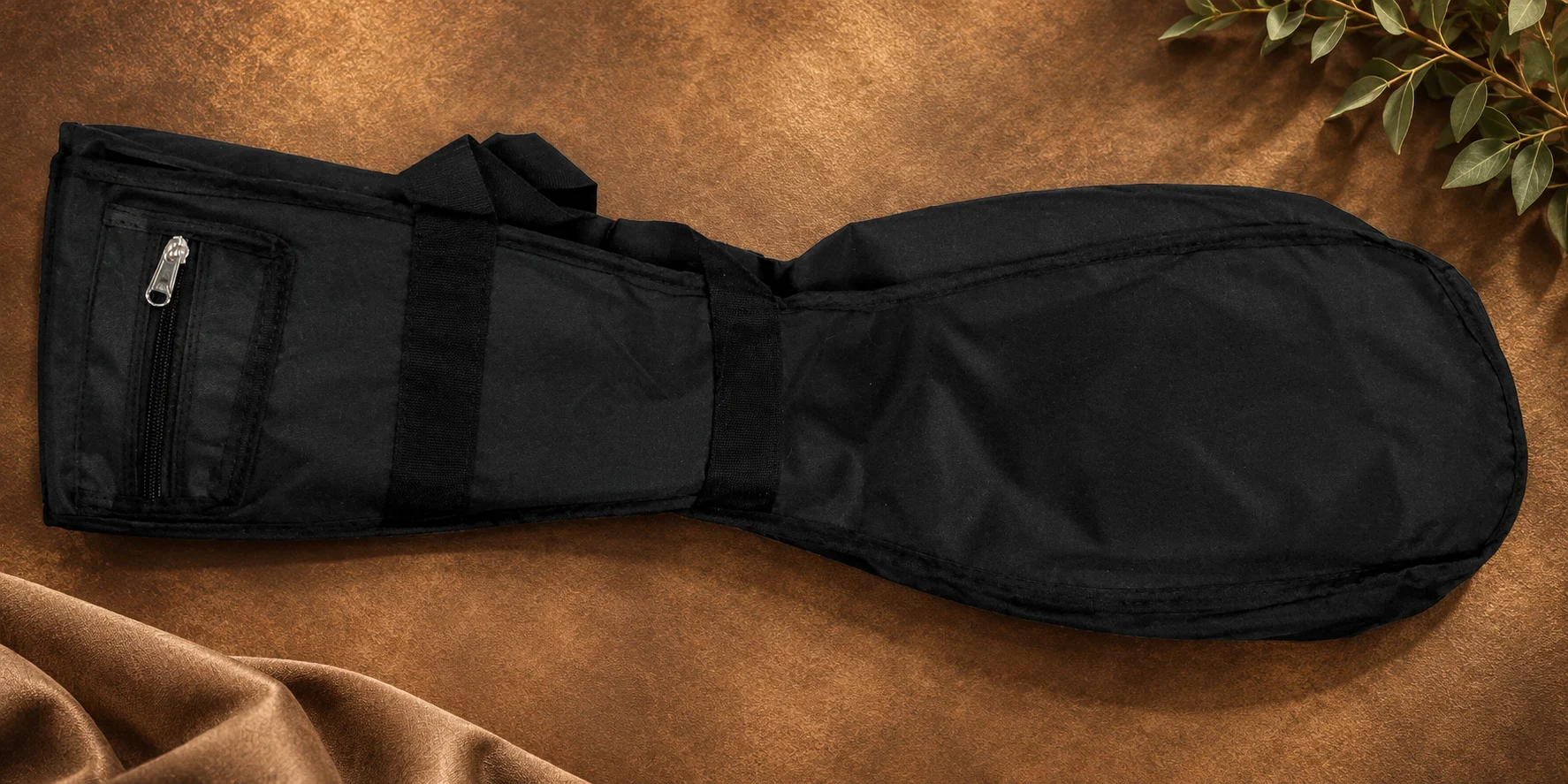
In The Box: Special Dotara/ Chartara, Stroker, Strap, Bag
For More information SMS 2600S Name Email Country and Send to +919830066661
N.B: All prices are inclusive of Shipping, Packing, Tax and Insurance (within India). No hidden costs.
International Customers (shipping globally): Please switch the currency to US$, as the product will be Upgraded for International Customers. International Freight and International Insurance will be added extra.
Please read our Terms & Conditions, Privacy Policy and Shipping Policy.
History (Wikipedia):
From where we get Special Dotara/ Chartara- Small history below:
Our knowledge about the Special Dotara/ Chartara is from Wikipedia. As per Wikipedia, we shared this small history to let our customers know about the Special Dotara/ Chartara history. Madhava Kandali, a 14th-century Assamese poet and the author of the Saptakanda Ramayana, prominently features several instruments in his rendition of the “Ramayana.” Specifically, he highlights instruments such as the Dotara, mardala, tabal, and jhajhar, among others.
The dotara features four strings, tuned from top to bottom as follows: Soh (lower), Do, Do, and Fah. **Specifically**, in Indian notation, this tuning corresponds to Pa, Sa, Sa, and Ma, where Do/Sa serves as the tonic or root note of the song.
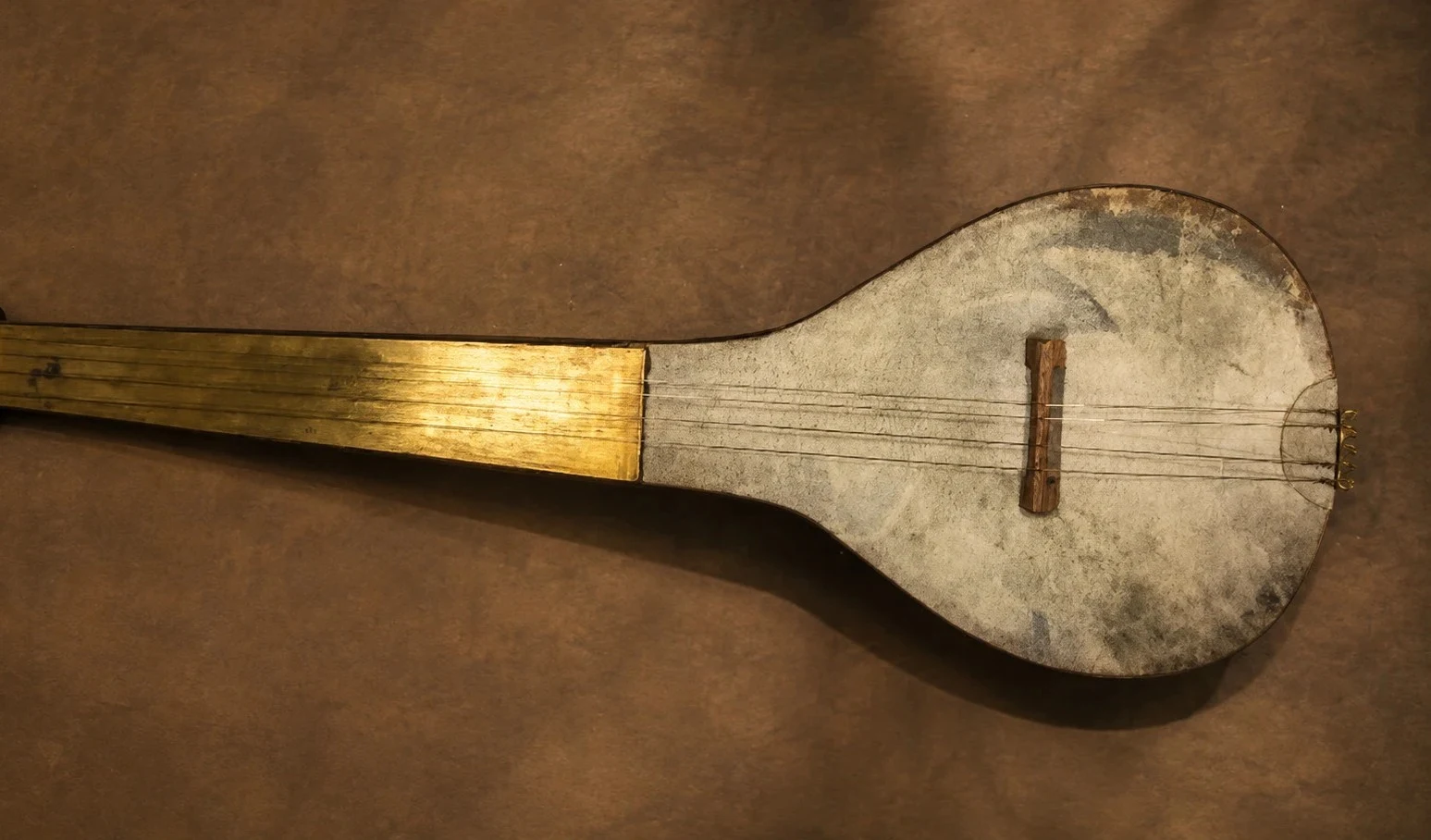
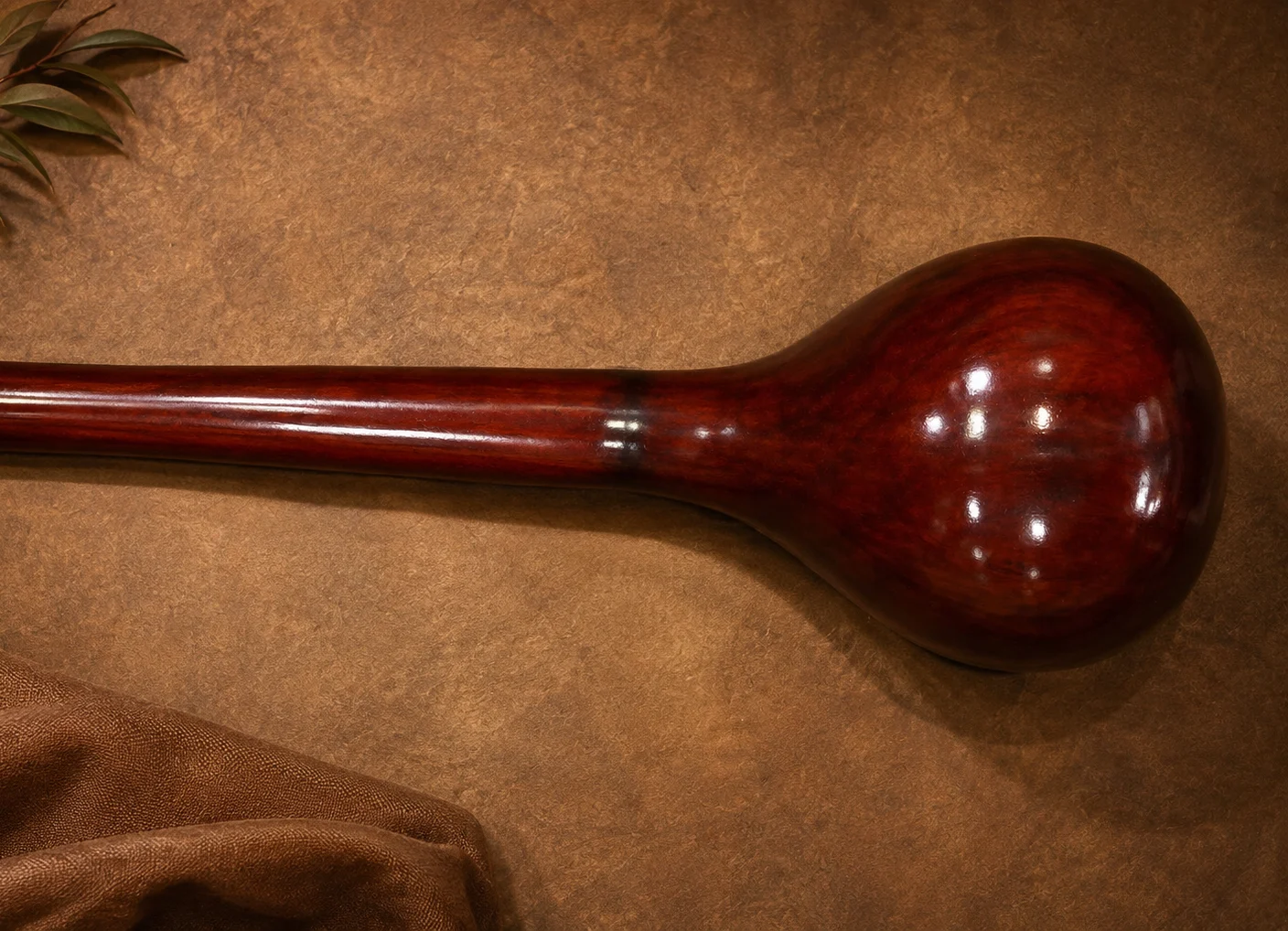
The dotara, a plucked stringed instrument, produces sound through an open note combination. Moreover, musicians often play it alongside folk percussion instruments like the Dhol, Khhol, or Mandira. Furthermore, craftsmen typically use neem or other hardwood to make the dotara, which features an elongated, roundish belly that serves as its soundbox; consequently, the instrument tapers toward a narrow neck. In addition, this neck ends in a peg box, which often showcases elaborate carvings in the shape of peacock heads, swan heads, or other animal motifs. Moreover, the fingerboard remains fretless, and the makers construct it from brass or steel, similar to a sarod. Additionally, the makers cover the instrument’s soundbox with tightly stretched kidskin or lizard skin, similar to the soundbox of a rabaab or a sarod. Finally, all these features provide a basic history of the Dotara/Chartara.